
Pane cunzato — in Sicilian «pani cunzatu», meaning «dressed» or «seasoned» bread — is a dish of warm rustic bread split open and dressed while still warm. The bread is traditionally a round semolina (durum-wheat) loaf with a thick crust and a sesame-strewn top; it is cut in half, soaked generously with extra virgin olive oil and salt, and topped with sliced or chopped fresh tomato, anchovy fillets, a young fresh cheese (primo sale) and dried oregano, with pepper to taste. A dish of Sicilian cucina povera, it was historically eaten warm straight from the bakery and is a well-known specialty of western Sicily and of the Aeolian Islands. It is served as a snack or a light meal, cut into pieces and eaten by hand.
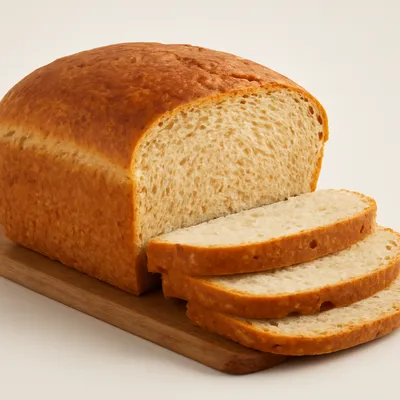


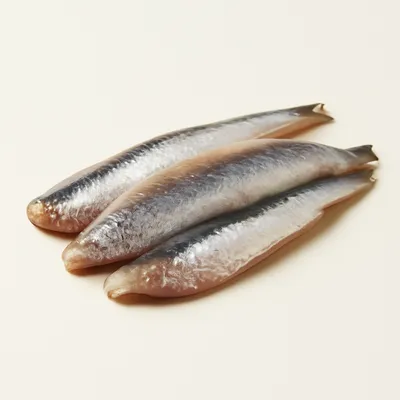

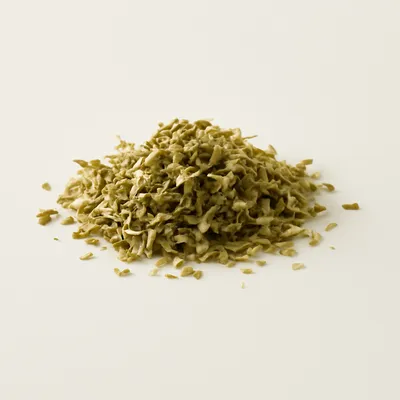
Pane cunzato comes from the cucina povera of western Sicily, with its documented home in the province of Trapani, from where it spread to the Egadi Islands, the towns of Erice, San Vito Lo Capo and Scopello, and along the coast toward Palermo. The name is Sicilian dialect: «cunzatu» means «condito», that is dressed or seasoned, so the dish is literally «seasoned bread». No inventor or date is recorded; it arose as a practical meal made from whatever was on hand, and was once also called «pane della disgrazia» (bread of misfortune), the cheapest possible meal when there was no money for anything more elaborate. The bread was eaten warm from the oven by farmers, shepherds and bakers, and a humble loaf «dressed» with oil, tomato and a little cheese or anchovy became a meal in itself. On the Aeolian island of Salina it is a particularly well-known specialty, made there with the local capers and cherry tomatoes.
It is eaten warm, and the first thing you notice is the bread soaking up the olive oil — the cut crumb turns soft and rich, the crust stays chewy, and oil runs down your hand. Then comes the salt-punch of the anchovy, sharp and deeply savory, set against the cool acidity and juice of the fresh tomato. The young primo sale is mild, milky and faintly salty, a soft cushion between the bold flavors, and dried oregano carries a dry, resinous aroma over everything. Done well it is generous and balanced — oil-rich but lifted by tomato and oregano; done badly the bread is dry and under-oiled, or the anchovy and salt overwhelm everything else.
The dish works on warmth and absorption. Warm bread has an open, slightly steamy crumb whose starch readily drinks up extra virgin olive oil, so soaking the cut halves while warm carries oil and salt deep into the bread rather than leaving them on the surface; this is why every traditional recipe insists the bread be «well soaked» with oil and salt first. The savory backbone is salt and glutamate: cured anchovy is rich in free glutamates and the amino acids of long curing, which read as intense umami and season the bread the way salt-cured fish has long seasoned Mediterranean cooking. Against that, the raw tomato adds acidity, water and its own glutamate, while the fresh primo sale — a young, barely aged sheep's- or mixed-milk cheese — stays mild and moist, buffering the salt. The oregano is added dried because drying concentrates its aromatic oils such as carvacrol and thymol. Everything is assembled while the bread is warm, both for the absorption and because gentle warmth lifts the aromas of the oil, tomato and oregano.
Variations
The components vary by town and household. The version of Scopello, in the Castellammare del Golfo area, is the well-known template: anchovies in oil and fresh primo sale. Caciocavallo or provolone is a common substitute for the primo sale, and capers and sliced black olives are frequent additions. The Aeolian (pane cunzato eoliano) version, especially from Salina, uses the local capers and cherry tomatoes in place of ordinary tomato, sometimes with olives or salted ricotta. A vegetarian version simply omits the anchovy. Around Trapani and Erice the loaf is the classic sesame-topped durum-wheat bread, while elsewhere any good rustic loaf is used.
On the Palate
Where Pane Cunzato sits in the Italian flavor cloud
Ingredients
Serves 2
How it's made
6 steps · 15 min
- 14 min
Warm a round semolina loaf (ideally one with a sesame crust) so the crumb is soft and warm, then cut it in half horizontally.
Watch outWarm the loaf so the crumb is soft and open before you cut it — a warm crumb drinks up the oil deep, a cold one just holds it on the surface.
- 23 min
Pour extra virgin olive oil and a little salt onto a plate, and press both cut halves into it so the bread soaks up the oil well.
Watch outPress both cut faces into the oil and salt until the bread soaks it up well — this is the step every traditional cook insists on, and skimping leaves it dry.
- 33 min
Lay sliced or chopped fresh tomato over the soaked bread, seasoning it with a pinch of salt.
- 42 min
Arrange anchovy fillets and slices of fresh primo sale (or caciocavallo) over the tomato.
- 51 min
Scatter over dried oregano, a final drizzle of olive oil and pepper to taste.
- 62 min
Close the loaf or leave it open-faced, then cut into pieces and serve while still warm.
Archive tool suggestions — not reviewed
These legacy suggestions have not been evidence-reviewed and are not presented as required tools.


