The emblematic Abruzzese wafer-biscuit: a thin batter of flour, eggs, sugar and oil pressed and cooked between the two hot engraved plates of a hinged iron, which stamp a trademark lattice of diamonds into each disc. Called ferratelle in inland Abruzzo, pizzelle around Chieti and neole or nevole in the Teramano, they are baked thin and brittle or thick and soft depending on the iron, dusted with sugar and sometimes sandwiched with grape jam. Descended from the Roman crustulum and listed as an Abruzzo PAT.




The ferratella traces back to the Roman crustulum, a small engraved wafer of the classical world. Its diamond-and-grille pattern — trama a rombi or cancello — gives the biscuit its name, from the iron 'gate' pressed into it. The engraved iron was long part of a bride's dowry, forged with her initials or family crest, and the biscuit was made above all in winter, at Easter and for patron-saint feasts; folk custom timed its baking by reciting an Ave Maria against one plate and a Pater Noster against the other. The names shift across the region — ferratelle inland, pizzelle and catarrette around Chieti, neole and nevole in the Teramano, cancelle in neighbouring Molise — and it is listed as a traditional product of Abruzzo, Molise and Lazio.
A thin ferratella snaps cleanly and dissolves into fine, sweet crumbs, its embossed lattice crisp at the edges; a thicker one bends and yields, soft and cake-like in the centre under a lightly caramelised, faintly aniseed-scented crust.
Poured onto plates heated to around 180–200°C, the batter cooks from both sides at once. Its water flashes to steam and spreads the batter thin against the engraved surface, while egg proteins coagulate and flour starch gelatinises to set the shape; the raised iron pattern conducts heat directly into the batter and embosses the lattice. Sugars at the surface caramelise and, with the eggs, brown by the Maillard reaction to give the gold colour and the pattern's contrast. A thin batter dries almost completely and sets into a glassy, brittle wafer, while a wetter batter or one with baking powder traps carbon-dioxide gas and steam and stays thick and soft.
Variations
Batters are flavoured with lemon zest, vanilla or, most traditionally in Abruzzo, aniseed or a dash of anise liqueur, and some cooks use white wine in place of part of the liquid. Two thin ferratelle may be sandwiched around grape-must jam to make ragnata, or spread with pastry cream or chocolate. Around Christmas they are stacked as gifts, and savoury versions with pepper and cheese are made for the antipasto table.
On the Palate
Where Ferratelle sits in the Italian flavor cloud
Ingredients
Serves 8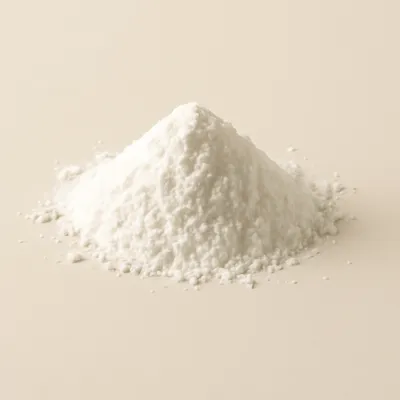

How it's made
7 steps · 20 min
- 15 min
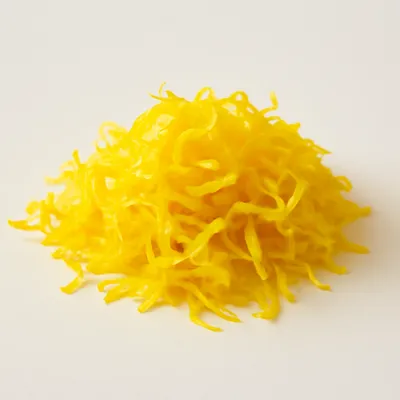
Whisk the eggs with the sugar until pale, then whisk in the olive oil, lemon zest and a little aniseed until smooth.
- 215 min
Sift in the flour with a pinch of salt, adding the baking powder too if a soft biscuit is wanted, and beat to a smooth, thick, pourable batter; let it rest for 15 minutes.
Watch outBeat to a smooth, thick batter that just pours — too thin and the wafer won't emboss the lattice; too thick and it won't spread to the edges.
- 33 min
Heat the ferratella iron over a medium flame, or plug in an electric model, greasing the plates lightly the first time only.
- 42 min
Drop a walnut-sized spoon of batter onto the centre of the hot lower plate, close the iron and press the handles firmly together.
- 515 min
Cook for 30–60 seconds per biscuit, turning a stovetop iron once, until the ferratella is set and pale gold and the lattice is clearly embossed.
Watch outOpen the iron when the ferratella is set and pale gold with a crisp lattice — a peek too early and the soft wafer tears apart.
- 62 min
Open the iron, lift the wafer out with a wooden pick and trim any batter that has escaped the edges while it is still warm.
- 78 min
Cool the ferratelle flat on a rack until crisp, then dust with sugar; sandwich cooled pairs with grape jam if you like.
Archive tool suggestions — not reviewed
These legacy suggestions have not been evidence-reviewed and are not presented as required tools.


