
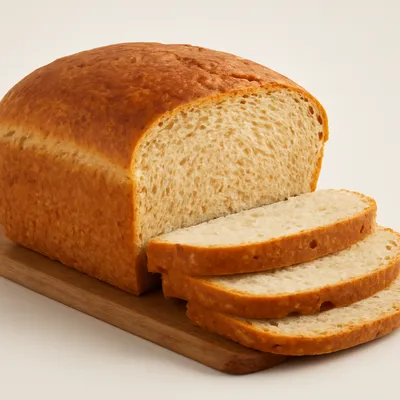


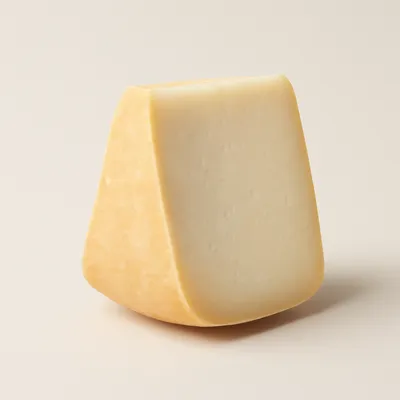


Pallotte cacio e uova ('balls of cheese and eggs') are the iconic cucina povera dish of Abruzzo's inland mountain villages where meat was scarce but bread, eggs, and pecorino were always present. The dish uses stale bread (never wasted) softened in milk, bound with eggs and grated aged pecorino, formed into walnut-sized balls, fried, and finished in tomato sauce. The dish was traditionally a Friday meal (meatless) but also weekday lunch when families had no money for meat. It tastes like meatballs — the pecorino contributes the umami and chew that meat would otherwise supply. Every Abruzzese grandmother has her own version, and the debate over how much pecorino vs. how stale the bread should be is endless.
Cut a pallotta in half on the plate — the inside is creamy-cheesy, fluffy from bread and egg, deeply umami from aged pecorino. The outside is golden-crispy where the fry-crust survived the tomato bath, soft where the sauce penetrated. The dish fools the palate — you taste meatball richness without meat. The sauce is light, almost a marinara, so the pallotte are the star. Pull a piece of bread through the leftover sauce on the plate; this is required.
Aged pecorino has high glutamate content (the umami amino acid) — it tricks the palate into reading meatball richness without meat. The bread provides bulk and absorbs the egg-cheese binding, creating texture identical to ground meat. The double-cook (fry then simmer) is essential: frying creates the crust that prevents pallotte from disintegrating in the sauce; the subsequent simmer hydrates the interior and infuses tomato flavor. Skip the fry and the pallotte dissolve into porridge.
Variations
Inland L'Aquila version is meatless and Lenten-strict; coastal Chieti version sometimes adds a small amount of cured pork fat to the mixture; modern restaurants serve pallotte over polenta as a hearty winter main; a sicilian sister-dish polpette di pane uses raisins and pine nuts (different flavor entirely); my-grandmother variants all claim 'more pecorino, less bread' as the key.
On the Palate
Where Pallotte Cacio e Uova sits in the Italian flavor cloud
Ingredients
Serves 4


How it's made
5 steps · 40 min active + 20 min waiting
- 113 min
Soak 250g stale white bread (crusts removed, torn into chunks) in 200ml warm milk, 10 min. Squeeze out excess milk; transfer bread to a large bowl.
Watch outSqueeze the soaked bread until barely damp, not dripping — too much milk left in and the mixture won't hold a ball.
- 213 min
Add to bread: 4 eggs, 150g grated aged pecorino, 50g grated parmigiano, 3 minced garlic cloves, 1/4 cup chopped parsley, 1 tsp salt, generous black pepper. Mix with hands until uniform dough-like paste. Rest 10 min.
Watch outWork the paste until it's uniform and just holds together when squeezed — too wet, add a little more cheese; too dry and it won't bind into balls.
- 322 min
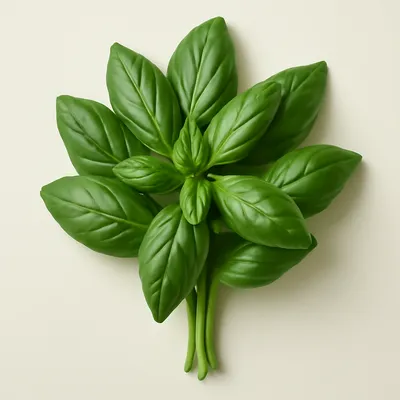
Make sauce in parallel: warm 3 tbsp olive oil + 1 minced garlic clove in a wide pan, 1 min. Add 600g passata + pinch of salt + 4 basil leaves. Simmer covered on low, 20 min.
- 416 min
Form pallotte: with damp hands, shape mixture into walnut-sized balls (about 30g each, 18-20 balls total). Heat 5cm vegetable oil in a deep pan to 170°C. Fry pallotte in batches of 6, turning gently, until deep golden, 4 min per batch. Drain on paper towels.
Watch outFry to a deep gold crust before they go in the sauce — that crust is what keeps them from dissolving into mush later; skip it and they fall apart in the pot.
- 512 min
Add fried pallotte to the simmering tomato sauce, gently turning to coat. Simmer 10 min so they soak up sauce. Serve 4-5 pallotte per person in shallow bowls with extra grated pecorino and crusty bread. The dish is the main, not a side.
Watch outSimmer just long enough to soak up sauce, turning gently — stir hard and the fried balls break open.
Archive tool suggestions — not reviewed
These legacy suggestions have not been evidence-reviewed and are not presented as required tools.


