A 'cooked-water' peasant soup of the Tuscia Viterbese: wild chicory, potatoes, onions and tomatoes simmered in plain water with olive oil, then ladled over thick stale bread in the bowl and finished with a poached egg. No soffritto, no stock — just gathered greens, fire and time.
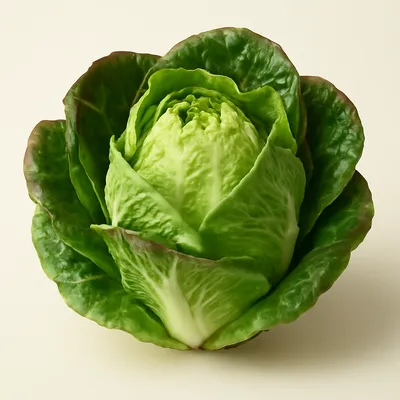
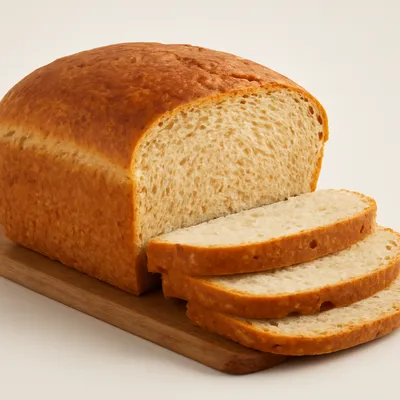




Acquacotta, literally 'cooked water,' was the outdoor meal of the Maremma butteri—mounted cattle herders who drove livestock across the Tuscia plains—and of charcoal-burners (carbonai) who wintered in the coastal forests straddling southern Tuscany and northern Lazio. Carrying nothing but stale bread, olive oil and salt in a leather catana satchel, they gathered wild cicoria, onions and seasonal herbs from the land and simmered them in water. The lead drover ritually poured oil in a cross before the meal. The dish earned the old nickname 'minestra di sassi' (stone soup), echoing a folk tale of a vagrant who convinces a village to contribute ingredients one by one to a pot of water. The UNESCO Mediterranean diet inscription cites dishes of this type as emblematic of its principles: seasonal vegetables, raw olive oil and bread as the carbohydrate base.
Earthy, pleasantly bitter wild greens against the sweetness of slow-cooked onion; raw olive oil poured at the end preserves its grassy, peppery character; dense bread at the bottom has absorbed the broth to a yielding softness; the poached egg adds clean, mild protein.
Simmering without a soffritto keeps the olive oil fully raw until the final pour, preserving heat-sensitive polyphenols and volatile aromatics. Stale bread at the bowl's base undergoes starch gelatinization as hot broth rehydrates hardened granules, transforming the crust into an absorbent, thickening base. Wild chicory contributes chicoric acid and bitter glycosides that leach into the broth during simmering, their intensity softening with prolonged heat. The poached egg coagulates between 62 and 65°C, adding protein without clouding the clean vegetable liquor.
Variations
Coastal Viterbo variant adds desalted salt cod and extra cicoria for brine-bitter contrast; Sovana version uses ricotta and spinach; some households finish with grated pecorino instead of an egg; Tuscan Maremma interpretation uses onion only with occasional dried mushroom broth; summer versions incorporate borage and dandelion greens.
On the Palate
Where Acquacotta della Tuscia sits in the Italian flavor cloud
Ingredients
Serves 4


How it's made
8 steps · 15 min
- 15 min
Wash and roughly tear the wild chicory; blanch briefly in boiling salted water for 3-4 minutes to temper bitterness; drain and set aside.
Watch outBlanch the wild chicory a few minutes first to temper its bitterness — raw it overwhelms the clean broth; a quick blanch softens the edge.
- 25 min
Place halved potatoes, sliced onions, whole garlic cloves, chili, fresh nepitella sprigs and roughly chopped tomatoes in a large pot with water and a generous pinch of salt; bring to a boil.
- 325 min
Reduce heat and simmer uncovered for 25 minutes until potatoes are fully tender.
- 410 min
Add the blanched chicory to the pot and simmer a further 10 minutes.
- 52 min
Arrange thick slices of stale bread in the base of each wide soup bowl.
- 65 min
Crack one egg per serving into the simmering soup; poach at the lowest possible heat until whites are just set, about 4-5 minutes.
Watch outPoach the eggs at the lowest heat until the whites just set — any bubbling breaks them up and clouds the clear vegetable broth.
- 72 min
Ladle the hot soup, vegetables and egg over the bread, ensuring the bread is completely saturated.
- 81 min
Drizzle each bowl generously with raw extra-virgin olive oil; garnish with a nepitella sprig and offer grated pecorino on the side.
Watch outPour the raw olive oil over only at the very end — kept off the heat, it keeps its peppery aromatics; cooked in, they'd cook away.
Archive tool suggestions — not reviewed
These legacy suggestions have not been evidence-reviewed and are not presented as required tools.



