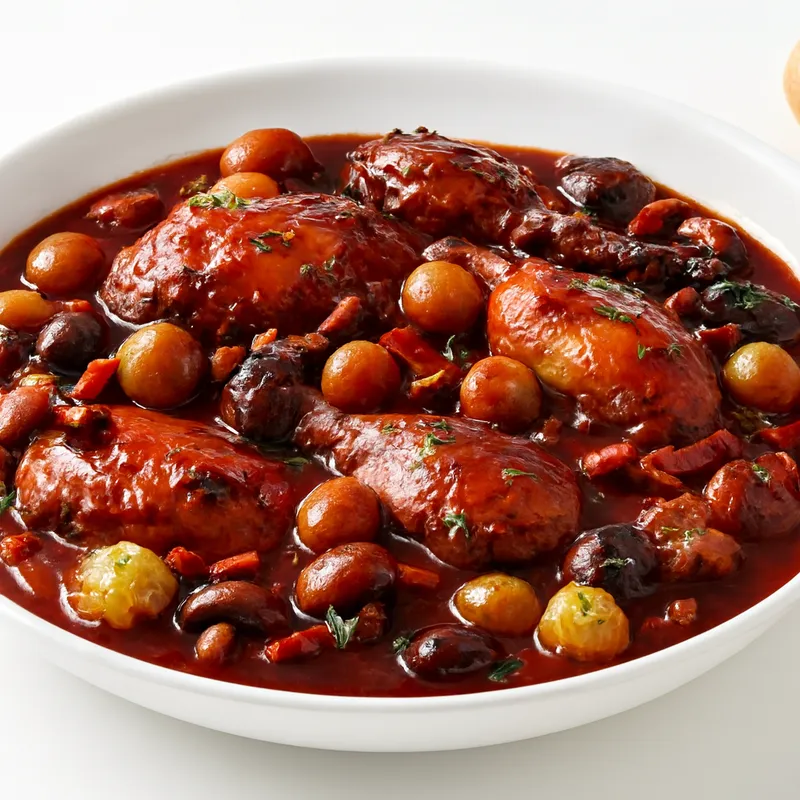
A Basque fisherman's one-pot stew of tuna and potato, cooked along the Iparralde coast on the French side of the Basque Country with onions, green and red peppers, and tomato, lifted by the dried red pepper of the region. The tuna goes in only at the very end so it stays just-cooked and tender. Hearty and bright, it is the boat cook's dish brought ashore — what the bonito crews ate at sea during the summer run.




Marmitako takes its name from the marmita, the deep pot it was cooked in aboard the bonito and tuna boats of the Bay of Biscay. The dish is shared across the whole Basque Country, and the version on the French side — in Saint-Jean-de-Luz and the Labourd coast — belongs to the same Iparralde tradition, distinct from the Spanish-Basque marmitako of Gipuzkoa and Bizkaia. It is summer food, tied to the seasonal run of Atlantic bonito and albacore, and historically thickened only with potato and pepper, not flour.
A loose, brothy stew stained orange-red by pepper and tomato; the potatoes are soft at the edges and the broth is thick where they have broken, the tuna in big flakes that are still moist. There is a gentle warmth from the dried red pepper but no real heat. Eaten from a bowl with bread, it tastes of the sea and the garden at once — clean fish against sweet stewed peppers.
The body of the stew comes from the potato, not from flour: the cook traditionally cracks the chunks apart with the knife rather than slicing them clean, splitting the cells so the released starch thickens the broth as they simmer. The tuna is added off the heat or in the last few minutes — tuna is lean and overcooks fast, going dry and chalky, so it is poached only until just opaque. The dried red pepper is rehydrated for colour and a fruity, smoky depth rather than chilli heat.
Variations
The Spanish-Basque marmitako of Gipuzkoa is the closely related sibling and uses the dried choricero pepper; the French side leans on the local Espelette pepper for its gentler perfume. Some cooks add a splash of white wine or a little tomato, others keep it austere; bonito (skipjack-family) and albacore are both used depending on the catch. The constant is potato cracked by hand and tuna added last.
On the Palate
Where Marmitako Basque sits in the French flavor cloud
Ingredients
Serves 4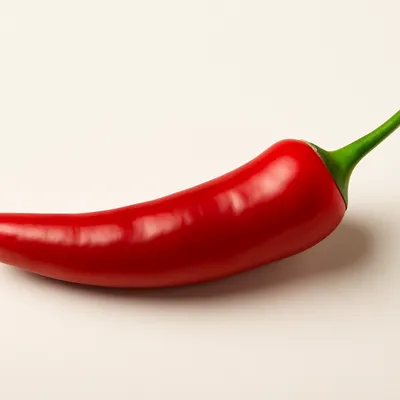

How it's made
5 steps · 25 min active + 25 min waiting
- 110 min
Soften dried red pepper in warm water and scrape out its flesh, or use a spoonful of mild pepper paste.
- 28 min
Sweat chopped onion and green and red peppers in olive oil until soft and sweet.
- 37 min
Add the pepper flesh and chopped tomato and cook down to a thick base.
- 420 min
Crack the potatoes apart with a knife into rough chunks, add to the pot with water or fish stock to cover, and simmer until tender and the broth has thickened.
Watch outCrack the potatoes apart with the knife rather than slicing clean — the split cells bleed starch that bodies the broth.
- 55 min
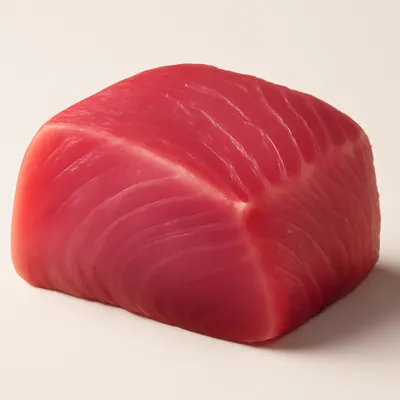
Off the heat, fold in cubes of tuna and let them poach in the residual heat for a few minutes until just opaque; season and rest briefly before serving.
Watch outFold the tuna in off the heat and poach it only to just-opaque — tuna is lean and goes dry and chalky in seconds.
Archive tool suggestions — not reviewed
These legacy suggestions have not been evidence-reviewed and are not presented as required tools.