A Bicolano dish of whole fish — usually tilapia — stuffed with tomato, onion, and ginger, then wrapped in pechay (Chinese cabbage) or taro leaves and simmered in coconut milk with chili. The leaf wrapping holds the fish together and keeps it moist as the gata reduces around it. Each parcel is served whole, the leaf and fish eaten together with the spiced coconut sauce. It is a coastal home dish of the Bicol provinces, especially Camarines Sur.






From the Bicol region of southeastern Luzon, part of its broad repertoire of coconut-milk cookery. The name derives from a Bicolano root meaning to wrap, reflecting the leaf-bundled construction it shares with pinangat. Tilapia is the usual fish today because it is widely farmed and the right size to wrap whole, though coastal cooks have long used whatever fresh fish was at hand. Sinanglay is a household and small-eatery dish rather than one tied to a single documented inventor.
A whole fish steaming inside a soft cabbage or taro-leaf wrapper, the cavity packed with stewed tomato, onion, and ginger that has melted into the flesh. Around it sits a pale, reduced coconut sauce with rings of chili. The leaf turns silky, the fish stays moist and lifts cleanly off the bone, and the tomato gives a faint tang against the rich gata. Heat from the chili comes up gently. Eaten over rice with plenty of sauce.
Wrapping the fish in leaves shields it from the direct heat of the simmering pot, so it poaches gently in trapped steam and stays whole instead of flaking apart in the sauce. The stuffing of tomato, onion, and ginger perfumes the flesh from inside as it cooks. The coconut milk is reduced without much stirring so its fat enriches the sauce and lightly bastes the parcels; taro leaves, if used, must cook thoroughly to break down their throat-itching oxalates.
Variations
Pechay-wrapped tilapia is the common version; taro leaves are used where they grow, adding their own earthiness. Some cooks wrap small whole fish or even shrimp instead. The stuffing may include a little ginger only, or be built up with more tomato and onion. Camarines Sur cooks run it spicier, and a finishing pour of thick coconut cream is common for a richer sauce.
On the Palate
Where Sinanglay sits in the Filipino flavor cloud
Ingredients
Serves 4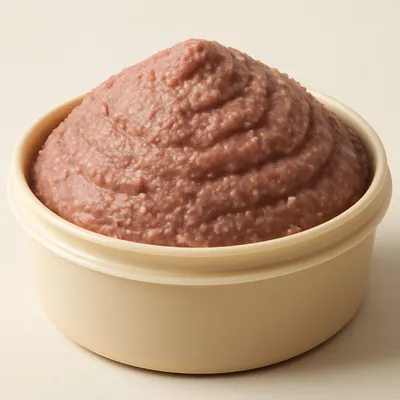
How it's made
8 steps · 30 min
- 110 min
Clean and scale the whole fish, leaving it intact, and season lightly with salt.
- 25 min
Stuff the cavity with chopped tomato, onion, and ginger.
- 310 min
Wrap each fish snugly in pechay or wilted taro leaves, securing with kitchen twine.
Watch outWrap each fish snugly in the leaves and tie firm — the leaves shield it from the direct simmer so it poaches whole in trapped steam instead of flaking apart into the sauce.
- 45 min
Lay the wrapped fish in a wide pot and pour in coconut milk to nearly cover.
- 515 min
Bring to a gentle simmer and cook, basting occasionally, until the fish is cooked through.
- 63 min
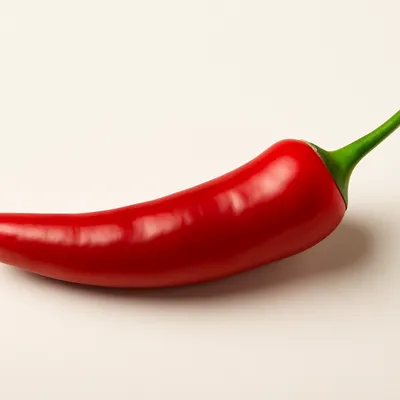
Season the sauce with shrimp paste or fish sauce and add whole chilies.
- 78 min
Continue simmering until the coconut milk reduces and renders a little oil.
Watch outReduce the coconut milk gently, barely stirring, until it thickens and just renders a little oil — that released oil bastes the parcels; over-stirring or a hard boil splits it.
- 83 min
Finish with thick coconut cream and serve each parcel with the sauce over rice.
Archive tool suggestions — not reviewed
These legacy suggestions have not been evidence-reviewed and are not presented as required tools.

