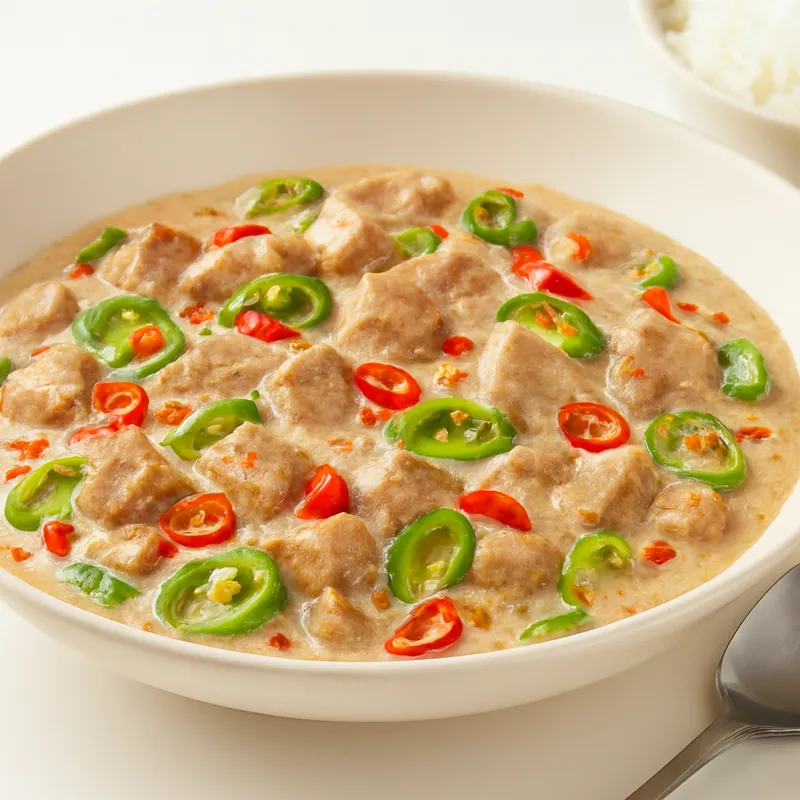
Kinuday is salted pork preserved by long hanging over the hearth, the drier, harder-cured end of the Cordillera smoked-meat family. Slabs of native pork are rubbed with rock salt and strung up in the so-olan, the rack above the daily cooking fire, where weeks to months of intermittent woodsmoke and dry highland air turn them firm and deeply aromatic. Where fresh kiniing is taken young and soft, kinuday hangs long enough to keep for months. It is shaved thin to flavor soups and vegetables, or grilled and eaten as is.





Kinuday is a Benguet word for hearth-smoked preserved pork, documented above all among the Ibaloy. Across the Cordillera the same salt-and-smoke method carries its own name in each homeland — etag in Mountain Province, kinuday or kiniing in Benguet, pininchang in Ifugao, tinapa in Kalinga, sinapan in Apayao. The technique long predates refrigeration: families hung pork above the kitchen fire so meat from a butchered or sacrificed animal would keep through the cool months, and the practice is tied to the cañao feasts at which animals are offered. A study in the Journal of Ethnic Foods documents the Ibaloy hearth-smoking method in detail.
Firmer and drier than fresh kiniing, with a concentrated salty-savory punch and a dense woodsmoke aroma earned over weeks above the fire. The lean turns deep red-brown and chewy; the fat goes translucent and amber. Too intense to eat in quantity on its own — a little dissolves into a broth and perfumes the whole pot.
Rock salt pulls moisture out of the meat osmotically, leaving too little free water for spoilage organisms. Smoke from the hearth lays down phenolic compounds that inhibit bacteria, slow fat from going rancid and build the aroma. Hung in the dry, cool highland air for weeks to months the slab keeps losing water and concentrating its protein and salt; the longer it hangs the harder and more shelf-stable it grows, which is what separates aged kinuday from young, soft kiniing.
Variations
Kinuday and the Benguet kiniing are near-synonyms for the same hearth-smoked pork, differing mainly in how long the slab is hung; a piece left up to a year turns hard as jerky. Cooks simmer thin slices into pinikpikan and highland vegetable pots, or grill thicker pieces; cattle and carabao are occasionally cured the same way.
On the Palate
Where Kinuday sits in the Filipino flavor cloud
Ingredients
Serves 8How it's made
8 steps · 40 min
- 115 min
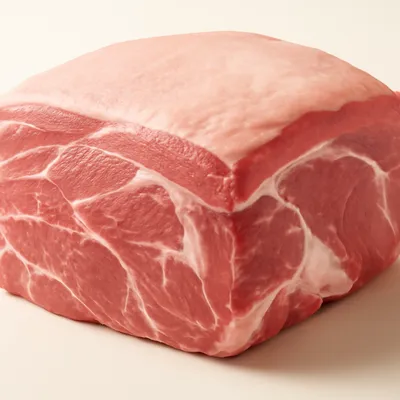
Cut native pork belly and shoulder into wide, thick slabs.
- 210 min
Rub every surface heavily with rock salt and let the meat cure in a cool place for a day or two.
Watch outRub every surface heavily with rock salt; the salt pulls moisture out osmotically and leaves too little free water for spoilage, so skimping here risks the whole slab.
- 310 min
String the salted slabs onto the so-olan, the rack above the wood cooking fire.
- 410 min
Let the daily fire smoke the meat intermittently for several weeks, keeping the air around it dry.
- 510 min
Continue hanging up to a month or more until the slabs are firm, dark and dry to the touch.
Watch outKeep hanging in dry air until the slabs are firm, dark and dry to the touch; the longer they lose water, the harder and more shelf-stable they grow.
- 640 min
To cook, rinse a piece, slice it thin, and simmer with water and ginger until the flavor releases.
- 710 min
Add highland vegetables and check the salt before adjusting.
- 85 min
Serve the smoky broth and meat hot over rice, or grill thicker slices.
Archive tool suggestions — not reviewed
These legacy suggestions have not been evidence-reviewed and are not presented as required tools.