Ube halaya, also called halayang ube, is a thick, smooth jam of boiled and mashed purple yam slow-cooked with coconut milk, condensed milk, and butter until it stiffens into a glossy, spreadable paste. Deep violet and richly sweet, it is eaten by the spoonful, spread on bread, used to fill and flavour other desserts, or served chilled as a halo-halo topping. Its vivid colour and mellow, earthy-sweet flavour have made ube one of the Philippines' best-loved flavours.

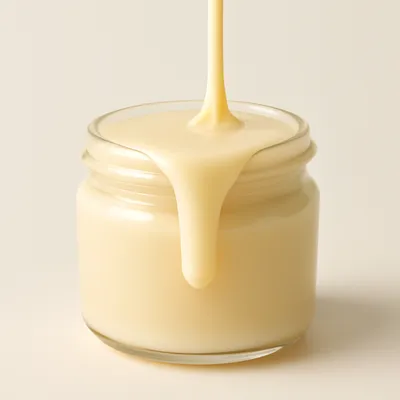


Ube halaya is made from ube (Dioscorea alata), a purple yam long cultivated in the Philippines and grown well in provinces such as Bohol and Benguet. The dish became widely known thanks to the Good Shepherd nuns of Baguio City, who from the mid-twentieth century cooked and sold ube jam under the Mountain Maid brand to fund their charitable work, helping turn it into a national pasalubong. The slow stirring of yam with milk and sugar follows the same preserving logic behind much of the Filipino halaya and sweet-paste tradition.
Spooned up, ube halaya is dense and velvety, holding its shape yet melting smoothly on the tongue. The yam gives a soft, nutty, faintly vanilla earthiness; the coconut and condensed milk make it rich and creamy, the butter adding a glossy, lingering finish. It is sweet but rounded rather than sharp, the kind of flavour that reads as comforting more than fruity.
Cooked ube is starchy and mild, so the long simmer with milk and sugar both flavours it and reduces it: water cooks off, the starch swells, and the sugars and milk solids thicken the mash into a paste firm enough to hold a shape. The butter, stirred in toward the end, emulsifies into the warm jam for sheen and a smoother mouthfeel, and the high sugar content lowers water activity so the halaya keeps well chilled. Constant stirring over low heat is essential to keep the dense paste from catching and scorching.
Variations
Recipes range from coconut-milk-forward versions to richer ones leaning on condensed and evaporated milk, sometimes with cream cheese for tang. Beyond eating it plain or on bread, ube halaya fills ensaymada and pan de ube, swirls into ice cream, and tops halo-halo. Some cooks use fresh boiled ube, others frozen grated ube or ube powder, which affects depth of colour and flavour.
On the Palate
Where Ube Halaya sits in the Filipino flavor cloud
Ingredients
Serves 10How it's made
8 steps · 30 min
- 130 min
Boil whole purple yams until fork-tender, then peel and mash, or finely grate, into a smooth puree.
- 24 min
Warm coconut milk and condensed milk together in a heavy pot.
- 33 min
Stir in the mashed ube and combine until even.
- 425 min
Cook over low heat, stirring constantly, as the mixture thickens and begins to pull away from the pot.
Watch outCook over low heat, stirring constantly, until the mixture thickens and pulls away from the pot — the dense paste catches and scorches the instant you stop stirring.
- 58 min
Add butter and continue stirring until glossy and stiff enough to hold a spoon-trail.
Watch outStir in the butter and cook until it's glossy and stiff enough to hold a spoon-trail — that spoon-trail is the sign it's set firm enough to mold and chill.
- 65 min
Adjust sweetness to taste and cook a few minutes more to firm up.
- 74 min
Press into a greased mold or container and smooth the surface.
- 860 min
Cool, then chill until set before serving or spreading.
Archive tool suggestions — not reviewed
These legacy suggestions have not been evidence-reviewed and are not presented as required tools.



