Espasol is a soft, powdery rice cake: glutinous rice flour cooked down in sweetened coconut milk until thick, then shaped into short cylinders and dusted all over in toasted rice flour. The dusting keeps the pieces from sticking and gives the cake a dry, faintly chalky surface over a chewy, pliant center. It is mildly sweet, with a toasted, almost nutty aroma, and is sold by the roll as a snack and pasalubong.
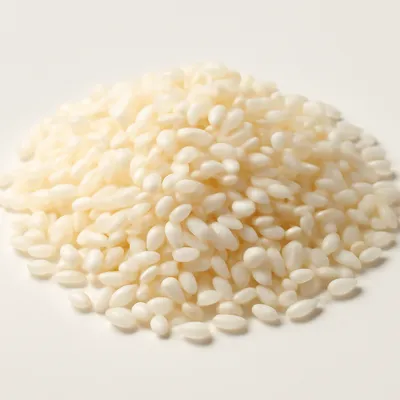


Espasol is strongly identified with Laguna province, where towns such as Nagcarlan are known for it and it has long been a market staple and souvenir. The name is generally thought to be Spanish in root, though the exact word is debated — suggestions include espalmar, 'to flatten,' for the way the dough is pressed and shaped. What sets espasol apart from related kakanin like suman and biko is the toasting of the rice flour, a step that gives it its characteristic dry coat and roasted scent.
Bite in and the powdery coat gives way to a dense, chewy, slightly elastic interior that clings just a little to the teeth. The flavour is gentle — sweet coconut underneath, with the toasted rice flour adding a warm, grain-forward, almost popcorn-like note on top. It is more about texture and aroma than sweetness, and is good with strong black coffee.
Two batches of rice flour do two different jobs. The first is cooked into the sweetened coconut milk, where heat and stirring gelatinize the starch into a thick, sticky, mouldable dough — glutinous rice's high amylopectin content is what makes it cohesive rather than crumbly. The second batch is dry-toasted in a pan until pale gold and fragrant; toasting drives off moisture and triggers light browning, deepening the aroma. Rolling the warm dough in this toasted flour coats the tacky surface, controls stickiness, and layers the roasted note over the soft coconut center.
Variations
The plain coconut-and-rice version is the standard; some makers fold in toasted ground peanuts or sesame for extra nuttiness, and a few flavour the dough with a touch of vanilla. Versions vary in firmness depending on how far the dough is cooked down — softer and creamier, or denser and chewier.
On the Palate
Where Espasol sits in the Filipino flavor cloud
Ingredients
Serves 8How it's made
8 steps · 15 min
- 110 min
Toast a portion of the glutinous rice flour in a dry pan over low heat, stirring constantly, until pale gold and fragrant; set aside for dusting.
Watch outToast the dusting flour low and constantly stirred until pale gold and fragrant — this is what layers the roasted note; let it brown too far and it tastes scorched.
- 24 min
In a heavy pot, combine coconut milk and sugar and warm gently until the sugar dissolves.
- 33 min
Gradually whisk in the remaining glutinous rice flour, breaking up any lumps.
- 420 min
Cook over low heat, stirring without stopping, until the mixture pulls away from the sides into a thick, glossy, sticky dough.
Watch outCook the coconut-milk batter, stirring nonstop, until it pulls away from the sides into a thick glossy dough — that's when the starch has fully gelatinized.
- 58 min
Turn the dough out onto a surface dusted with the toasted flour and let it cool until handleable.
- 66 min
Shape into logs or short cylinders, rolling each in the toasted rice flour to coat.
- 74 min
Slice into pieces and dust once more so no sticky surface is left exposed.
- 815 min
Cool fully before serving or wrapping.
Archive tool suggestions — not reviewed
These legacy suggestions have not been evidence-reviewed and are not presented as required tools.



