Kiniing is the Benguet highland version of cured-and-smoked pork, the Ibaloy and Kankanaey answer to etag. Slabs of native pork are rubbed with rock salt, then hung in the suuban — the rack above the clay cooking stove — where the daily kitchen fire smokes them slowly over days to weeks. It carries a heavier smoke note and a softer, less-aged bite than the long-dried Mountain Province etag. Sliced thin it stews into pinikpikan and highland vegetable pots, lending the whole dish its smoky backbone.





Across the Cordillera the same salt-and-smoke preservation carries a different name in each homeland — etag in Mountain Province, kinuday or kiniing in Benguet, pininchang in Ifugao, tinapa in Kalinga, sinapan in Apayao. Kiniing is the Benguet (Ibaloy and Kankanaey) name, and the method long predates refrigeration: pork was salted and hung over the hearth so families could keep meat from a butchered or sacrificed pig through the cool highland months. The Slow Food movement has recognized Benguet kiniing on its Ark of Taste as an endangered traditional food.
Deep woodsmoke up front, then a salty, savory chew that is firmer than fresh pork but softer than long-aged etag. The fat turns translucent and carries most of the smoke. On its own it is intensely salty; folded into a simmer it dissolves into a smoky, umami-rich base.
Rock salt draws water out of the meat by osmosis, lowering the moisture available to spoilage microbes. Smoke from the hearth deposits phenolic compounds on the surface that both inhibit bacteria and build the aroma. Hung in the suuban for weeks the slab loses water steadily and concentrates its protein; left for a year it hardens, so kiniing is generally taken younger and moister than aged etag.
Variations
The same Benguet smoked pork is also called kinuday; some households eat it freshly smoked and still soft, others hang it for a month or more for a firmer, drier cure. It is most often simmered into pinikpikan or boiled with highland vegetables; thin slices are also pan-fried like bacon.
On the Palate
Where Kiniing sits in the Filipino flavor cloud
Ingredients
Serves 6How it's made
7 steps · 40 min
- 115 min
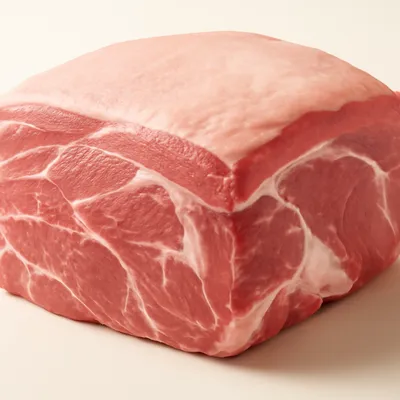
Cut native pork belly or shoulder into wide, thick slabs about three fingers across.
- 210 min
Rub every surface generously with rock salt and let it cure, refrigerated or in a cool place, for at least one day.
Watch outRub every surface generously with rock salt and cure at least a day — the salt has to draw the water out by osmosis, which is what protects the meat.
- 310 min
Hang the salted slabs on a rack above a wood fire, or in the smoke space over a clay stove.
- 41440 min
Keep a low, smoky wood fire going and smoke the meat over one to several days until the surface darkens and dries.
Watch outKeep a low, smoky fire and smoke until the surface darkens and dries — this is taken younger and moister than aged etag, so don't dry it to a rock.
- 540 min
To cook, rinse a slab, slice it thin, and simmer with water, ginger and squash until tender.
- 610 min
Add highland greens near the end; taste before salting, as the kiniing is already salty.
- 75 min
Serve the smoky broth and meat hot over rice.
Archive tool suggestions — not reviewed
These legacy suggestions have not been evidence-reviewed and are not presented as required tools.



