
Rillettes are a potted pork preparation in which shoulder (and often belly) is cut into pieces, salted, and cooked very slowly in its own rendered fat and added lard until the meat falls apart. The fibers are then crushed and shredded into a coarse, spreadable paste, packed into pots, and sealed under a cap of white fat. Eaten cold and spread thickly on bread or toast, classically with cornichons and a glass of dry white wine. Two regional styles dominate: the drier, browner Rillettes de Tours and the paler, fattier style of Le Mans and the Sarthe.




Rillettes are a traditional Touraine peasant preparation, originally a way to preserve pork at the twice-yearly slaughter; the word is first attested in 1480, from dialect 'rille' (a piece or strip of pork), itself from Old French 'reille' (a lath or strip), and is of Tourangelle origin. Rabelais, born nearby at Chinon, praised them as a 'brune confiture de cochon' (brown pig jam), and Balzac exalted the rillettes of Tours in his 1836 novel Le Lys dans la vallée. They long remained a domestic, farmhouse food before town charcutiers in Tours took up the recipe in the 19th century; it was in Le Mans, in the Sarthe, that rillettes gained industrial scale from the late 19th century. There is no single documented inventor. Rillettes de Tours hold a Protected Geographical Indication (IGP), registered in the EU in 2013 after an effort begun in 1992; the rillettes of Le Mans and the Sarthe are not protected by a comparable designation.
Soft and spreadable, almost a savory paste; warm toast melts the fat through it so it turns silky on the tongue. The flavor is deeply porky and well salted, rich with rendered fat, finished with bay, thyme and pepper, and cut by the sharp acidity of a cornichon.
Rillettes are a confit-style preservation: salt cures the meat first, then hours of very gentle cooking in fat (roughly 80 to 90°C, well below a simmer) slowly render the meat tender without frying it. At these temperatures the tough collagen in the connective tissue denatures and hydrolyzes into gelatin, which is why the fibers shred so easily and the paste sets to a soft, sliceable richness when cold. Two barriers do the keeping: the salt cure lowers water activity, and the cap of solidified fat poured over the packed meat excludes air, sealing it from oxidation and microbes much as a wax seal protects a jam. Properly potted and kept cool, rillettes hold for weeks.
Variations
Rillettes de Tours (Touraine) are drier, more fibrous and browner, sometimes lightly caramelized and made from pure local pork; the rillettes of Le Mans and the Sarthe are paler, fattier and more finely shredded. Beyond pork, classic versions include rillettes d'oie (goose) and rillettes de canard (duck), often enriched with their own fat; lighter modern styles include rillettes de saumon (salmon) and other fish rillettes bound with butter or cream rather than lard.
On the Palate
Where Rillettes sits in the French flavor cloud
Ingredients
Serves 8

How it's made
9 steps · 30 min
- 115 min
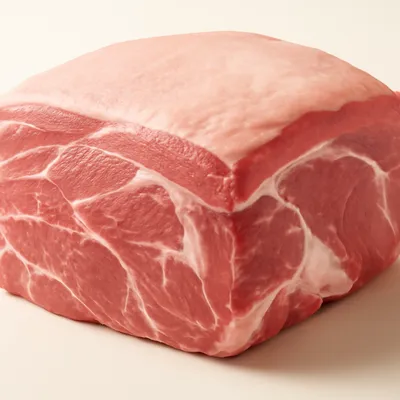
Cut pork shoulder (and belly, if using) into roughly 4 cm pieces. Toss thoroughly with the salt, crushed garlic, pepper, thyme and bay, and refrigerate to cure for at least 12 hours.
- 210 min
Wipe off excess surface salt. Place the meat in a heavy pot with the lard and white wine, plus a splash of water to start the rendering.
- 310 min
Cook uncovered over very low heat, around 80 to 90°C, so the surface barely trembles. Do not let it fry or boil.
Watch outHold it around 80-90, surface barely trembling — never let it fry or boil, or the fat sears the meat instead of gently rendering it.
- 4240 min
Hold at this gentle heat for about 4 hours, stirring occasionally, until the meat is completely tender and falls apart when pressed.
- 510 min
Lift the meat out and remove the bay and thyme stalks. Reserve the rendered fat and the gelatinous cooking juices separately.
- 620 min
Crush and shred the warm meat with two forks into a coarse paste; do not purée. Beat back in enough of the reserved fat and juices to make it moist and spreadable, and correct the salt and pepper.
Watch outShred with two forks into a coarse paste, never a purée — beat back just enough fat and juice to make it moist and spreadable.
- 710 min
Pack the rillettes firmly into clean pots or ramekins, pressing out air pockets, and smooth the tops.
- 810 min
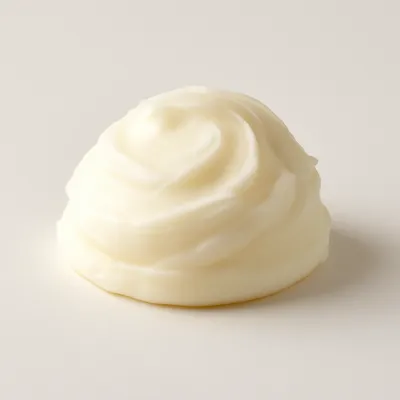
Pour a layer of the remaining clear melted fat over each pot to seal the surface completely. Cool, then refrigerate.
Watch outSeal each pot with a full cap of clear fat — that airtight fat lid is what lets it keep; a gap and it spoils.
- 95 min
Rest at least 2 days before eating so the flavor matures. Serve cold with bread or toast and cornichons.
Archive tool suggestions — not reviewed
These legacy suggestions have not been evidence-reviewed and are not presented as required tools.



