
A surprising sweet pie from Nice in which Swiss chard leaves are the main filling — chopped green chard mixed with apples, pine nuts, raisins, sometimes a little cheese and lemon zest, enclosed in a thin sweet pastry and dusted with icing sugar. The chard melts into the filling and reads as a soft, herbal green note rather than a vegetable, against the sweetness of the fruit. Dense, not too sugary and unmistakably Niçois, it is a fixture of the bakeries and markets of Vieux Nice, traditionally tied to the Christmas table.


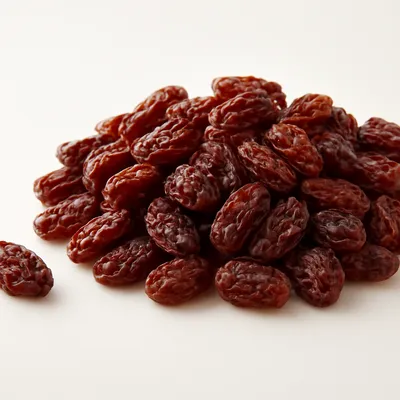


The tourte de blettes is one of the emblematic sweets of the old County of Nice, a striking survival of the medieval and Renaissance habit of building sweet pies on leafy greens and herbs. It uses the blette — Swiss chard, a staple green of Niçois cooking that also fills the savoury versions of the same pie — sweetened here with apples, pine nuts and raisins in the style of the region's dried-fruit baking. It is closely associated with the thirteen desserts of the Provençal Christmas table and is sold year-round in Vieux Nice. Both a sweet and a savoury tourte de blettes exist side by side in Niçois tradition.
The first bite confounds expectation: under the icing sugar and short, biscuity pastry is a moist, dark-green filling that tastes mild and herbal rather than vegetal, sweetened and studded with soft raisins and the resinous crunch of pine nuts. Apple brings tartness and moisture, lemon lifts it, and the chard reads almost like a leafy spinach folded into a fruit pie. It is comforting and not cloying — a dessert that admits its greens. A filling left too wet sogs the base; the chard must be well drained.
The trick is treating a leafy green as a sweet ingredient by managing its water. Chard is mostly water; chopped and wilted, then squeezed dry, it loses the raw-vegetable rawness and reduces to a soft, mild green mass that absorbs sugar and fruit flavour without weeping into the crust. Pine nuts and raisins add fat, chew and concentrated sweetness, while grated apple supplies moisture and pectin that helps the filling hold together. The thin sweet pastry — short and biscuit-like — bakes crisp around it, and a top dusting of icing sugar finishes the sweet reading. Underdrained chard, or too much apple juice, and the bottom never crisps.
Variations
Recipes vary on additions — some fold in fresh white cheese or a beaten egg to bind, some add pine nuts soaked in rum, some thin slices of apple laid on top. A savoury tourte de blettes, without the sugar and fruit and often with cheese and anchovy, exists in parallel as a starter or main. Pastry is sometimes left as an open tart rather than a closed pie. The sweet chard-and-fruit identity is the constant.
On the Palate
Where Tourte de Blettes sits in the French flavor cloud
Ingredients
Serves 8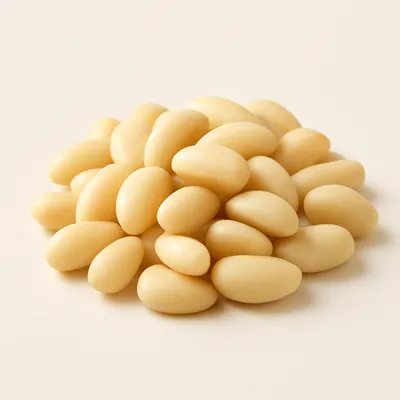

How it's made
6 steps · 45 min active + 1 hour 5 min waiting
- 115 min
Make a sweet short pastry, wrap and chill while you prepare the filling.
- 215 min
Wash and finely chop the chard leaves, wilt briefly, then squeeze thoroughly dry.
Watch outWilt the chard, then squeeze it bone-dry — leave water in and it weeps into the pastry and turns the base soggy.
- 310 min
Mix the chard with grated apple, pine nuts, raisins, sugar, lemon zest and a beaten egg.
- 48 min
Line a tart tin with two-thirds of the pastry and fill with the chard mixture.
- 57 min
Cover with the remaining rolled-out pastry, seal the edges and pierce the top.
Watch outDon't overfill — too wet or too full a filling and the tart weeps and the crust won't crisp.
- 645 min
Bake at 180°C until golden, about 40 minutes; cool and dust heavily with icing sugar.
Archive tool suggestions — not reviewed
These legacy suggestions have not been evidence-reviewed and are not presented as required tools.


