The thing missing from every dish that tastes flat.
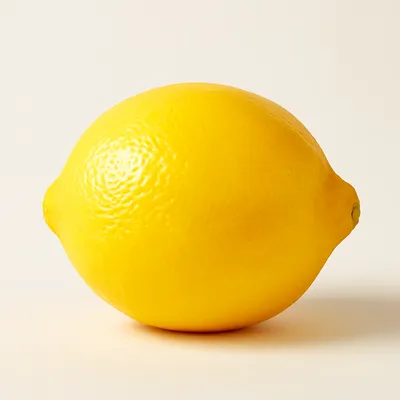
Bright sour citrus used for juice and zest; essential acid-brightener in Western cuisines.
Where it comes from
Lemons trace their origin to Asia, with their culinary use blossoming in Mediterranean cuisine, where they became a vital ingredient for both flavor and preservation.
In the kitchen
Used for zesting, juicing, or as a garnish, lemon brightens dishes, enhances dressings, and balances flavors in both savory and sweet applications.
Across cuisines
Lemon zest, not just juice, is the key in Italian pastry work — the grated outer peel added to sfogliatella dough, cannoli filling, and Babà al Rum syrup supplies floral oil compounds (limonene) that juice alone cannot deliver. In Baccalà Mantecato, the salt-cod is whipped with lemon juice that both seasons and assists emulsification of the fish's natural gelatin with olive oil.
Avgolemono — the egg-and-lemon sauce/soup — demonstrates lemon's role as a thickening agent via the egg emulsion: hot broth is tempered slowly into beaten egg yolk and lemon juice to form a silky, stable liaison. This avgolemono base is also spooned over Dolmades at serving. The acid in lemon prevents the egg proteins from curdling at heat.
Beurre blanc and meunière both depend on lemon juice as the acidulant that prevents the butter sauce from splitting and adds brightness. In meunière, the lemon is squeezed over the finished butter as it foams brown — the acid hits the browning butter and creates the characteristic sharp-nutty contrast. Aïoli Garni uses lemon juice to thin and season the garlic mayonnaise.
Notable varieties
Year-round commercial variety; high juice content, assertive tartness, minimal seeds. The standard lemon in professional kitchens for sauces, dressings, and pastry.
Lemon-mandarin hybrid: thinner skin, lower acid, floral and slightly sweet. The reduced tartness makes it preferred for preserves, curd, and desserts where a gentler acid profile avoids the sharpness of Eureka.
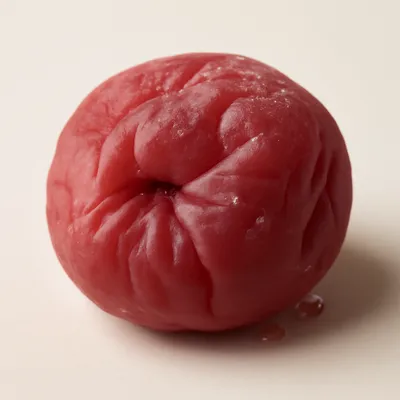
Not a variety but a cured format: whole lemons salt-packed for 3–6 weeks. The pith loses bitterness, the peel becomes intensely savory-citric and soft. Used by the rind only (pulp discarded) in Moroccan tagines and Levantine marinades.
Nutrition (per 100g)
FoodB-derived; record mapping unavailable.
Pairs well with