



Aïoli garni is the traditional Provençal Friday meal — Catholic abstinence rules forbade meat, and the salt cod (morue) had been a Mediterranean Lenten staple since the Middle Ages, traded inland from Atlantic and Norwegian fisheries. Marseille fixed the modern composite (cod plus seven vegetables plus eggs plus snails in some versions) as a communal village dish; the grand aïoli of August 15th, the Feast of the Assumption, gathers entire Provençal villages around shared platters. Frédéric Mistral, the 19th-century Provençal poet, called the dish the concentrate of Provence's heat, garlic and joy.
The Provençal Friday meal — salt cod, seven vegetables, eggs, sometimes snails. Frédéric Mistral called it the concentrate of Provence; the August 15 grand aïoli still draws whole villages around shared platters.
A circle of soft-coloured wedges — bone-white cod, gold potato, orange carrot, deep green bean — all neutral and gently warm, drawn together only by the spoonful of pale yellow aïoli each diner ladles on. The aïoli hits first: raw garlic heat, then olive-oil weight, then a long lingering pungency that builds across the meal. Cod is delicate, vegetables are barely seasoned — the platter is intentionally a vehicle for the sauce. If the aïoli breaks or tastes thin, the whole table is wrong.
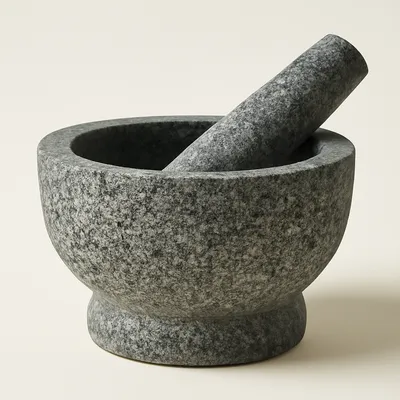
The emulsion is everything. Aïoli is mayonnaise made with raw garlic paste replacing some of the egg yolk's water — too much garlic and it splits, too little and it tastes like supermarket mayo. Marble mortar matters: the porous stone holds a thin film of garlic oil and acts like a primer, helping the next emulsion seize. Olive oil must be added in a literal thread; faster pouring overwhelms the lecithin. If it breaks, restart in a clean bowl with a fresh yolk and slowly whisk the broken sauce back in.
Variations
Marseille grand aïoli (cod-led, seven vegetables); Martigues version adds octopus and sea snails; Sète aïoli monstre swaps cod for poached cuttlefish.
On the Palate
Where Aïoli Garni sits in the French flavor cloud
Ingredients
Serves 6


How it's made
5 steps · 1 hour active + 1 day waiting
- 110 min
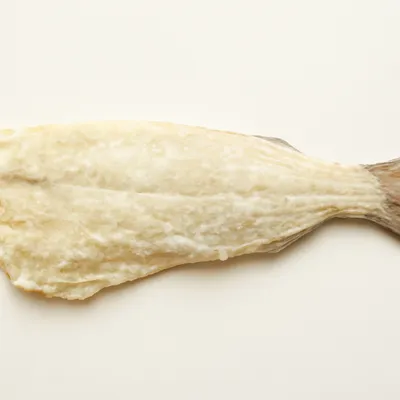
Day before: rinse 600g salt cod (morue) and soak in cold water in the fridge 24 hours, changing water 4 times. The cod should taste seasoned, not aggressively salty.
- 220 min
Make the aïoli in a marble mortar. Pound 6 peeled garlic cloves with 1/2 tsp salt to a smooth paste — 5 minutes. Whisk in 2 room-temp egg yolks. Drizzle 350ml extra-virgin olive oil in a thin thread, whisking constantly, until thick and pale yellow. Adjust with lemon juice. Should hold a spoon upright.
Watch outAdd the oil in a literal thread, whisking without pause, until it stands thick and pale enough to hold a spoon upright — pour too fast and the emulsion breaks. If it splits, start over with a fresh yolk and whisk the broken sauce back in drop by drop.
- 325 min
Trim and steam vegetables separately to keep colours: 600g small new potatoes (skin on, 20 min), 4 whole carrots (15 min), 300g green beans (8 min), 1 small cauliflower in florets (10 min). Hard-boil 6 eggs (10 min), peel.
- 412 min
Poach the desalted cod: cover with cold water, add 1 bay leaf, bring to bare shiver (80°C), hold 8 minutes — never simmer or it shreds. Lift out gently in a slotted spoon, drain on a towel. Skin and bone if needed.
Watch outKeep the cod water at a bare shiver around 80 degrees, never a simmer — let it boil and the fish shreds apart before you can lift it out.
- 55 min
Arrange everything warm or room temp on one large platter — vegetables in colour groups, cod in the centre, eggs halved at the edge. Set the mortar of aïoli on the table. Each diner spoons aïoli onto their plate; bread and rosé Bandol on the side.
Archive tool suggestions — not reviewed
These legacy suggestions have not been evidence-reviewed and are not presented as required tools.