



A Gascon preservation method from southwestern France, dating to at least the medieval period when refrigeration didn't exist. Salt-cured duck legs were submerged in their own rendered fat in stoneware crocks and kept in cool cellars for months — fat seals the meat from oxygen and bacteria. The technique predates the dish as a restaurant item; the bistro version (re-crisped and served hot) is a 19th-century evolution.
Gascon preservation method, pre-refrigeration — duck legs salted overnight, slow-poached in their own fat at 85°C for hours, stored submerged in fat for months. The skin crisps in the second cook.
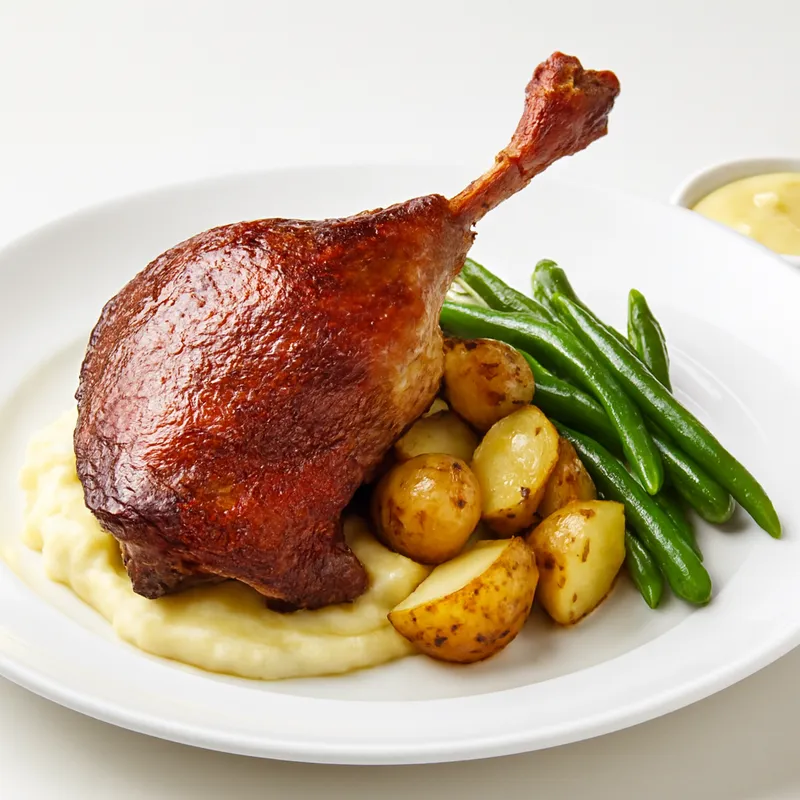
A duck leg, skin re-crisped to mahogany under a hot pan or broiler, meat pulling cleanly off the bone with no resistance. The fat underneath is silken, almost gelatinous from the long cure. Salt is the dominant seasoning; pepper, thyme, garlic in the background. Served on lentils, potatoes sarladaises (cooked in duck fat), or a frisée salad with a sharp vinaigrette to cut the richness.
The cure is two-stage: 24 hours in coarse salt with thyme and garlic to draw out moisture, then submerge in 80–90°C duck fat for 2–3 hours until the leg yields to a fork. The fat doesn't fry the meat — it's a low-temperature poach. Confit's depth comes from time, not heat; quick versions in pressure cookers miss the slow protein breakdown that makes the meat fall apart cleanly.
Variations
Toulouse uses confit legs in cassoulet; Bordeaux serves it with sarladaise potatoes (cooked in the duck fat); Quebec cuisine adopted it via French settlers and pairs with maple; modern restaurants sous-vide for 12 hours instead of fat-poaching.
On the Palate
Where Duck Confit sits in the French flavor cloud
Ingredients


How it's made
4 steps · 40 min active + 12 hours waiting
- 110 min
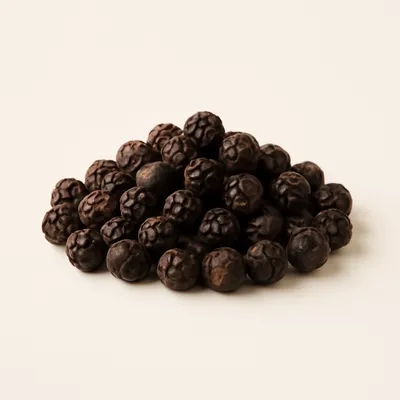
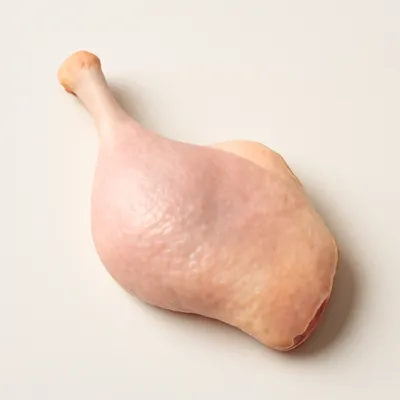
Lay the duck leg portions on a platter, skin side down. Sprinkle with salt and black pepper. Place garlic cloves, bay leaves, and thyme on two leg portions, then sandwich with the remaining legs. Refrigerate for 12 hours to cure.
Watch outThe cure is done when the surface feels tacky and the flesh has firmed up and darkened slightly — that's the salt drawing out moisture.
- 210 min
Preheat the oven to 200°F (95°C). Rinse the duck under cool water to remove excess salt and pat dry. Arrange the garlic, bay leaves, thyme, and reserved duck fat in the bottom of a cast-iron pot.
- 310 min
Place the duck legs on top, skin side down, and add olive oil. Cover the pot and bake until the meat is tender and pulls away from the bone, about 12 to 14 hours.
Watch outIt's ready when the meat has shrunk back from the bone end and yields the moment a fork twists it — don't judge by the clock alone.
- 410 min
Remove the duck from the fat. Strain the fat and set aside. To store, place duck legs in a container, cover with cooking fat, and refrigerate. The duck can be stored for up to a month.
Watch outTo store, make sure the fat fully covers the legs with no meat poking out — that airtight fat seal is what keeps it for weeks.
Archive tool suggestions — not reviewed
These legacy suggestions have not been evidence-reviewed and are not presented as required tools.
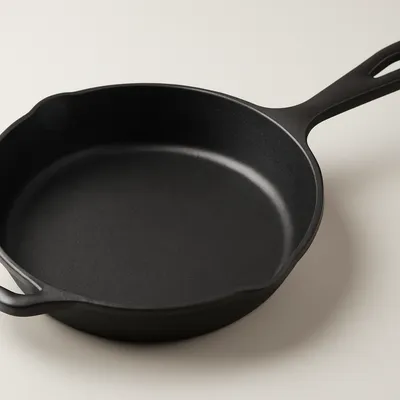
A heavy, single-piece cast iron pan, 25-30 cm across, weighing 1.5-2.5 kg. Once preheated, the thick mass holds 230°C+ even when a cold steak hits the surface — that's the secret to a deep crust. A well-seasoned skillet (multiple thin layers of polymerized oil baked into the iron) is essentially nonstick, gets better with use, and lasts a century. Lodge skillets from Tennessee have been in continuous production since 1896.
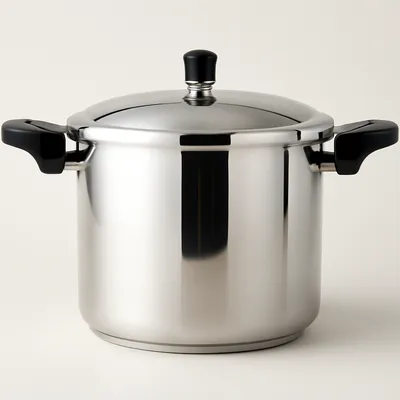
A sealed pot that lifts the boiling point of water from 100°C to ~120°C by trapping steam at 1 bar above ambient pressure. Tough cuts (oxtail, beef shank, dried beans) cook in 30 minutes instead of 4 hours; the higher heat denatures collagen faster than a long simmer. Modern electric versions (Instant Pot) automate the pressure cycle; old stovetop ones (Presto, Kuhn Rikon) hiss alarmingly but cost a fraction.