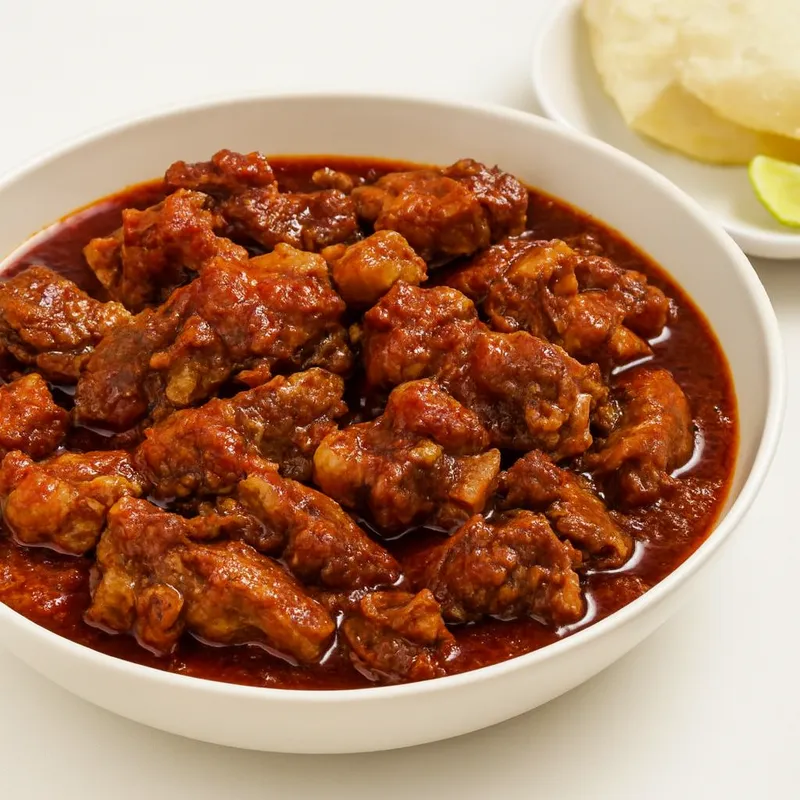
Aromatic and slightly bitter, bay leaves impart a subtle depth of flavor, releasing their essential oils during cooking. Their leathery texture and unique scent enhance soups, stews, and braises.
Where it comes from
Bay leaves have ancient origins, used in Roman cooking and as a symbol of victory. They are a staple in Mediterranean and Middle Eastern cuisines.
In the kitchen
Added whole to long-cooked dishes, bay leaves infuse flavors, enriching the overall profile without overwhelming the dish.
Nutrition (per 100g)
313kcalCal
7.6gProtein
8.4gFat
75.2gCarbs
26.3gFiber
Values are AI-estimated, not from a laboratory database
Pairs well with
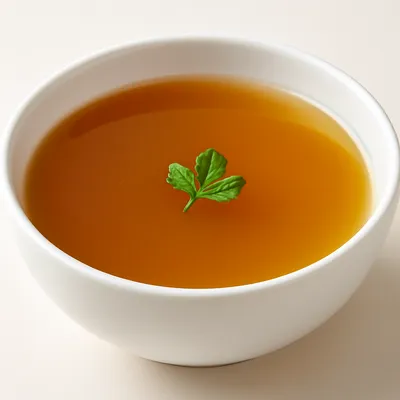
Broth
Simmer a bay leaf in the broth. It adds a subtle, aromatic depth that rounds out the flavors.

chicken stock
A single leaf, long simmer. Subtle, herbal depth without overpowering. Remove before serving.
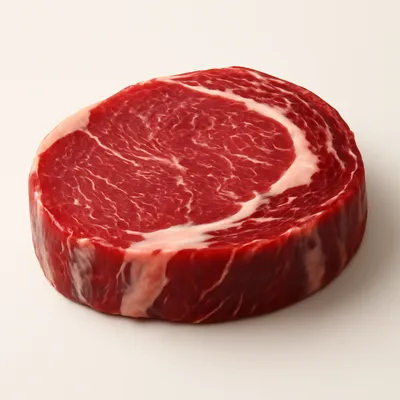
Beef
Simmer with beef in stews. The slow release of bay leaf's subtle aroma deepens the meat's richness. Remove before serving.

Tomato
Add to tomato sauce early. Bay leaf's earthy notes balance tomato's acidity, creating a rounded flavor. Discard before serving.
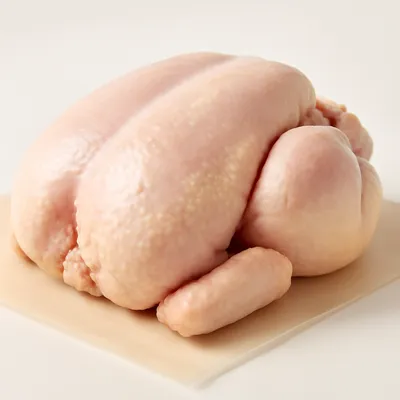
Chicken
Use in chicken broth. Bay leaf infuses a subtle herbal note, enhancing the broth's depth. Remove before straining.

Beef Brisket
Add a few leaves during braising. Their subtle aroma infuses the broth, lifting the beef's deep flavors.
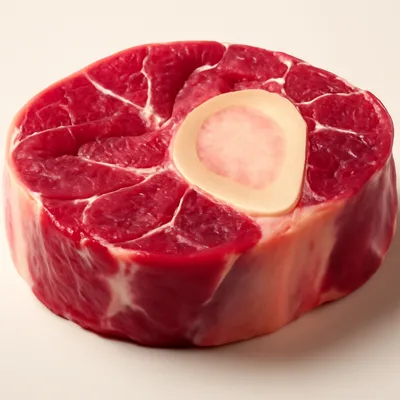
Beef Shank
Add bay leaves early. They infuse a subtle herbal note that rounds out the beef's hearty flavor during long cooking.
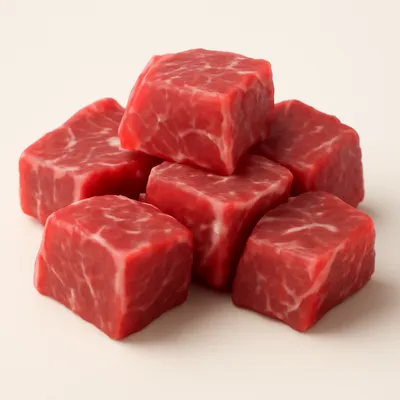
Beef Chunks
Add early in the simmer. Bay leaf's subtle aroma infuses slowly, lifting the stew with a hint of herbal depth.
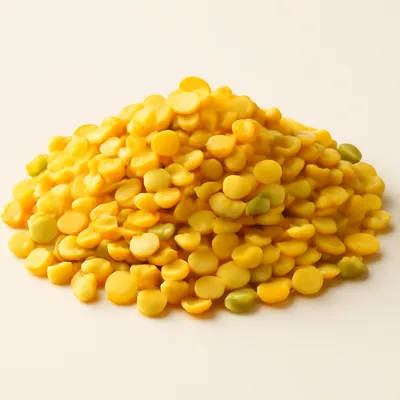
split peas
Toss in a bay leaf while simmering. Its subtle aroma lifts the peas, adding a gentle herbal note.
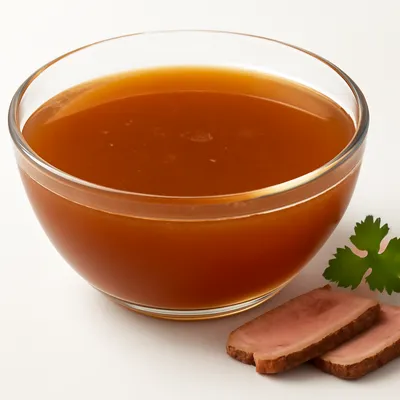
beef broth
Add a bay leaf during simmering. It lends a gentle, aromatic depth that rounds out the broth's flavor.

spleens
Add bay leaf during simmering. It infuses a subtle herbal note, lifting the dish's aroma.

stock
Add a leaf while simmering. It infuses a subtle, herbal aroma that enhances the stock's complexity.