Filipino
Vinegar, soy, and fearless sweetness.
Adobo
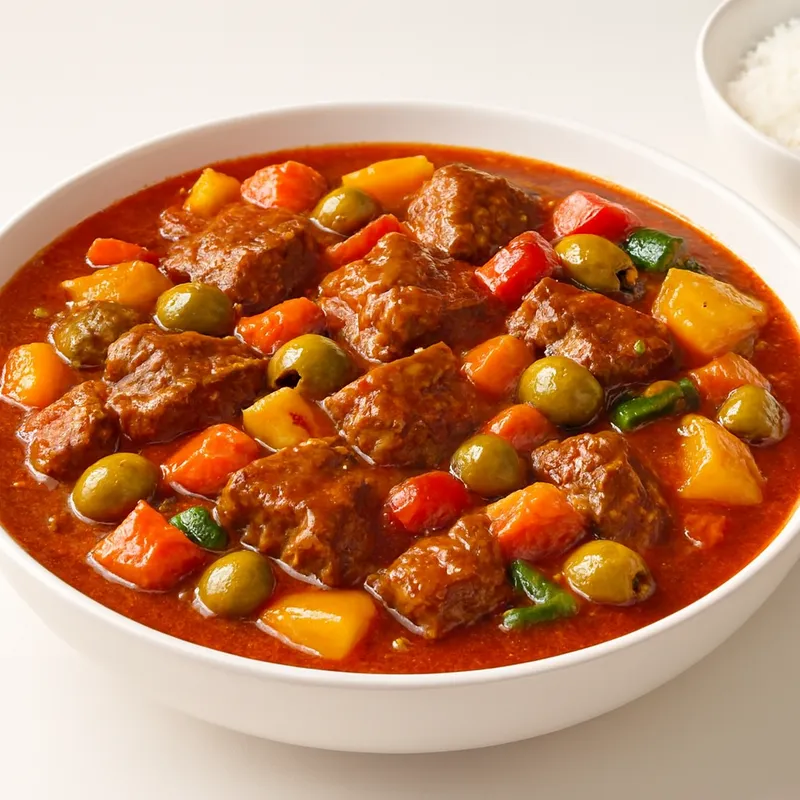
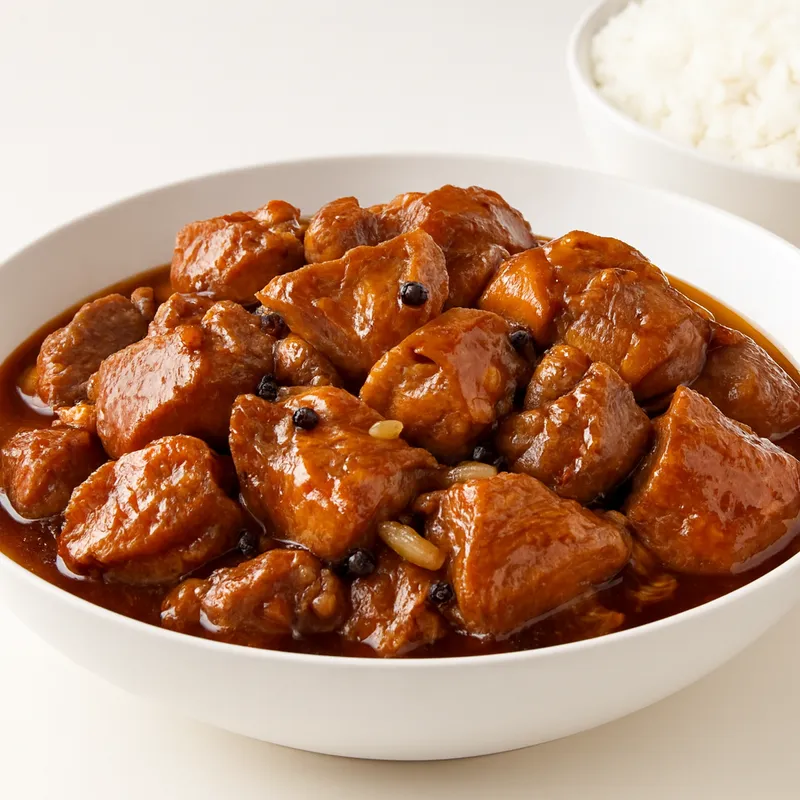
Adobo, a method of marinating and stewing meat in vinegar, soy sauce, and spices, is a cornerstone of Filipino cuisine.
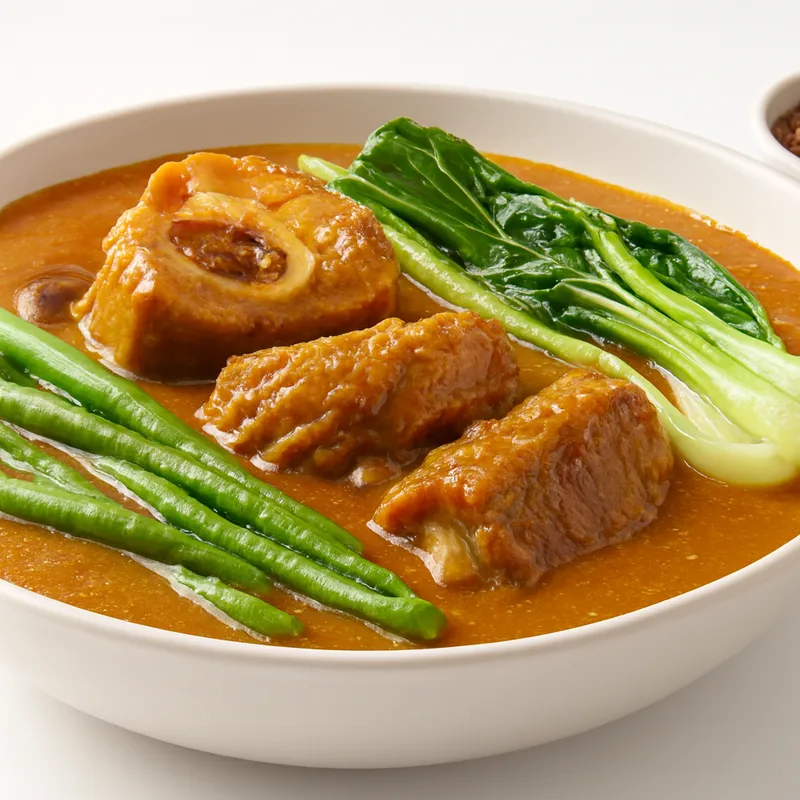
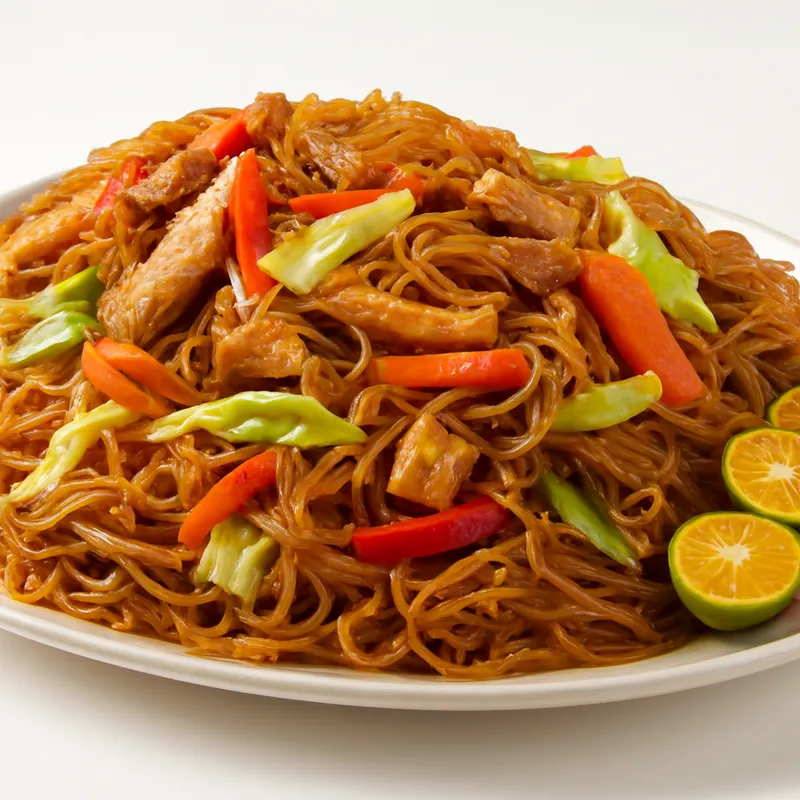
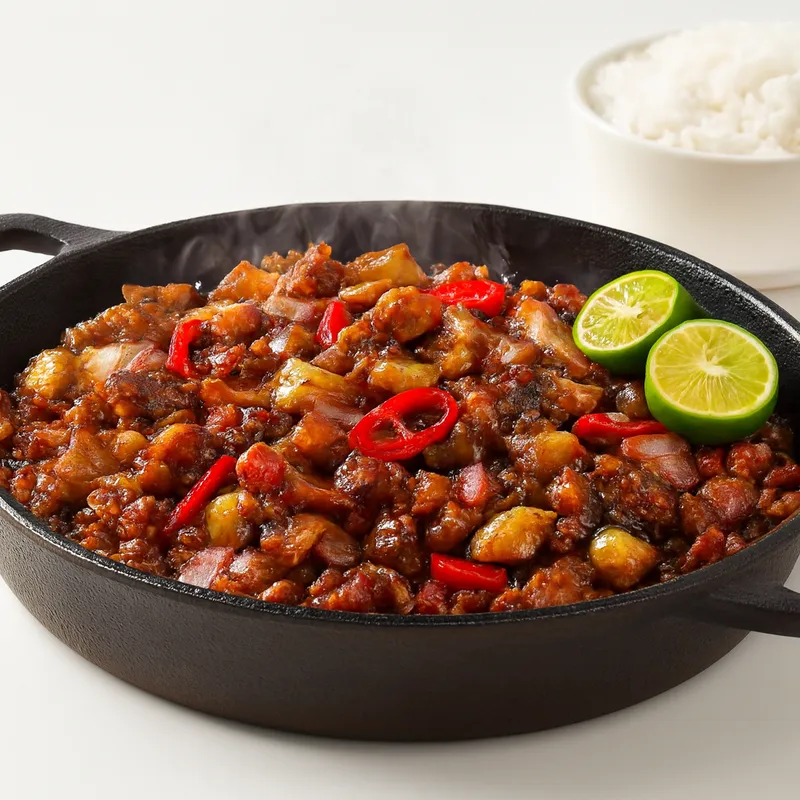
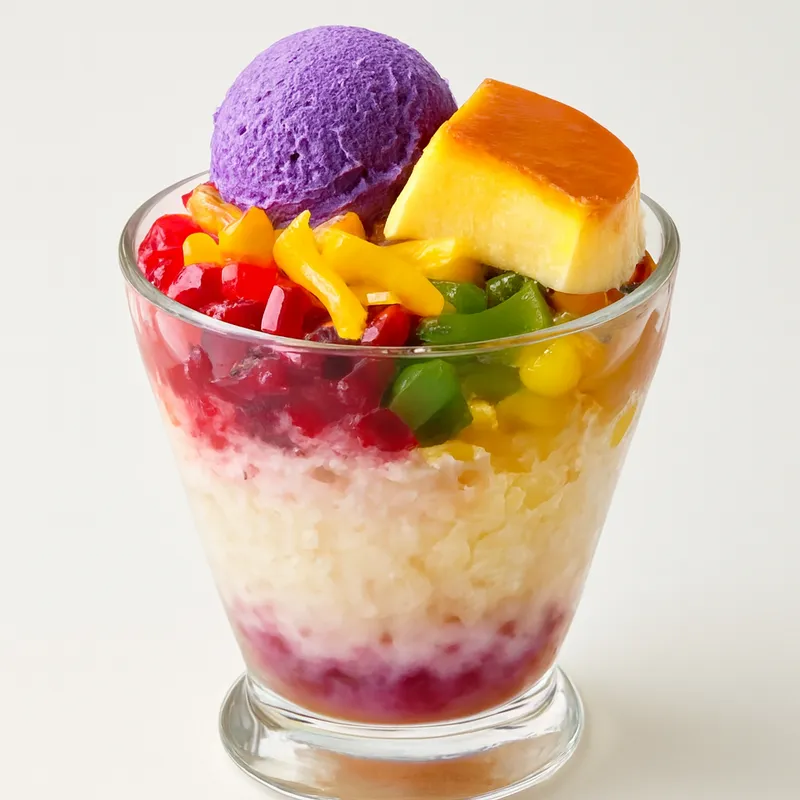
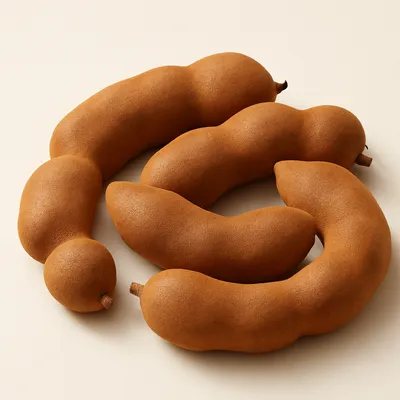
View page →Filipino cooking leans sour, salty, and rich, and the benchmark dish is adobo — meat (usually pork or chicken) braised in vinegar, soy sauce, garlic, bay, and black pepper until tangy and tender. The other everyday anchor is sinigang, a sour soup soured with tamarind (or guava, or calamansi) and packed with pork or shrimp and vegetables. For a crowd there's lechon, a whole pig roasted over coals to a glassy, crackling skin, and kare-kare, oxtail and tripe in a thick peanut sauce eaten with bagoong, a salty fermented shrimp paste. Sisig — chopped pork face and ear, crisp and sizzling on a hot plate with onion, chili, and a squeeze of calamansi — started as bar food and is now everywhere. The cuisine carries clear Spanish and Chinese marks, from garlicky pancit noodles to halo-halo, the shaved-ice dessert layered with sweet beans, jellies, and ube.
The Palate
What makes it taste like itself
Start Here
Adobo encapsulates the Filipino mastery of balancing flavors, with its sharp vinegar and rich soy sauce marrying perfectly with garlic and bay leaves.
Why start here · Adobo is a quintessential introduction to the Filipino palate, showing the cuisine's capability to transform simple ingredients into complex flavors.
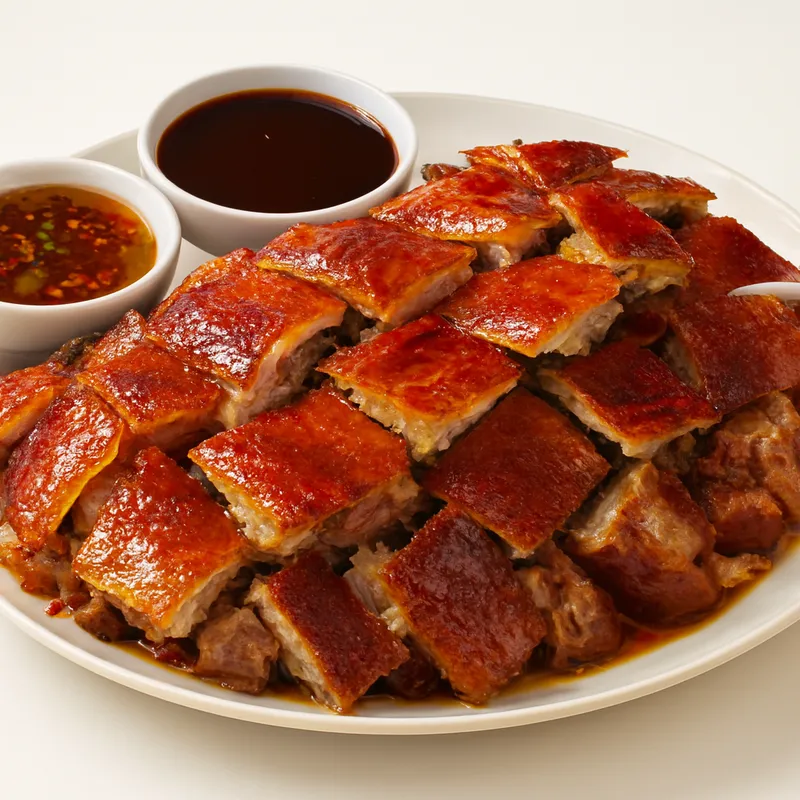
Lechon is a celebration centerpiece, its crackling skin and tender meat embodying the festive spirit and communal joy of Filipino gatherings.
Why start here · Experiencing lechon is to understand the communal and celebratory essence of Filipino cuisine.
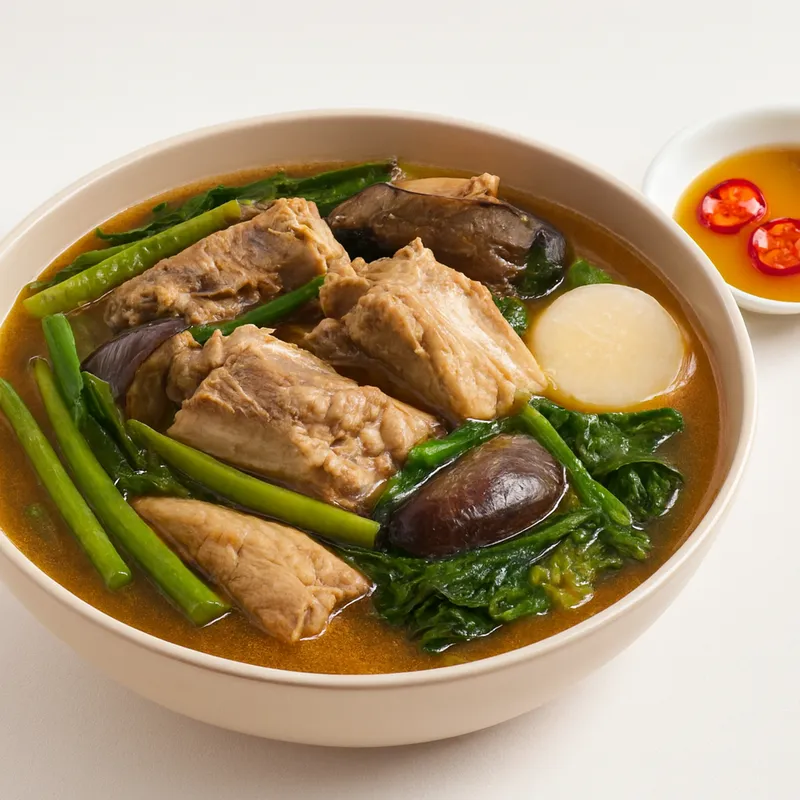
Sinigang's sour broth speaks to the Filipino taste for tangy, hearty flavors, often featuring seasonal vegetables and a choice of meat or seafood.
Why start here · Sinigang offers a taste of the Philippines’ love for sourness, making it a perfect start for newcomers.
Halo-Halo is a layered icy dessert that brings together the many strands of Filipino culture, with its mix of sweetened beans, jellies, fruits, and leche flan.
Why start here · Halo-Halo introduces the sweetness and playfulness of Filipino desserts to the uninitiated.
Cook First
The easiest way in


The Pantry



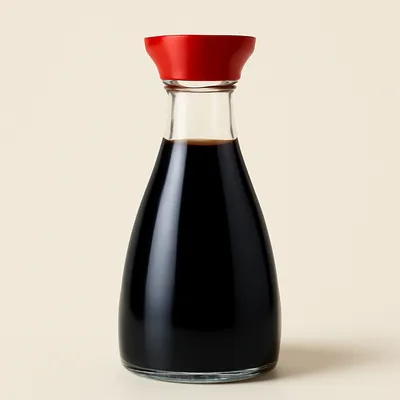



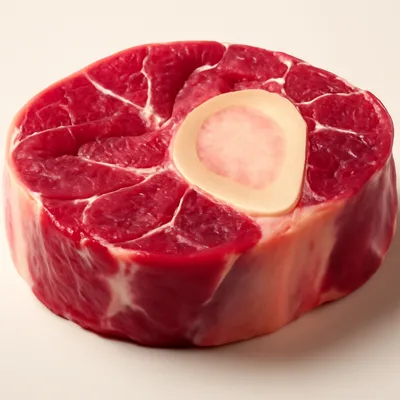
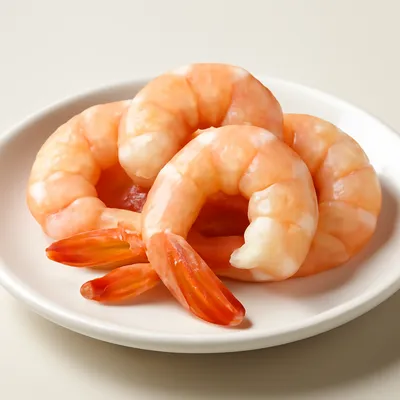
See all 227 ingredients›
















Herbs & Spices




Grains & Staples







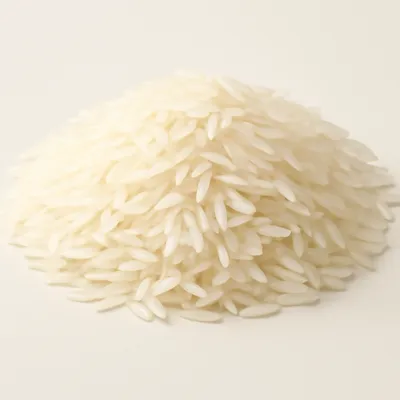
Dairy & Fats







Sauces & Condiments


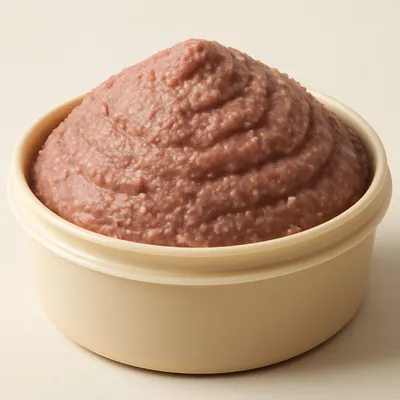


Other


Archipelago Kitchens
Four archipelago kitchens — Luzon's canon, Visayan seafood-and-sugar, Muslim Mindanao, mountain Cordillera. Tap a region to see its table.
The Tagalog-Bicolano-Ilocano belt — adobo, sinigang, lechon Manila, coconut-and-chili Bicol Express, the most-traveled face of Filipino food.
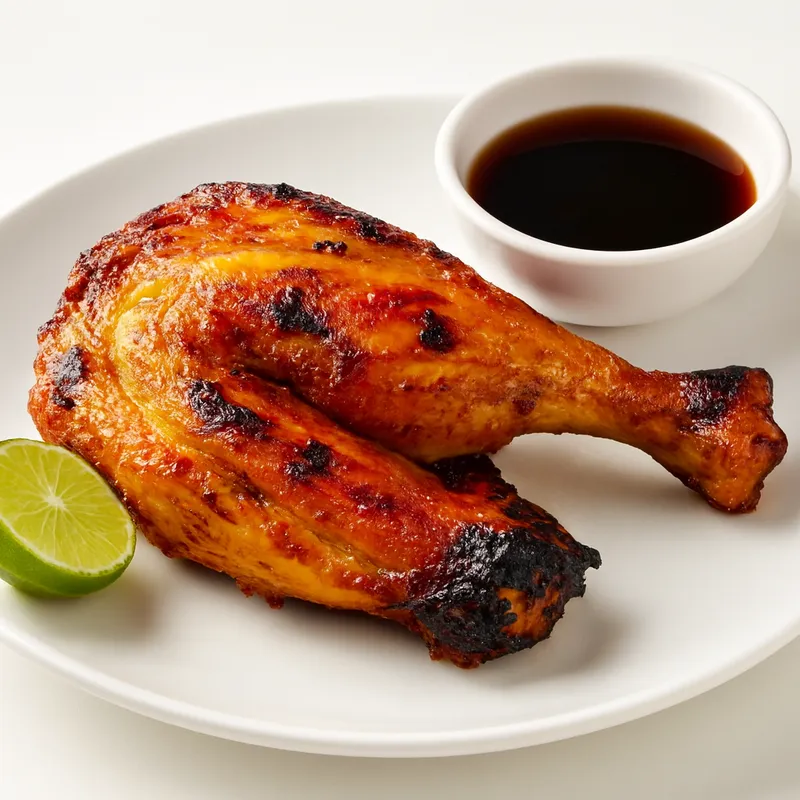
Sea-and-sugar islands — Lechon Cebu's crackling-skin rival to Manila's, La Paz Batchoy from Iloilo, Bacolod chicken inasal grilled over coconut coals.
The thrifty, vegetable-and-bagoong cooking of the Ilocos north — bitter-savoury pinakbet, glassy deep-fried bagnet, the crisp orange Vigan empanada, grilled dinakdakan, and bile-bittered pinapaitan.
Pampanga, the Philippines' self-styled culinary capital — bold, technical, nose-to-tail cooking. Sisig sizzling on a hotplate, sweet-savoury morcon and embutido, carabao-milk tibok-tibok, and the adventurous betute and camaru.
Muslim-influenced south — Halal cooking with coconut and turmeric, Pyanggang grilled-charred chicken, Piaparan layered with toasted coconut, satti at dawn.
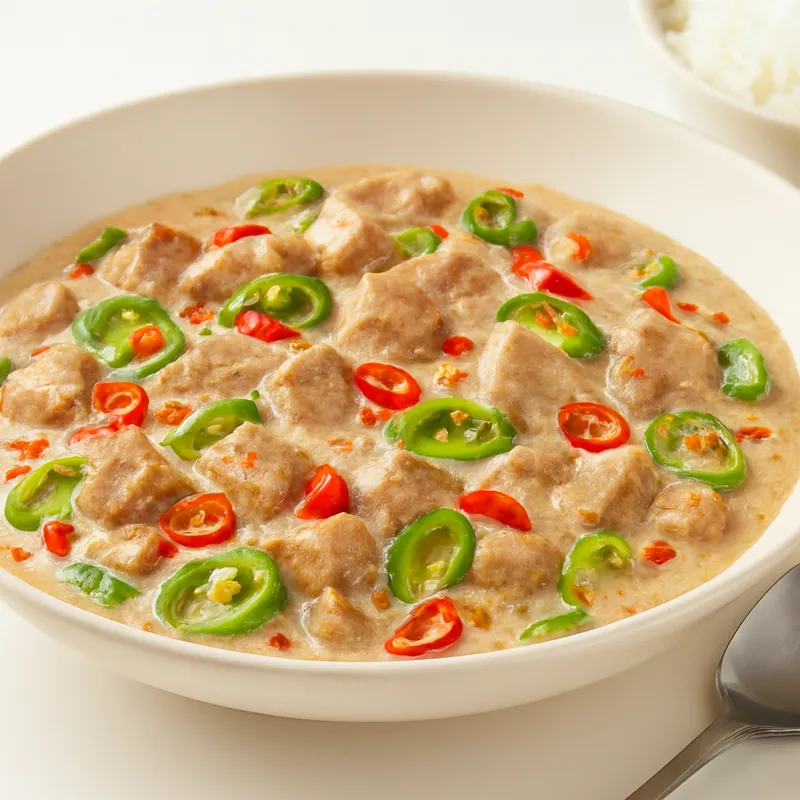
The coconut-and-chili kitchen of Bicol — gata (coconut milk) and fiery siling labuyo in nearly everything. Blazing Bicol Express, taro-leaf laing and pinangat, and coconut-creamed shark kinunot: rich, creamy and hot.
Mountain Igorot kitchen — Pinikpikan ritual chicken, Etag salt-cured pork preserved for years, Tinawon heirloom rice from terraced fields.
How They Cook
Techniques that define this cuisine
Marinating
Marinating infuses meats with complex flavors, seen in the piquant and aromatic chicken inasal.
Grilling
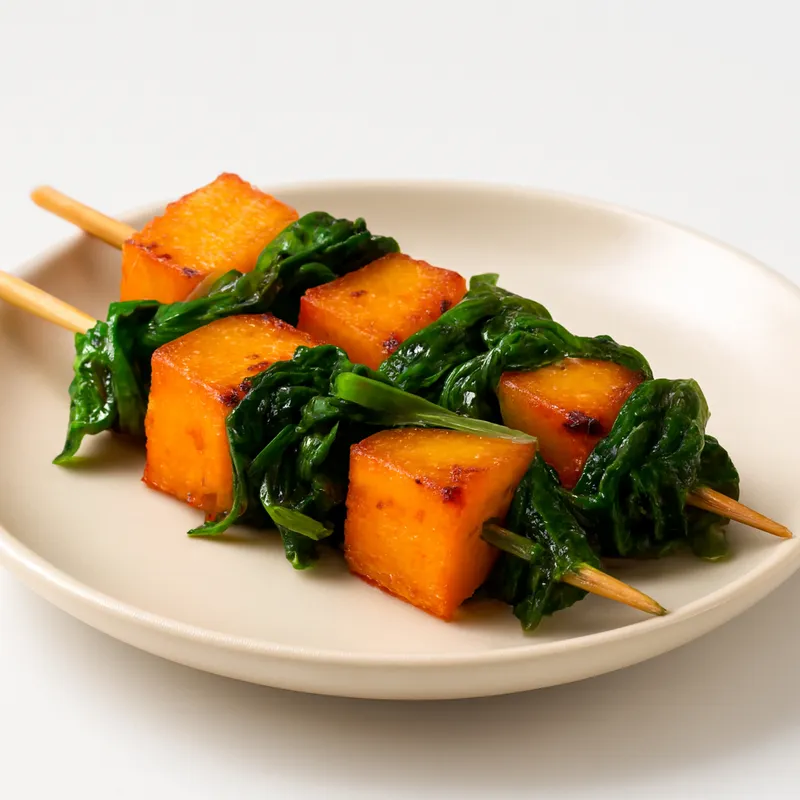
Grilling is a favored technique, imparting smoky flavors to dishes like chicken inasal and barbecue skewers.
Simmering
Simmering gently melds flavors in long-cooked soups and stews, such as kare-kare.
See 17 more techniques›
Sautéing is used to quickly cook and flavor vegetables, often as a preparatory step in dishes like pancit.
Stir frying is a quick method to combine a variety of ingredients in dishes like pancit, ensuring vibrant flavors and textures.
Braising is a key method for tenderizing meats and infusing them with intense flavors, as seen in the classic adobo.
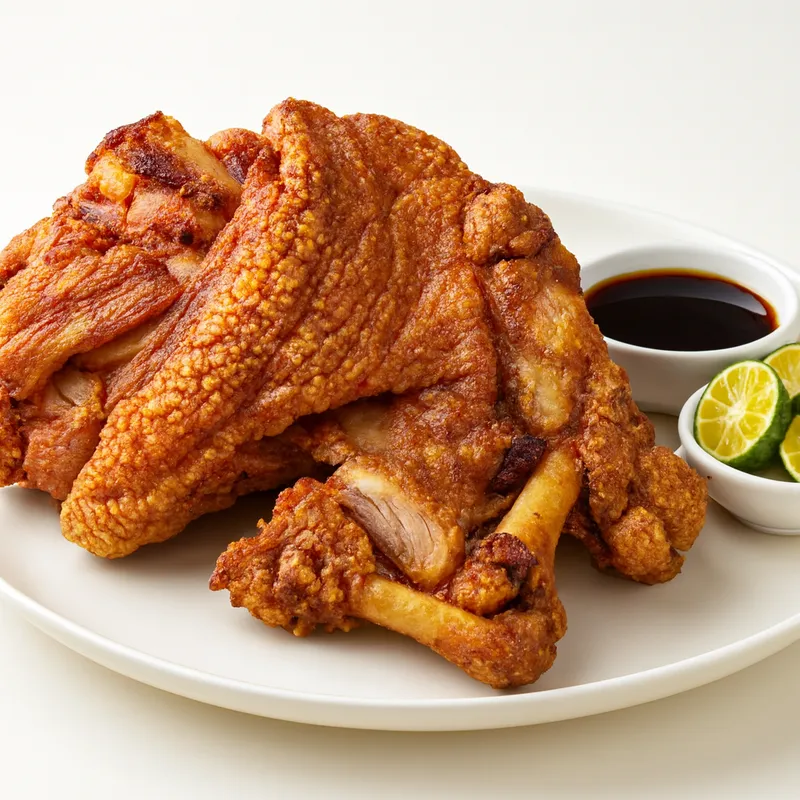
Deep frying in Filipino cuisine creates crispy, golden textures in snacks like lumpia and main dishes such as crispy pata.
Boiling is used to draw out the sourness and depth in broths like sinigang, enhancing the flavors of the meat and vegetables.
Emulsification is employed in Filipino sauces, blending vinegar and oil to create balanced dressings for dishes like kinilaw.
Fermentation plays a role in creating tangy, preserved flavors in Filipino delicacies such as bagoong and atchara.
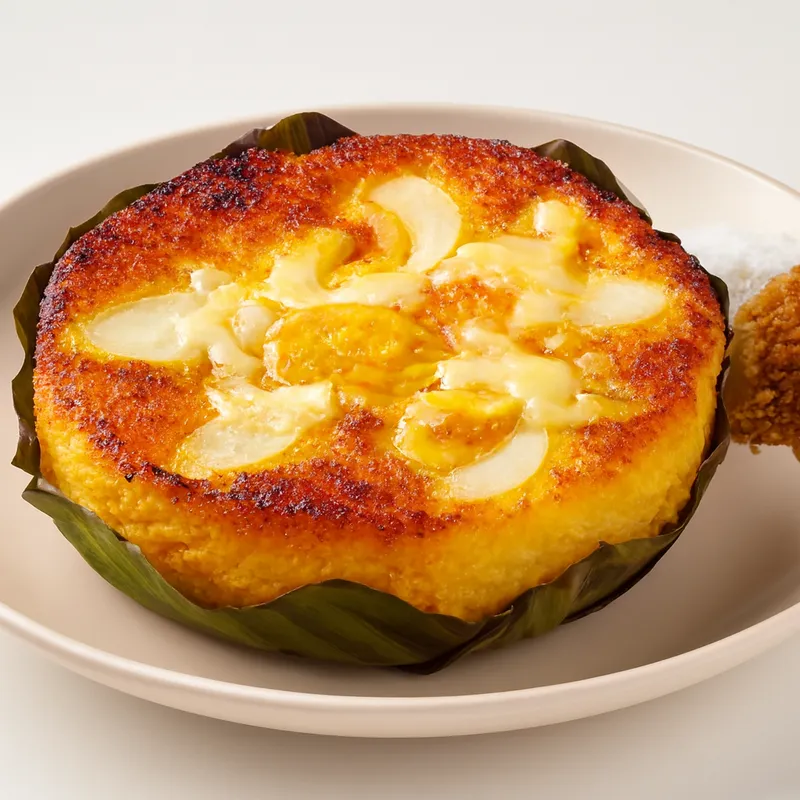
Filipino baking often involves creating rich, sweet breads and pastries, such as bibingka, using native ingredients like rice flour and coconut milk.
Roasting achieves the succulent and crispy skin in lechon, a staple of Filipino celebrations.
Kindred Kitchens
Cuisines built on the same signature ingredients
Signature Dishes (173)
Browse all 173 dishes›
Drinks
7


Starters
7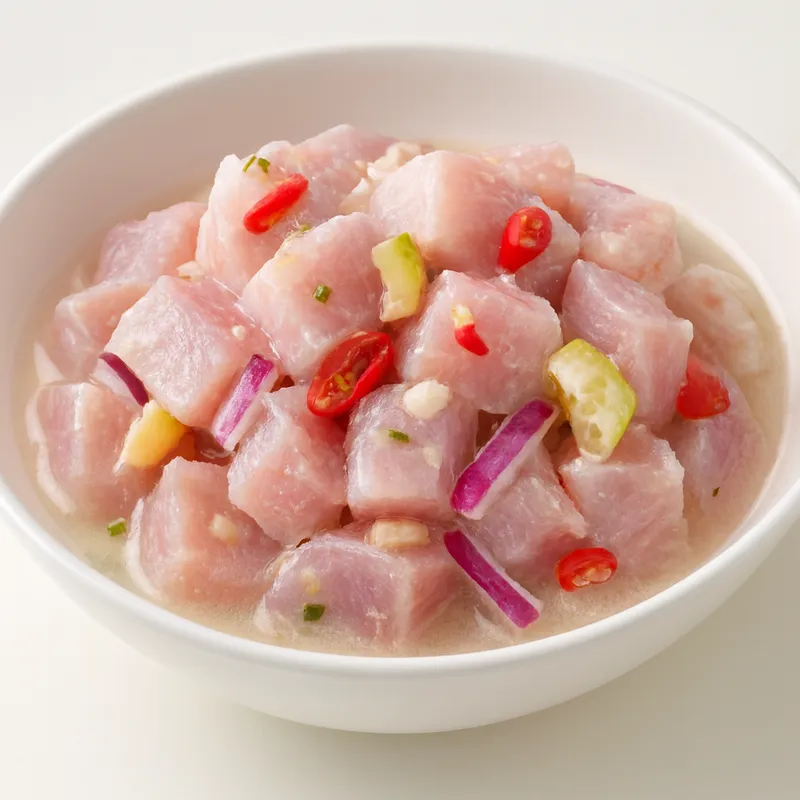
Soups
16

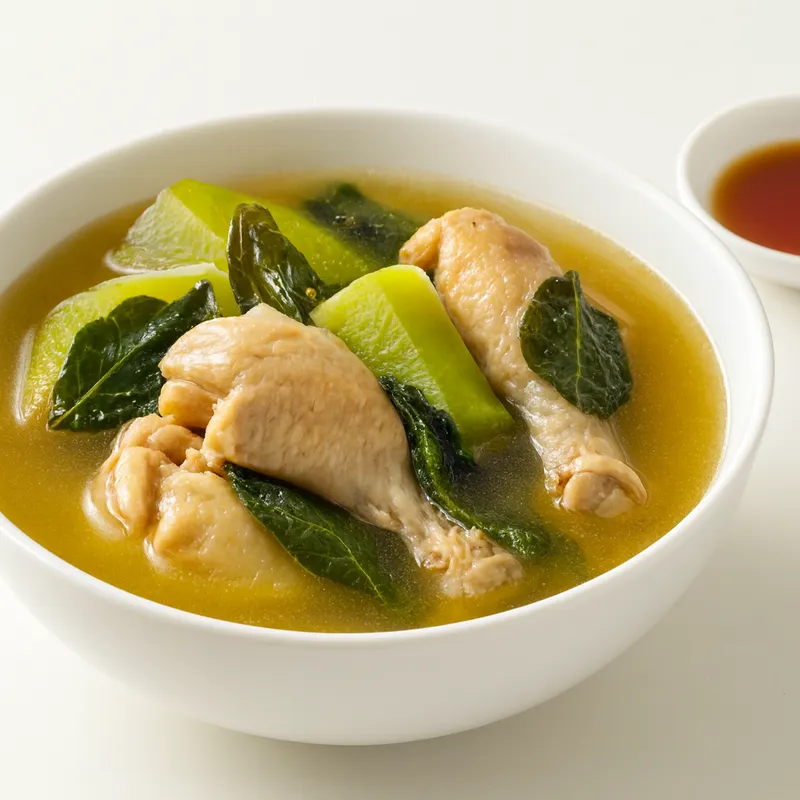
Mains
71