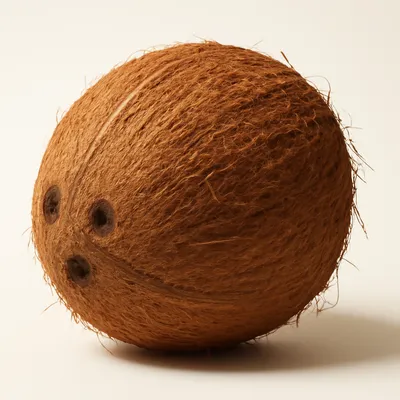
Coconut offers a rich, tropical essence with a combination of creamy sweetness and a subtle nuttiness. Its versatile qualities make both the water and flesh indispensable in a variety of culinary applications.
Where it comes from
Coconut is believed to have originated in the Indo-Pacific region, playing a significant role in the cuisines of tropical cultures worldwide. Its historical use spans centuries, from food to traditional medicine.
In the kitchen
Coconut can be used fresh, grated, or as milk, adding depth and richness to curries, desserts, and beverages. Its unique flavor enhances both sweet and savory dishes, making it a global kitchen staple.
Across cuisines
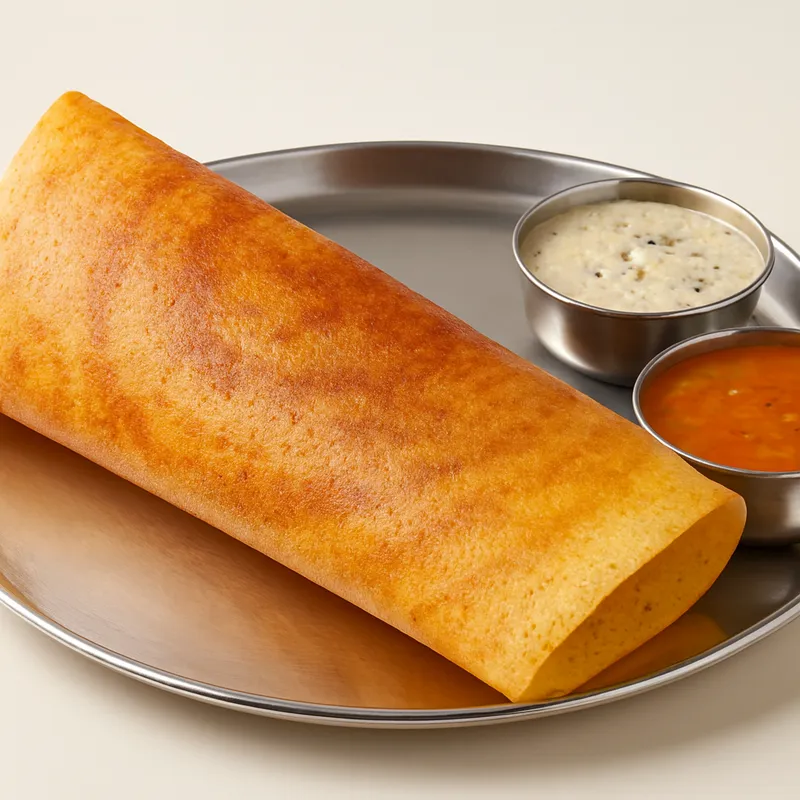
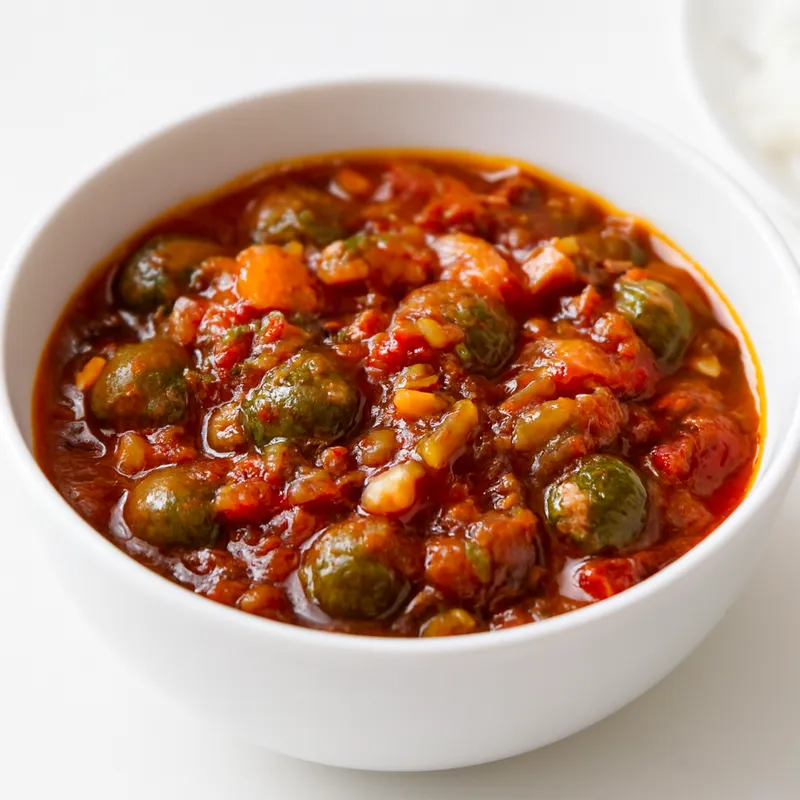
In Indian cuisine, coconut is often grated and blended into pastes or chutneys. Fresh coconut is a key ingredient in dishes like coconut chutney, where it is combined with spices and herbs to create a thick, flavorful paste. It is also used in curries and stews, providing a creamy texture and a subtle sweetness.
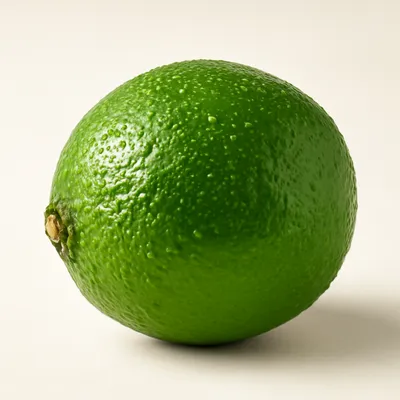
Sri Lankan cuisine prominently features freshly grated coconut, often used raw. It is a primary component in pol sambol, where it is mixed with chili, lime, and onion to create a vibrant condiment. This raw preparation preserves the coconut's natural flavor and texture, adding freshness to the dish.
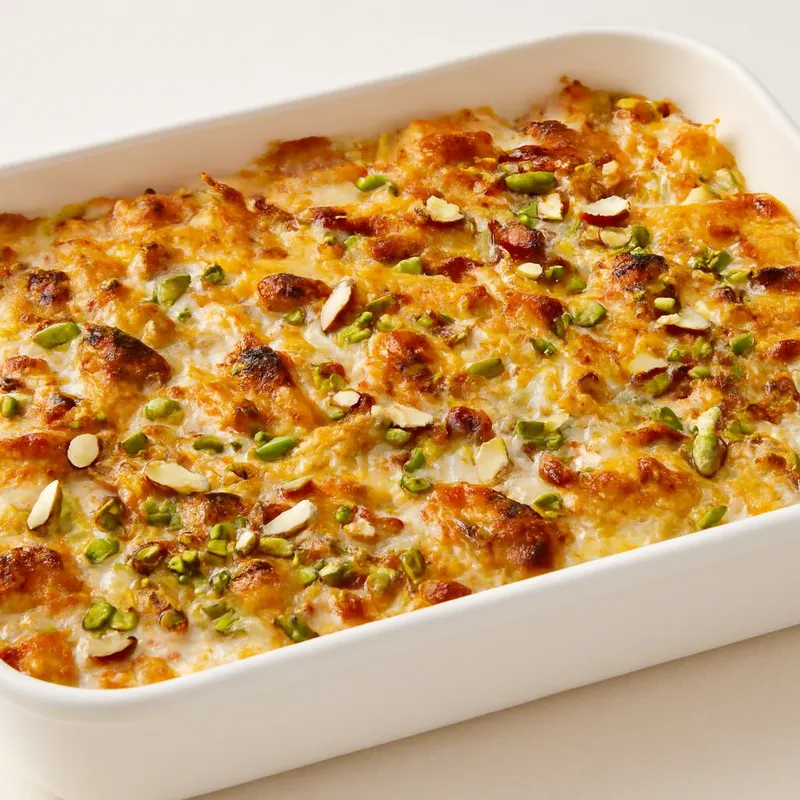
Coconut (and its milk) is the Polynesian foundation of haupia — the Hawaiian coconut pudding cut into squares for luau dessert. Also folded into the lau lau pork-and-fish parcels wrapped in ti leaves, and used to sweeten the kulolo taro-and-coconut pudding. The shift from canned to fresh coconut milk is the marker of a serious Hawaiian kitchen.
Nutrition (per 100g)
AI-estimated; model and run unavailable.