Coconut Milk
The creamy lullaby that sings tropical dreams into any dish.
Creamy extract from grated coconut flesh; richly fatty with sweet tropical character.
Where it comes from
Coconut milk has been used for centuries in tropical cultures, stemming from the coconut palm, which holds cultural and culinary significance across many regions.
In the kitchen
Coconut milk serves as a base for curries, soups, and desserts, providing creaminess and depth while balancing spices with its natural sweetness.
Across cuisines
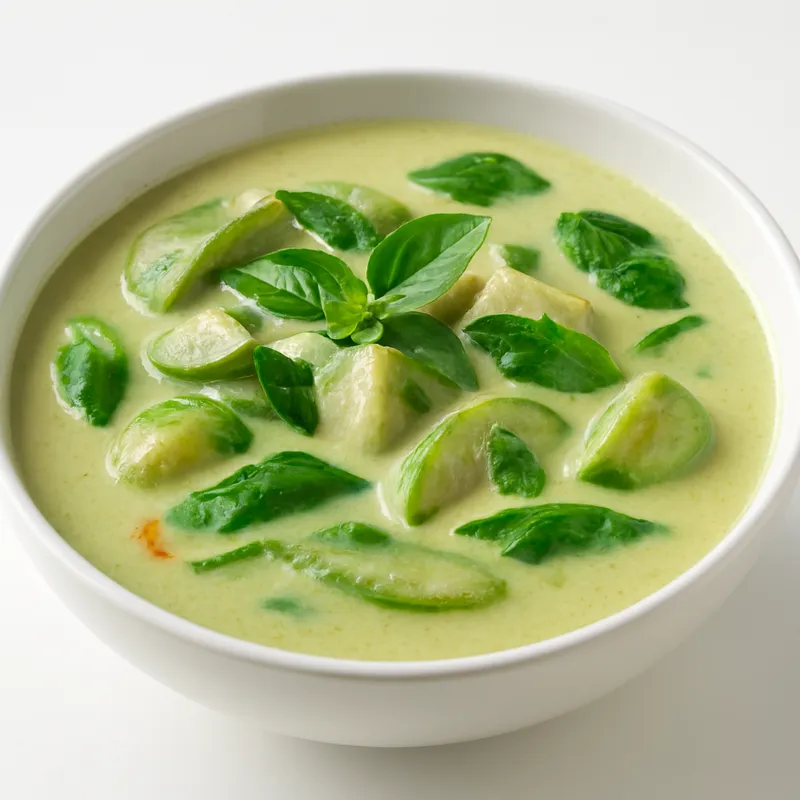
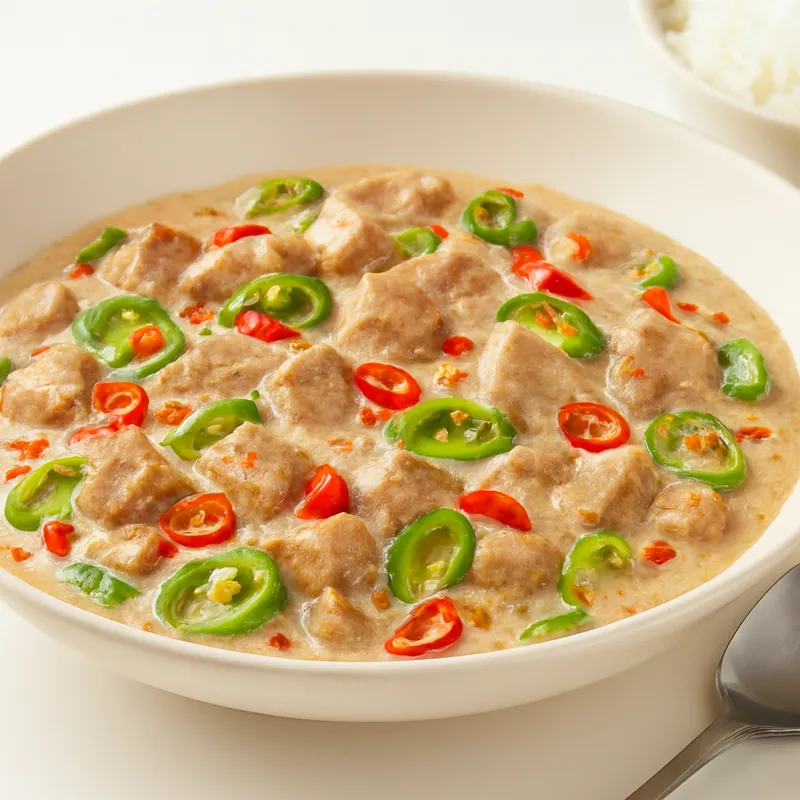
Thai curry pastes are fried directly in the fat layer of split coconut cream (hua kathi) before liquid is added—this blooms the paste without oil and produces the oiled surface (mun) that signals a finished curry. Gaeng keow wan and panang use full-fat coconut milk for body; choo chee pla reduces it to a dense, near-dry coating for pan-fried fish. Tom kha gai uses thin milk as a soup base, never reduced to paste.
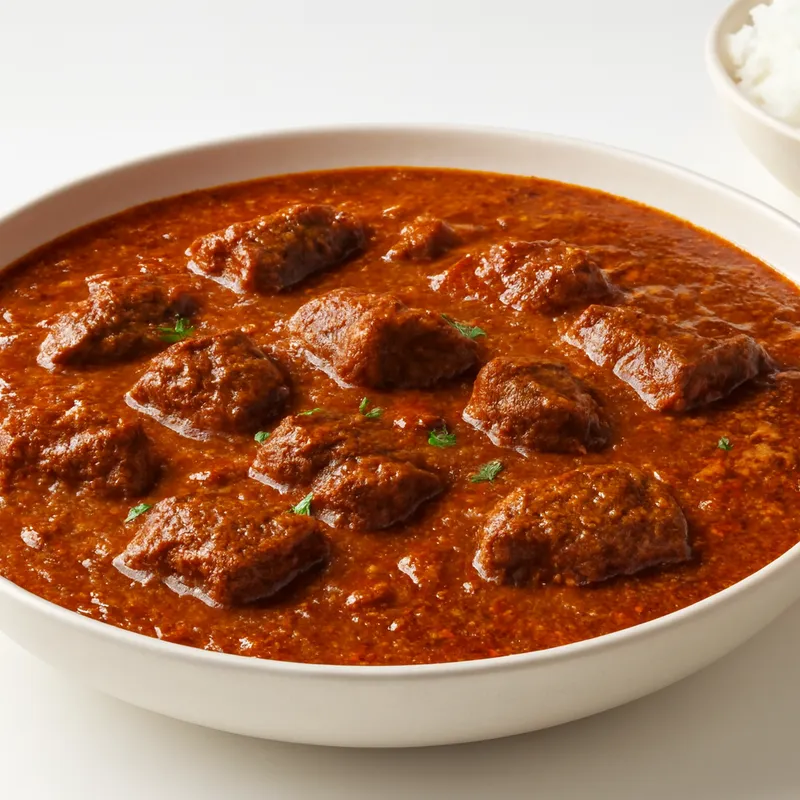
Rendang begins with full coconut milk that cooks down over 4–6 hours until water evaporates and the meat fries in residual coconut oil—the Padang technique called kalio at the mid-stage. Gulai (Padang yellow curry) stays liquified. Balinese bebek betutu wraps spiced duck in banana leaf, coconut milk providing fat moisture during slow roasting. Soto ayam uses thin coconut milk to enrich turmeric broth.
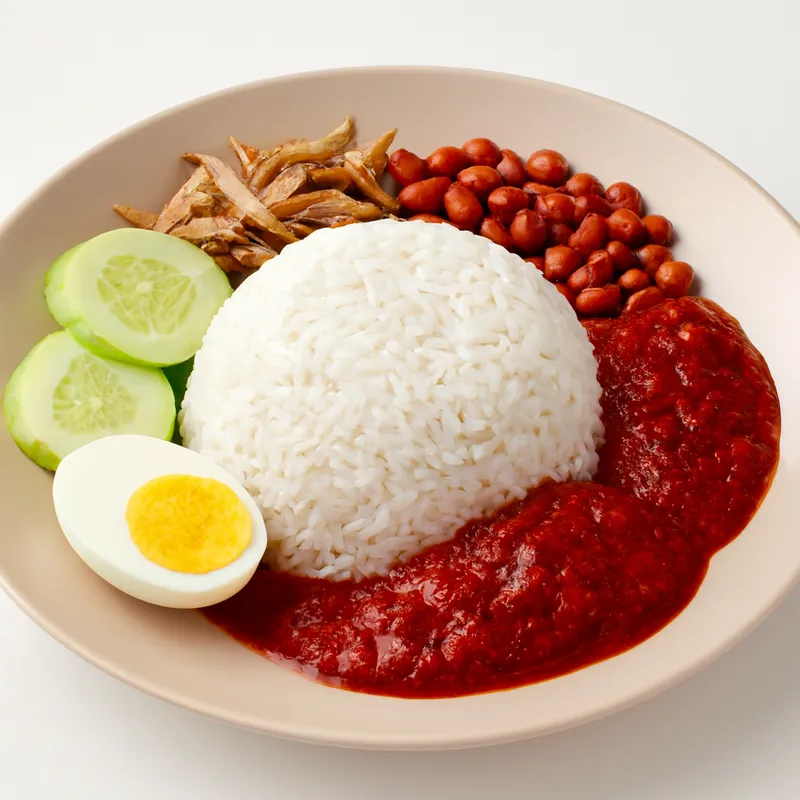
Nasi lemak simmers long-grain rice in coconut milk with pandan and screwpine, producing a fragrant, slightly sticky grain. Curry laksa (Peranakan) uses a blended coconut-milk-and-stock base kept opaque; assam laksa is tamarind-based and is served without coconut milk, marking a clear regional divide. Beef rendang follows the same Malay technique as Padang-style, reducing to dry.
Notable varieties
First pressing of grated flesh without water added. Fat content 20–24%. Used for frying curry pastes, as a sauce topper, and in desserts where a richer, thicker result is needed.
Second or third pressing with added water. Fat 5–10%. Used in soups, braises, and steamed dishes where a lighter body is preferred. Not suitable for splitting to fry pastes.
Nutrition (per 100g)
AI-estimated; model and run unavailable.
Pairs well with