Coconut-milk chicken soup built on bruised galangal, lemongrass, and torn kaffir lime leaf, finished with lime juice, fish sauce, fresh chiles, and straw mushrooms.
Tom kha gai belongs to the Central Thai canon and is the milder coconut-milk cousin of tom yum. It evolved alongside the broader gaeng (curry-soup) tradition, drawing on Thailand's coconut-growing south and the galangal that grows in the central plains. Unlike tom yum, which is pungent and chile-forward, tom kha is built around the cooling effect of coconut fat carrying acid and salt — a soup served alongside fiery dishes to give the palate somewhere to rest.
The mild coconut cousin of tom yum, built around galangal (kha) carrying acid and salt. Galangal is not a milder ginger — it's piney and faintly soapy, and ginger cannot supply it. Coconut milk goes in with the stock from the start; lime juice goes in only after the pot leaves the heat or it turns flatly bitter.
An ivory-pale broth, almost milky, with an oily-citrus shimmer on top. The first sip is coconut-soft on the tongue, then galangal — sharper and more pine-resinous than ginger — cuts through, then the lime hits late. The chicken is tender; the bruised chiles are there for fragrance more than heat. If the soup tastes flat-sweet with no citrus snap, the cook killed the lime by adding it before the heat went off.
Galangal (kha) is not a milder ginger — it's a different rhizome with a piney, soapy note that ginger cannot supply. Substitution kills the dish. The coconut milk must be added with the stock from the start, not at the end like in some curries — extended simmering thickens it slightly without breaking, giving the soup body. Lime juice goes in only after the pot leaves the heat: cooked lime turns flatly bitter, raw lime keeps its top-note brightness.
Variations
Tom kha het uses oyster mushroom for the vegetarian temple version; Bangkok hotel restaurants run a tom kha pla salmon adaptation; Issan cooks drop the coconut and call the result tom yum lao; cooks on Thailand's eastern seaboard add a sour leaf called bai chamuang (Garcinia cowa) for an extra acid layer.
On the Palate
Where Tom Kha Gai sits in the Thai flavor cloud
Ingredients
Serves 4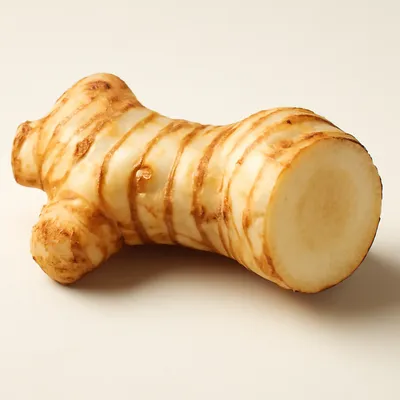




How it's made
5 steps · 25 min active + 5 min waiting
- 15 min
Slice 80g fresh galangal (kha) into 3mm coins. Bruise 3 lemongrass stalks (white parts only) with the back of a knife and cut into 4cm sections. Tear 8 kaffir lime leaves (bai makrut), removing the central stem.
- 28 min
Bring 400ml chicken stock and 400ml coconut milk to a gentle simmer. Drop in galangal, lemongrass, and lime leaves. Simmer 8 minutes — the broth turns pale yellow and smells of pine and citrus peel.
Watch outUse galangal, never ginger — its piney, faintly soapy note is the backbone of the soup; swap in ginger and the dish is gone.
- 38 min
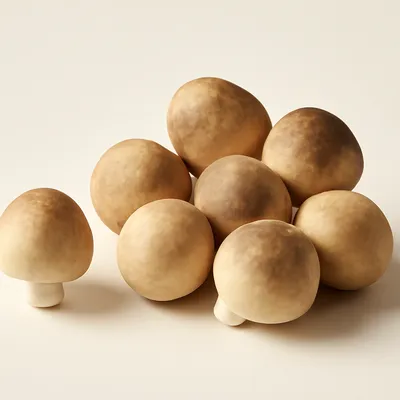
Add 400g chicken thigh sliced 5mm thick across the grain and 150g halved straw mushrooms. Simmer 6-8 minutes — chicken just cooked, no pink at the bone, broth never boils hard.
Watch outKeep it at a bare simmer with the coconut milk in from the start — a hard boil splits the coconut fat into greasy specks.
- 42 min
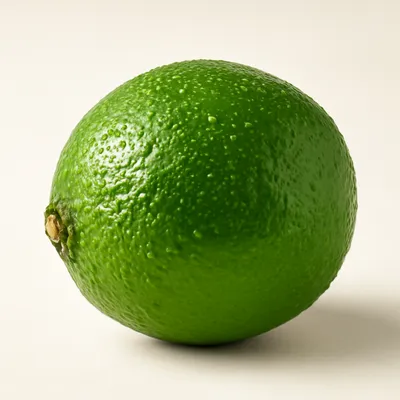
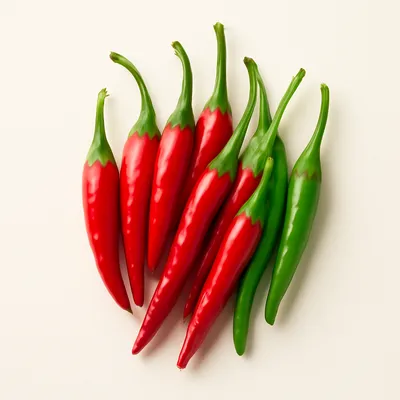
Off heat. Add 4 tbsp fish sauce (nam pla), 3 tbsp lime juice, 4-6 bird's-eye chiles bruised but whole, and 1 tsp palm sugar. Taste — should be salt-first, sour-second, with sweet shadow underneath; fix with more lime or fish sauce.
Watch outPoach the chicken just until no pink remains — the broth must never boil hard or the meat goes tough and the coconut breaks.
- 52 min
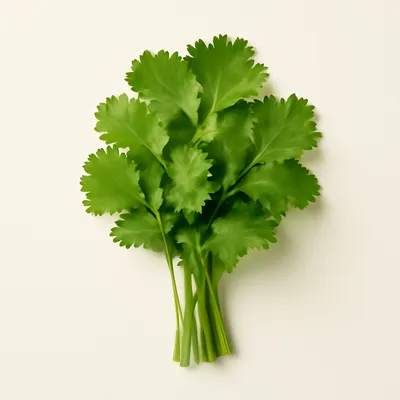
Ladle into bowls. Scatter cilantro leaves and a few rings of red chile. The galangal and lemongrass stay in — they are flavor, not garnish; you eat around them.
Watch outStir the lime juice in only after the pot is off the heat — cooked lime turns flatly bitter and loses all its brightness.
Archive tool suggestions — not reviewed
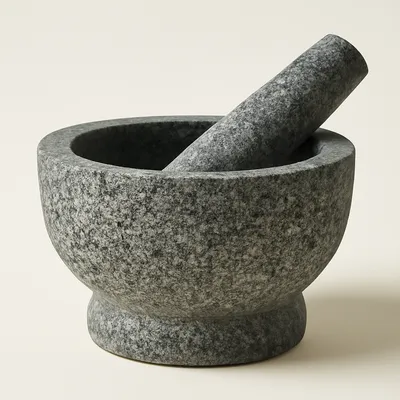
These legacy suggestions have not been evidence-reviewed and are not presented as required tools.