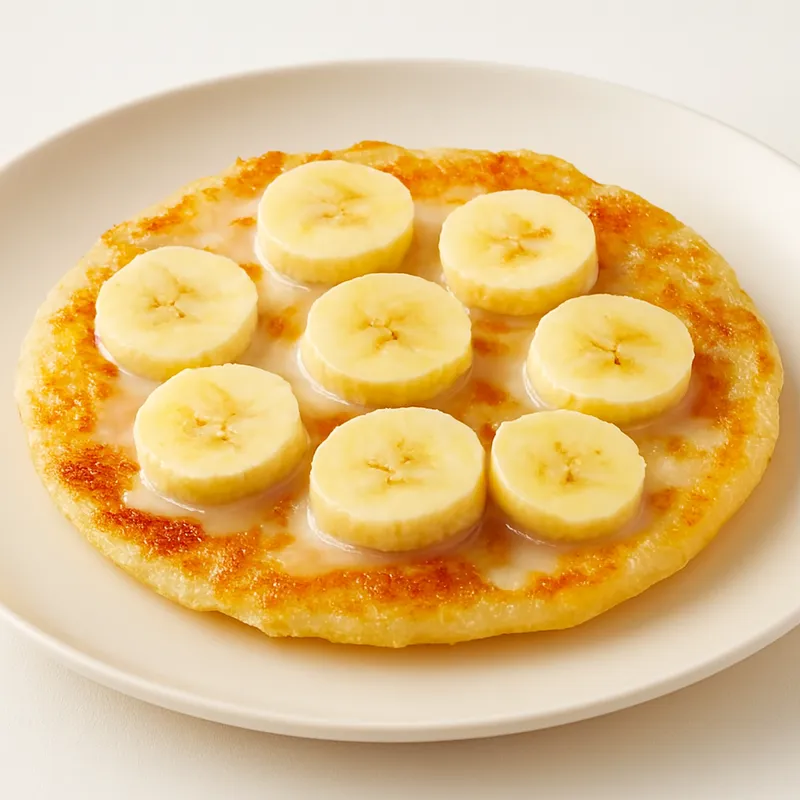
Kluay tod is a pan-Thai street snack of battered, deep-fried banana, sold warm from market stalls in the morning and afternoon. It is made from a firm cooking banana — most often kluay nam wa or the variety called kluay khaek ("Indian banana") — which is sliced or pressed flat, dipped in a batter of rice flour cut with grated mature coconut and white sesame, then fried until deep golden and crunchy. The same name, kluay khaek, is used both for the fritter and as a shorthand on vendor signs. The crust is thin and lacy rather than puffy, and the snack is eaten hot, often within minutes of leaving the oil.
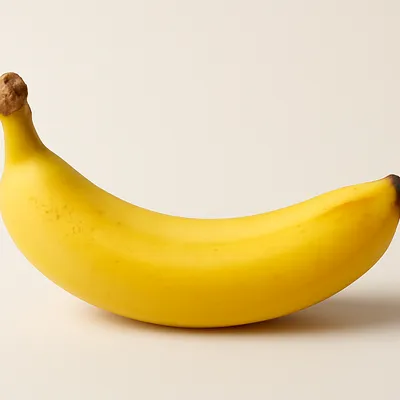


Kluay tod is a long-established and ubiquitous Thai market and street snack rather than the creation of any single recorded cook, and its precise origin is undocumented. The Thai name kluay khaek pairs kluay ("banana") with khaek, a colloquial term historically applied to South Asians, Muslims and people of Indian or Hindu background — by which account the fritter is said to derive from a batter-frying technique introduced by such traders, though this name-origin is folk rather than firmly documented. The dish relies on firm, starchy cooking cultivars — chiefly kluay nam wa and the cultivar sold as kluay khaek — rather than soft dessert bananas. Battered fried banana is common across Southeast Asia, appearing in Malaysia and Indonesia as pisang goreng and in the Philippines in related forms.
The first bite shatters: a thin, lacy crust studded with shredded coconut and sesame, fried crisp and faintly toasty. Inside, the cooking banana has gone soft and dense, its starch turned sweet and lightly caramelized at the edges where it met the batter. It is eaten hot from the oil, sweet with a clear undertone of salt, the toasted sesame the last note on the tongue.
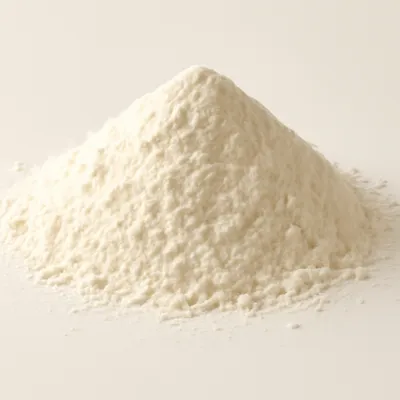
Rice flour is the key to the crust: low in gluten and high in straight-chain starch, it fries into a thin, glassy, low-oil shell rather than the soft puff a wheat-flour batter gives, and it stays crisp longer. Shredded mature coconut and sesame are suspended in the batter to build a lacy, open texture and to toast as they fry, contributing aroma. A little sugar in the batter, plus the banana's own starch, browns at the surface through caramelization and Maillard reactions. The banana must be a firm, starchy cooking cultivar (kluay nam wa or kluay khaek) — a soft dessert banana holds too much water and slumps or dissolves in the oil. Oil is held at roughly 170–180°C: hot enough to set and crisp the crust fast, but not so hot that the coconut and sesame scorch before the banana cooks through. Some cooks add a little limestone (pickling-lime) water to the batter; the calcium it supplies firms the starch network for an even crisper, sturdier crust.
Variations
The most common form is plain kluay khaek, the "Indian banana" fritter described here. The same batter and oil are used for other starchy vegetables sold at the same stall — sweet potato, taro and pumpkin fritters are fried alongside, and some vendors also drop in jackfruit. A distinct, non-fried cousin is kluai buat chi, in which banana is simmered in lightly salted, sweetened coconut milk into a soft, soupy dessert rather than battered and fried.
On the Palate
Where Kluay Tod sits in the Thai flavor cloud
Ingredients
Serves 4

How it's made
7 steps · 15 min active + 5 min waiting
- 13 min
Sift rice flour into a bowl (add a spoon of wheat or tapioca flour for extra crisp if you like), then stir in shredded mature coconut, white sesame, sugar and a pinch of salt.
- 23 min
Whisk in cold water — and a splash of limestone water if using — to a batter that is thick but still pourable, coating the back of a spoon; let it rest a few minutes.
Watch outWhisk the rice-flour batter thick but still pourable, coating the back of a spoon — rice flour fries into a thin, glassy shell that stays crisp, unlike a soft wheat puff.
- 34 min
Peel firm cooking bananas (kluay nam wa or kluay khaek) and slice each lengthwise into thin pieces, or press gently to flatten.
- 43 min
Heat frying oil to 170–180°C in a deep, heavy pan.
- 53 min
Dip each banana slice in the batter to coat, let the excess drip off, and slide it into the oil without crowding the pan.
Watch outHold the oil at 170-180 degrees when the slices go in — too cool and the shell drinks oil, too hot and it browns before the banana softens.
- 64 min
Fry, turning regularly, until deep golden and crisp, about 3–4 minutes.
- 71 min
Lift onto a rack to drain, scatter with extra sesame, and serve warm.