The fanned form of Indonesia's ubiquitous fried banana, and the one most street vendors sell: a ripe banana is sliced partway through and pressed open into a fan so it spreads thin, then dipped in a light batter and deep-fried until the outside is crisp and golden and the fruit inside turns soft, fragrant and jammy-sweet. The fan shape gives more surface area, so more of each banana crisps up. Sold from every gorengan cart and warung in the country, it is the default companion to afternoon coffee or tea. Firm cooking bananas such as pisang kepok or pisang raja hold their shape in the oil; the batter is barely sweet, letting the caramelized fruit carry the flavor. It is eaten plain, hot from the fryer, or gilded with cheese, chocolate or palm-sugar syrup.
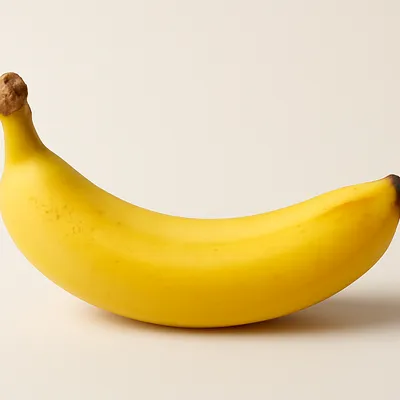

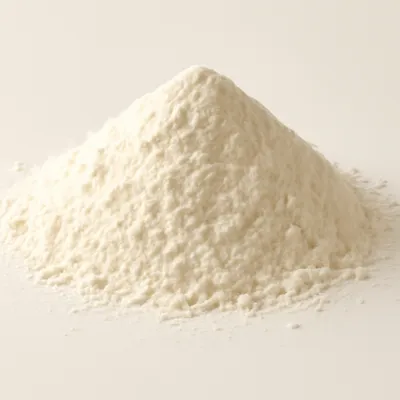

Pisang goreng is a folk snack found across maritime Southeast Asia wherever bananas grow, and in Indonesia it is a cornerstone of the gorengan tradition of fried street snacks. As an everyday dish made from one of the region's most abundant fruits, it has no single origin story or date; frying battered fruit is a simple, old kitchen practice. What is distinctive is the Indonesian breadth of styles — from the plain battered slice to pisang molen wrapped in pastry and the trendy 'pisang goreng nugget' — and its place as the nation's go-to teatime bite.
The shell shatters with a dry crackle, thin and lacy, giving way to fruit that has gone soft and almost molten, its sugars deepened by the heat into a honeyed, slightly caramel sweetness. A good one is crisp outside and never greasy, the banana fragrant and yielding without falling apart. Eaten straight from the oil it is plain comfort; topped with grated cheese and chocolate or drizzled with palm sugar, it tips fully into dessert.
Ripe bananas are high in sugar, and in the fryer that sugar caramelizes and the fruit's moisture turns to steam, softening the flesh while concentrating sweetness. The batter, lightened with a little rice flour or cornstarch, holds less water than a pure-wheat batter, so it dehydrates into a thinner, crisper crust that does not go soggy. The crust seals in the fruit's steam, cooking it through to a tender, jammy interior. Hot, fairly deep oil sets the coating fast before the sugary fruit can scorch.
Variations
Beyond the fanned style, a banana left whole gives the plain version; pisang molen wraps the fruit in a thin pastry ribbon; pisang goreng pasir (sand-fried) uses a crumb coat; and the modern 'pisang nugget' is breaded in cubes. Toppings have multiplied into grated cheese, chocolate sprinkles, condensed milk and palm-sugar syrup. In Manado the cousin pisang goroho is fried green and eaten savory with chili dip.
On the Palate
Where Pisang Goreng Kipas sits in the Indonesian flavor cloud
Ingredients
Serves 4How it's made
8 steps · 15 min
- 15 min
Peel ripe cooking bananas, slice partway through lengthwise and press open into a fan.
Watch outUse ripe cooking bananas — their sugar caramelizes and the flesh goes jammy inside the crisp shell; underripe fruit stays starchy and bland.
- 23 min
Whisk flour, a little rice flour, sugar, salt and water into a thin batter.
- 33 min
Heat oil in a deep pan to medium-high for frying.
Watch outGet the oil properly hot before frying — hot oil sets the batter fast before the sugary banana can scorch, and keeps the crust crisp not oily.
- 42 min
Dip each banana piece in the batter to coat.
- 55 min
Lower into the hot oil and fry until golden and crisp on both sides.
- 61 min
Drain on paper towels.
- 71 min
Optionally top with grated cheese, chocolate or palm-sugar syrup.
- 81 min
Serve hot with coffee or tea.


