Padang green chili sambal — large green chilies (with some green bird's eye for extra heat), shallots, garlic and green tomato, steamed or briefly sautéed then coarsely pounded with salt and a little lime — the bright, intensely spicy Minangkabau green sambal that accompanies every Padang plate.

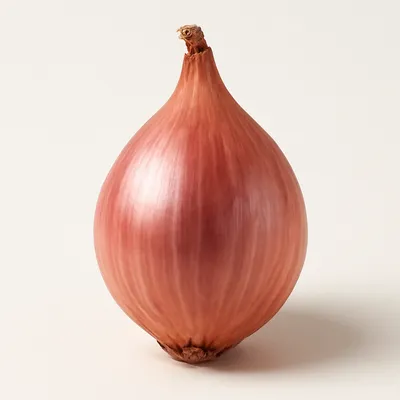



Sambal Lado Mudo ('young chili sambal' in Minang) is the iconic green sambal of West Sumatran cuisine — found at every Padang restaurant alongside the red sambal balado. The dish uses unripe green chilies and green tomatoes (lado mudo = 'young/green chili' in Minangkabau) for a fresher, more-vegetal heat than red chili sambals; it traces to Riau Malay green sambal before becoming a Padang staple. The brief sauté + coarse-pound method preserves the chili's bright character while developing fragrance.
A teaspoon of sambal lado mudo with a bite of rice is a green-chili revelation: bright fresh-grassy heat, kaffir lime's citrus pop, garlic-shallot underneath. The texture is coarse-chunky (not smooth like commercial sambals), letting each chili piece deliver heat individually. Eat with rendang or gulai for the Padang signature: rich meat + bright green heat. The dish builds slowly across courses — 3-4 teaspoons over a meal is normal.
Green chilies' heat comes from immature capsaicin compounds that have a sharper, more-vegetal character than red chili's developed heat. The brief sauté (not raw) is critical — raw green chilies have a harsh-grassy bite; cooking 3 min mellows them while preserving freshness. Pounding (rather than blending) keeps the texture coarse, which Indonesians prefer for textural interest.
Variations
Padang canonical with green bird's eye + kaffir lime + lime; Bukittinggi variant adds petai (stink bean) for funky depth; modern Indonesian-American restaurants offer 'Sambal Hijau' (mild green sambal with more shallot); commercial pre-made green sambal exists; the dish is naturally vegan.
On the Palate
Where Sambal Lado Mudo sits in the Indonesian flavor cloud
Ingredients
Serves 6


How it's made
6 steps · 20 min active + 5 min waiting
- 13 min
Wash 15 green bird's eye chilies + 3 large green chilies; remove stems. Slice coarsely.
- 25 min
In a wok, heat 4 tbsp neutral oil over medium-high heat. Add the chilies + 4 shallots (sliced) + 4 garlic cloves (crushed); stir-fry 3 min until they soften and lose their raw smell.
Watch outStir-fry the chilies, shallots and garlic about 3 minutes until they wilt and lose that raw grassy smell — under-cooked they bite harsh, but push too far and you cook out the fresh green lift.
- 37 min
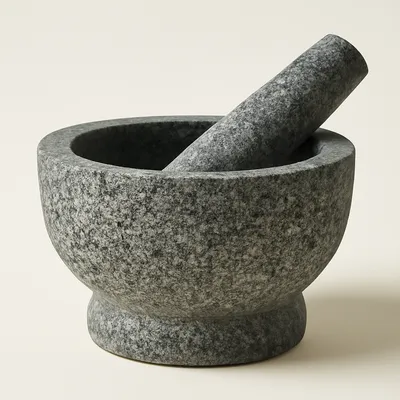
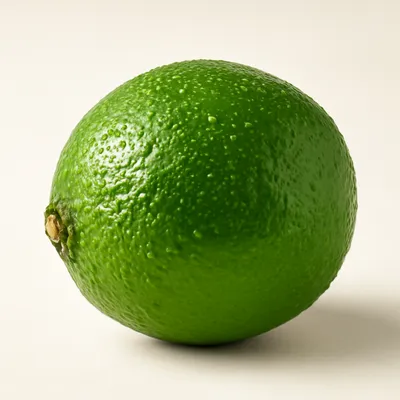
Off heat. Transfer to a stone mortar (or food processor pulsed briefly). Add 1 tsp salt + 4 kaffir lime leaves (torn) + 1 tbsp lime juice. Pound to a coarse paste (don't fully purée — texture matters).
Watch outPound to a coarse, still-chunky paste — Padang sambal wants visible bits for texture, so stop well before it turns to a smooth purée.
- 41 min
Optional: add 1 tbsp coconut oil + 1 tsp fish sauce (canonical Padang touch).
- 53 min
Cool slightly. Sambal should taste vibrant, hot, slightly herbal, with lime brightness.
- 61 min
Serve in small bowls alongside Padang main dishes (Gulai Ayam, Rendang, Dendeng Balado). Keeps refrigerated 3-4 days; freshness fades after 24 hours.
Archive tool suggestions — not reviewed
These legacy suggestions have not been evidence-reviewed and are not presented as required tools.