
Jakarta-Betawi coconut-rice plate — long-grain rice cooked in coconut milk + pandan + lemongrass + salam leaves until fragrant and slightly sticky, served as the centerpiece of a multi-component Betawi plate with semur (sweet soy braised beef or jengkol), telur balado (chili-fried egg), tempe orek (sweet-spicy tempeh), bihun goreng (fried vermicelli), and sambal kacang (peanut sambal). Jakarta's beloved breakfast and lunch.
Nasi Uduk is to Jakarta what nasi liwet is to Solo — the everyday coconut-rice plate that defines local breakfast/lunch identity. Distinct from Nasi Liwet Solo by: (1) more coconut-forward flavor, (2) Betawi-specific accompaniments (telur balado, semur jengkol), (3) typically wrapped in paper or banana leaf as 'nasi uduk bungkus' (parcel) for portable eating. The 'Nasi Uduk Kebon Kacang' lineage in central Jakarta traces back to the 1930s — when a law school in Kebon Kacang drew students and clerks, prompting Betawi nasi uduk stalls to open — and rose to fame from the 1970s — Kebon Kacang street is essentially a nasi uduk pilgrimage destination. Modern Indonesian-American versions sometimes simplify to just coconut rice + chicken, but the canonical version is the multi-component plate.
Nasi Uduk is the perfect Indonesian breakfast plate — the rice itself is the star, scented with coconut, pandan, lemongrass, slightly sticky from coconut fat. Take a spoon of rice + a piece of telur balado (the egg yolk's richness collides with the chili sauce's bright heat) + a strand of tempe orek (sweet-spicy crunch) + a few strands of bihun (light textural variety) — every bite is a different combination. Dip into peanut sambal between bites for an extra layer. The cucumber wakes up your palate. The lime resets you. Wash down with kopi tubruk (sweet thick black coffee) and you're ready for a Jakarta morning.
Two key techniques: (1) coconut rice cooking — coconut milk replaces water (or some of it), adding fat-soluble flavor compounds (pandan + lemongrass + salam) directly into each grain. The fat coating prevents sticking despite the higher liquid content; the result is creamy + fragrant + slightly chewy. (2) The 'paket' (plate package) is a composition technique: each accompaniment uses its own bumbu (spice paste) but shares the family-resemblance Indonesian aromatic base. Telur balado uses chili-tomato; tempe orek uses kecap-tamarind; bihun uses garlic-soy. Together they cover sweet, spicy, savory, umami in one plate.
Variations
Kebon Kacang canonical (Jakarta standard, with all accompaniments); 'Nasi Uduk Bungkus' (parcel-style for take-away, wrapped in brown paper); 'Nasi Uduk Komplit' (extras: ayam goreng, ikan goreng, tahu); modern healthy version uses brown rice + skips bihun goreng; vegetarian version replaces telur balado with tahu balado (tofu); some Jakarta lapau still serve 'nasi uduk pakai jengkol' (with stinky fermented jering bean stew).
On the Palate
Where Nasi Uduk sits in the Indonesian flavor cloud
Ingredients
Serves 6











How it's made
8 steps · 25 min active + 35 min waiting
- 15 min
Make coconut rice: rinse 400g long-grain rice; drain. Place in a heavy-bottomed pot or rice cooker. Add 600ml coconut milk + 200ml water + 4 pandan leaves (tied in a knot) + 2 stalks lemongrass (smashed) + 3 salam leaves + 1 tsp salt.
- 228 min
Bring to a boil; reduce to lowest heat; cover; simmer 18 min undisturbed. Turn off heat; let stand covered 10 more min (essential for fluffy texture).
Watch outKeep the heat at its lowest for the full eighteen minutes, then the ten-minute covered rest — this is where fluffy texture is won or lost.
- 314 min
Make telur balado: hard-boil 4 eggs (8 min); peel; deep-fry briefly until skin is wrinkled-golden (1 min). In a small pan sauté 4 sliced shallots + 3 garlic cloves + 4 red chilies (pounded) + 1 tomato (chopped) in 2 tbsp oil 6 min. Add 1 tbsp palm sugar + 1 tsp salt + 2 tbsp tomato sauce + 2 tbsp water. Simmer 3 min. Add the fried eggs; coat in the sauce.
Watch outFry the boiled eggs just until the skins wrinkle and gild, so the balado sauce clings in a glossy coat.
- 412 min
Make tempe orek: cut 200g tempe into matchsticks; deep-fry until golden. Sauté 4 sliced shallots + 2 garlic cloves + 3 sliced red chilies in 2 tbsp oil. Add 1 tbsp tamarind water + 2 tbsp kecap manis + 1 tsp palm sugar; simmer 2 min. Toss with the fried tempe.
- 512 min
Make bihun goreng: soak 100g rice vermicelli 8 min in warm water; drain. Stir-fry with 2 garlic cloves + 1 tbsp kecap manis + 1 egg (scrambled) + 1/2 tsp salt for 4 min.
- 64 min
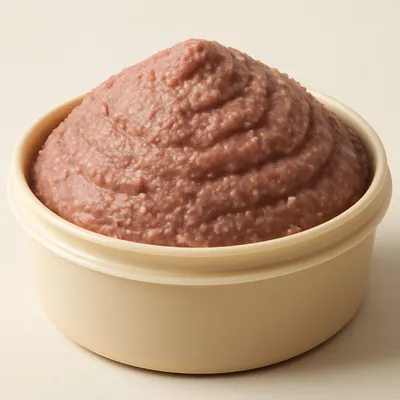
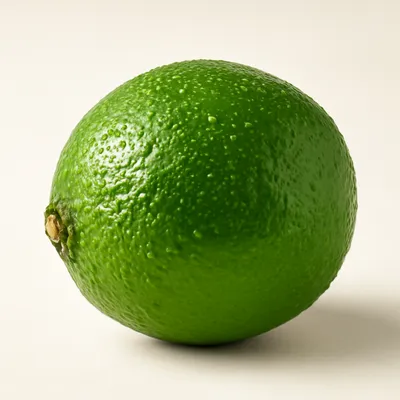
Make sambal kacang: in a mortar pound 80g roasted peanuts + 3 garlic cloves + 4 red chilies + 1 tsp shrimp paste + 1 tbsp palm sugar + 1 tsp salt. Thin with 60ml hot water + 1 tbsp lime juice.
Watch outLoosen the pounded sambal gradually with hot water until it just pours; too thin and it slides off the rice.
- 71 min
Fluff the rice with a fork; remove pandan and salam leaves.
- 85 min
Assemble each plate: scoop coconut rice in center. Around it arrange: 1 telur balado, 2 tbsp tempe orek, 2 tbsp bihun goreng. Drizzle with sambal kacang. Garnish with 2 cucumber slices + 1 tbsp fried shallots + 1 tbsp emping crackers + lime wedge. Eat with the right hand or a spoon.
Archive tool suggestions — not reviewed
These legacy suggestions have not been evidence-reviewed and are not presented as required tools.

The simplest tool in any kitchen: a heavy bowl and a club to bash things in it. Different cuisines use different stones — Thai cooks pound green papaya in a tall granite mortar (krok hin); pesto Genovese requires the soft-pored Carrara marble; Indian masalas grind down on rough basalt. The bash-don't-cut motion releases volatile oils that a blade keeps sealed in the cell wall.

An electric pot with a thermostat that switches off the moment internal temperature exceeds 100°C — meaning the moment all free water has boiled off. Add rinsed rice and water (1:1.2 by volume for short-grain), press start; 25 minutes later it sits in warming mode and stays at 65°C all day. The fuzzy-logic Japanese versions (Zojirushi, Tiger) cook brown rice, sushi rice, and porridge with separate algorithms for each.


