Shrimp Paste
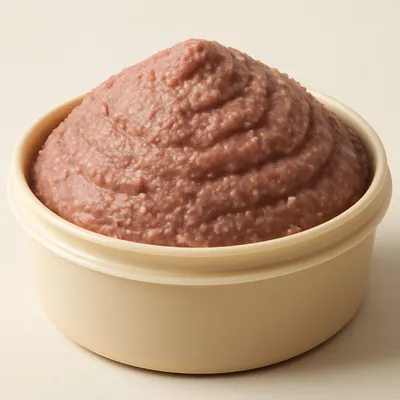
Shrimp paste exudes a strong, briny aroma that hints at the ocean's depths, with a savory richness that transforms dishes. Its pungent flavor profile adds umami depth, making it an essential ingredient in Southeast Asian cooking.
Where it comes from
A traditional condiment in Southeast Asia, shrimp paste has roots in various culinary traditions, from Thai to Filipino. Known as 'bagoong' in the Philippines, it has been used for centuries as a flavor enhancer.
In the kitchen
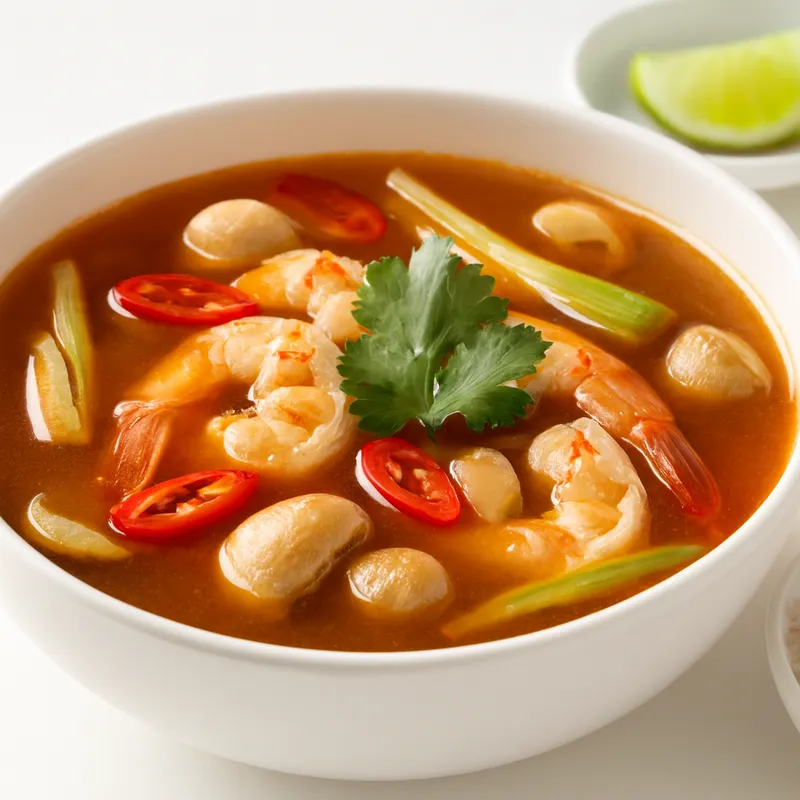
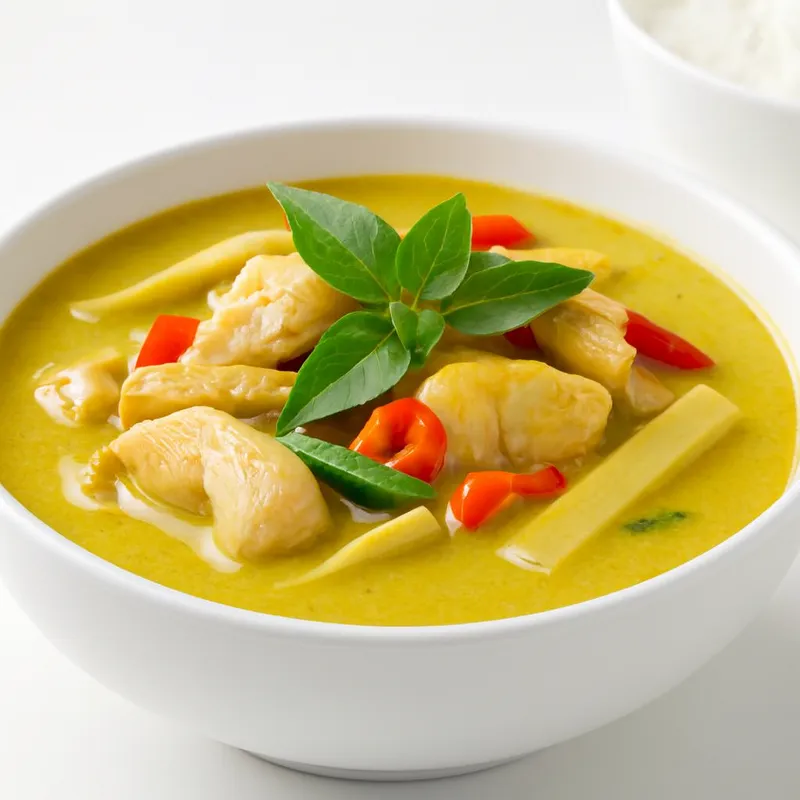
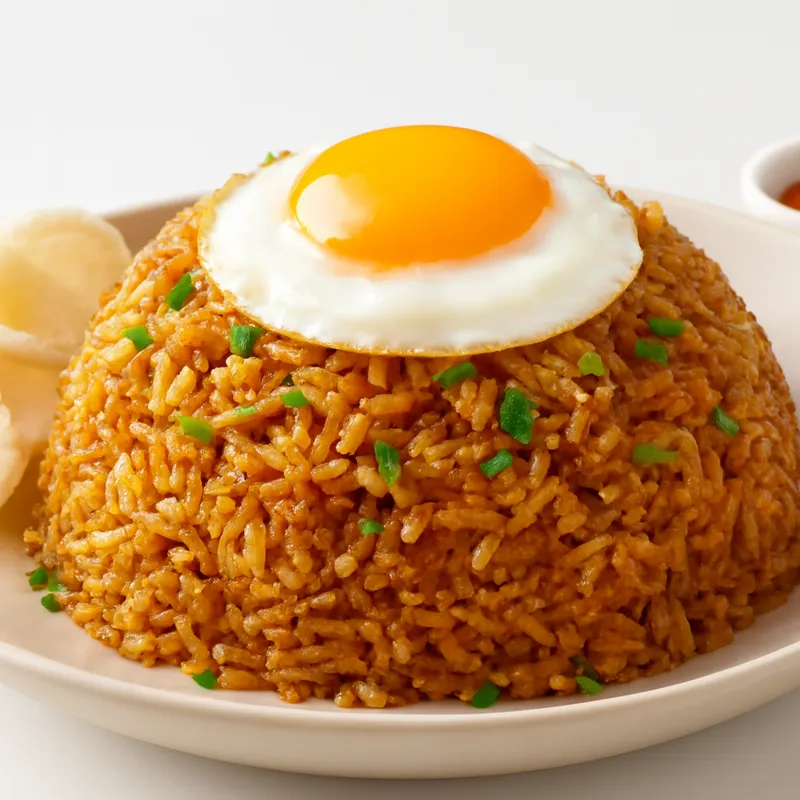
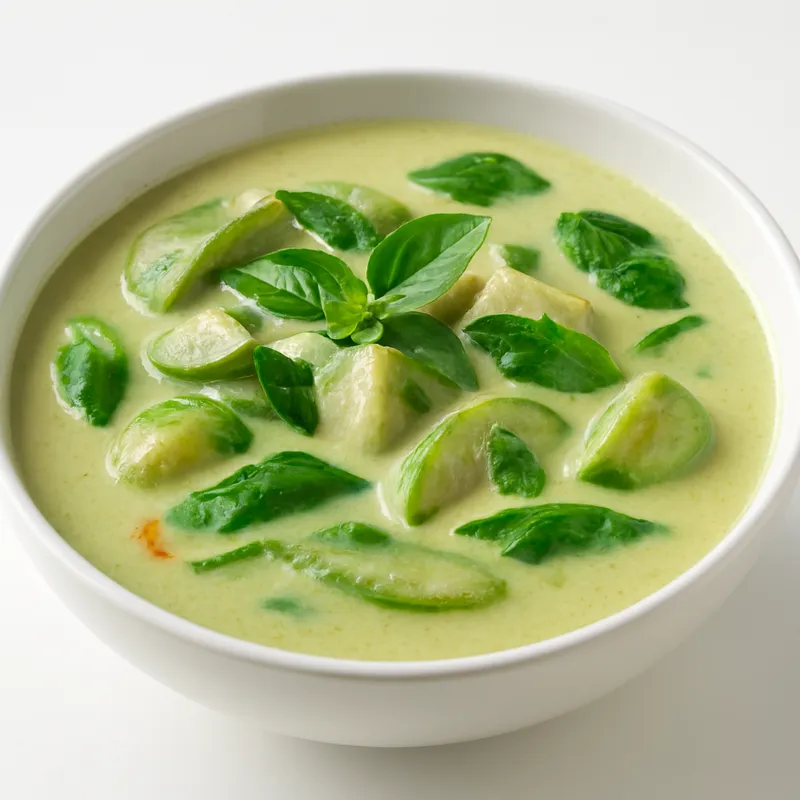
Shrimp paste is often used as a seasoning in curries, soups, and stir-fries, providing a deep, savory foundation. A small amount goes a long way, infusing dishes with complexity and depth.
Across cuisines
Thai cuisine utilizes shrimp paste, known as kapi, to impart a deep umami flavor and a distinct aroma. It is often roasted before use to mellow its strong scent, then incorporated into curry pastes or used as a base for dipping sauces. The paste is essential in dishes like Panang Curry and Nam Prik Ong, where it balances the heat and sweetness.
In Filipino cuisine, shrimp paste, known as bagoong, is used both as a condiment and a cooking ingredient. It is often sautéed with garlic and onions to create a flavorful base for dishes like Kare-Kare, where it complements the rich, peanut-based sauce. Bagoong is also served as a side condiment to enhance the flavor of various dishes.
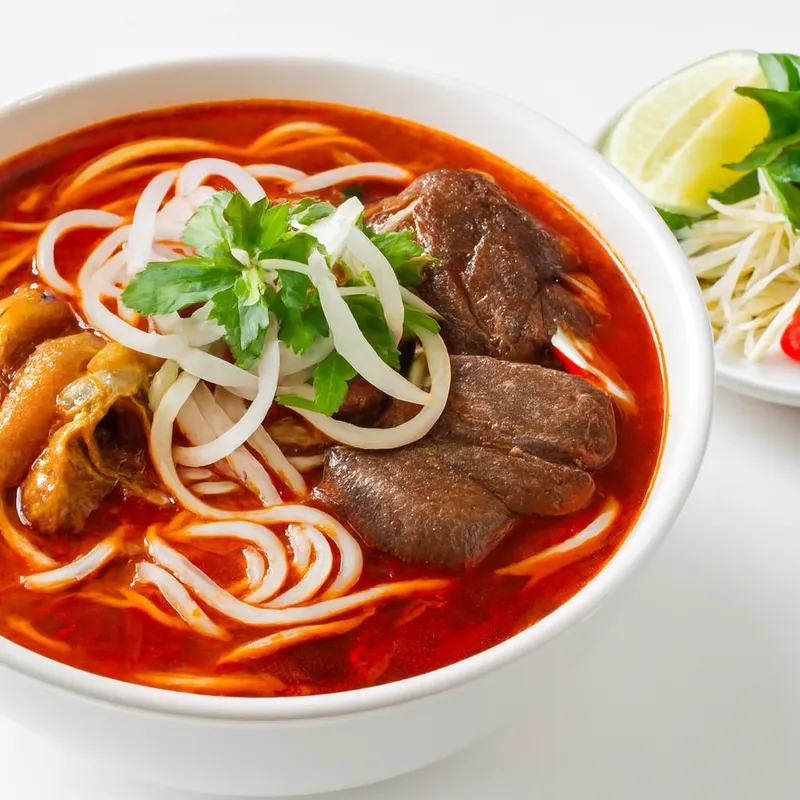
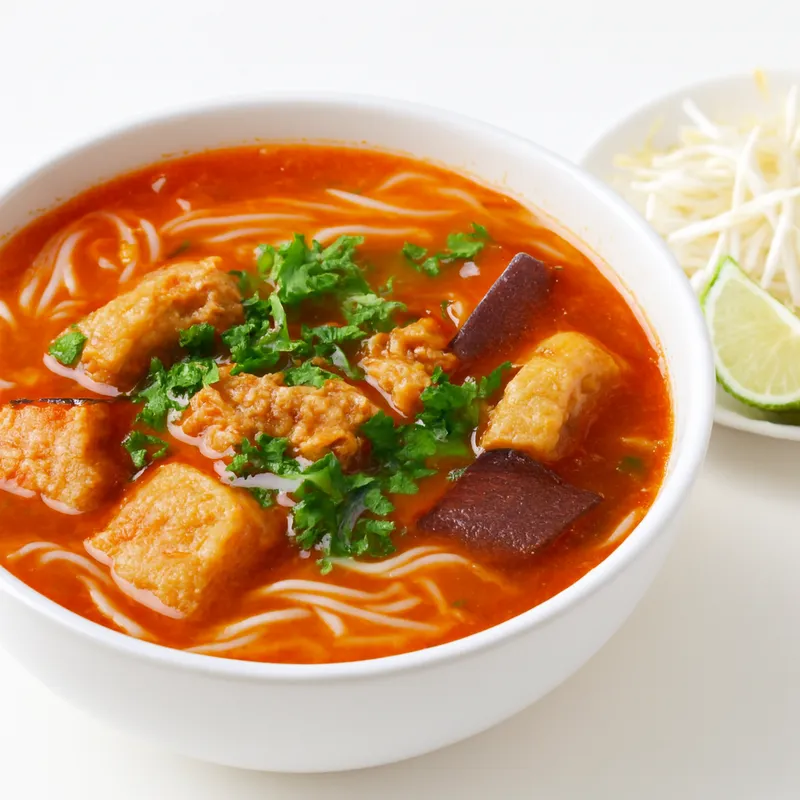
In Vietnamese cuisine, shrimp paste, called mắm tôm, is a crucial component for creating complex broths. It is dissolved in water and strained to extract its essence, then used in dishes like Bun Rieu to provide a savory depth. The paste's pungency is carefully balanced with other ingredients to achieve the desired taste.
Nutrition (per 100g)
AI-estimated; model and run unavailable.