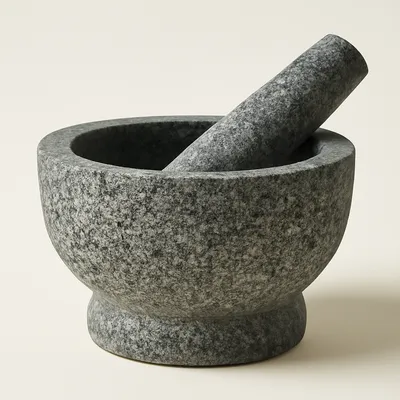
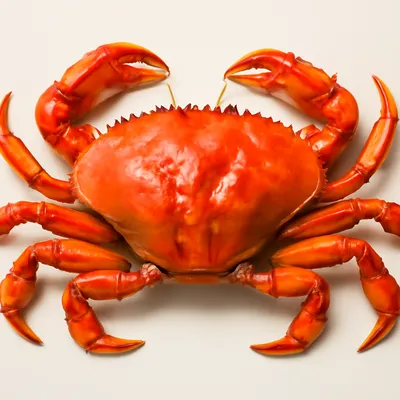



Northern Vietnamese, traditionally made with paddy field crabs (cua dong) — small freshwater crabs that thrive in flooded rice fields. The dish dates to at least the late 19th century in the Red River Delta, when farming households pounded the whole crabs (shell and all) in stone mortars to extract their essence. Urban versions now use ground crab paste from a jar, which most Hanoi cooks will tell you is not the same.
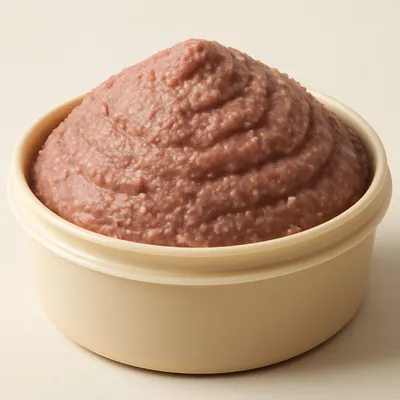
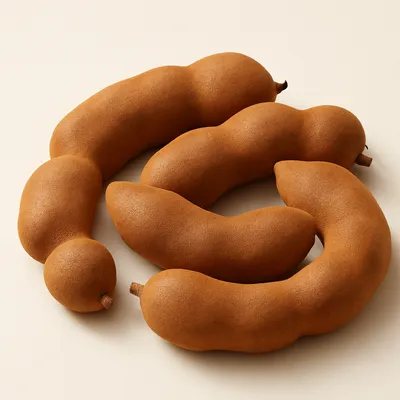
Hanoi's red crab-paddy soup — freshwater paddy crab pounded shell and all, strained, simmered until the protein floats in clouds. Tomato, shrimp paste, tamarind do the rest. Eat with tia to (Vietnamese perilla).
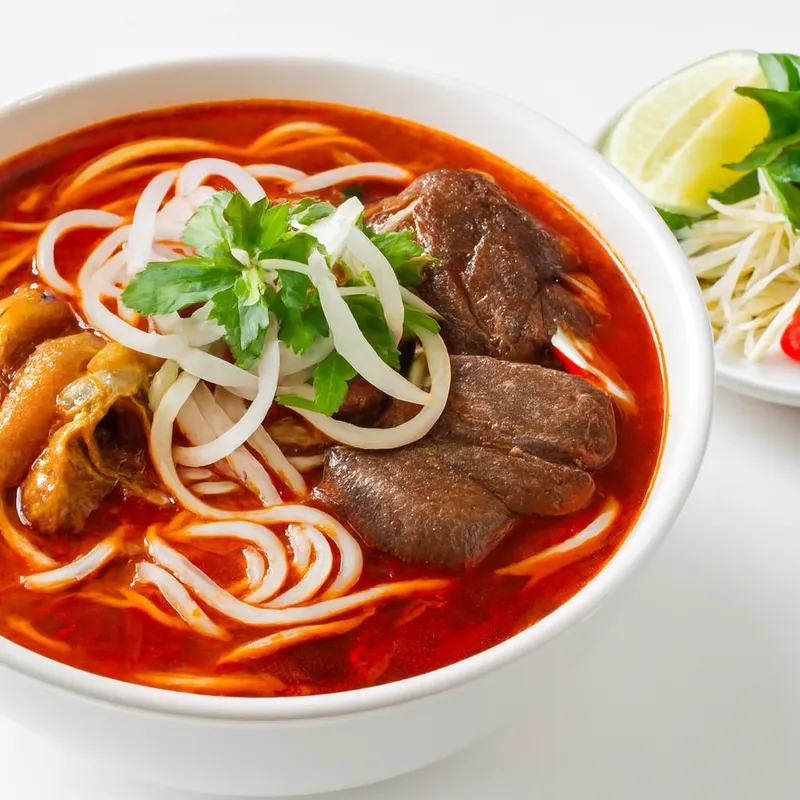
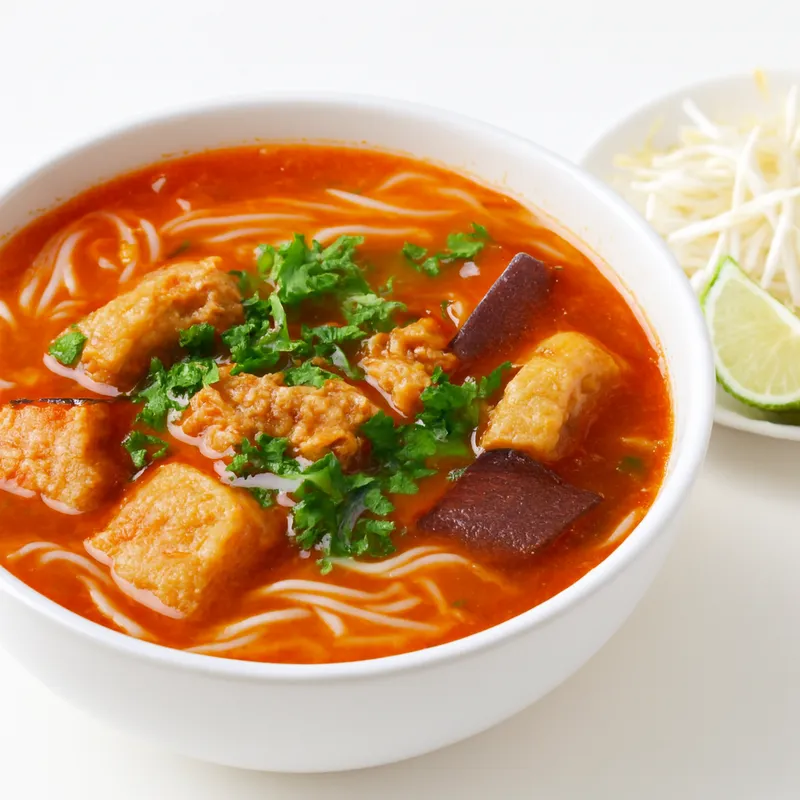
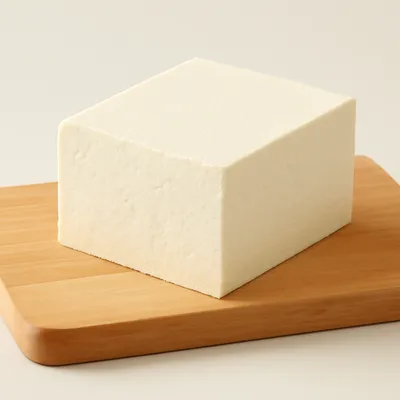
A bright orange-red bowl with cubes of tofu puff floating on top, soft mounds of crab-and-egg paste suspended in a tomato-tinted broth, and round rice noodles below. The broth is sour-sweet from tomato and tamarind, salty from shrimp paste, and surprisingly light. The crab paste has the texture of soft custard, not meat — it should break apart when nudged with chopsticks. Fresh greens go on at the table.
The crab paste mounds form because of the protein in the pounded crab — when the paste hits hot broth, the proteins coagulate into soft curds that float, similar to egg-drop soup mechanics but with crab essence. Skip the pounding step and use only crab meat and you get crab-scented broth with no curds; the curds are the textural anchor of the dish, not a garnish.
Variations
Bun rieu cua (the canonical, paddy crab); bun rieu oc (with snails); bun rieu suon (with pork rib); bun rieu cua oc (combo); Hanoi version is lighter on tomato, Saigon adds blood pudding and gio.
On the Palate
Where Bun Rieu sits in the Vietnamese flavor cloud
Ingredients




How it's made
5 steps · 38 min
- 110 min
Clean the crabs thoroughly, then pound them into a fine paste. Strain the paste, reserving the liquid for the broth and setting aside the solids for crab cakes.
Watch outPound until it's a truly fine, wet paste, then strain hard through a cloth — the more milky essence you press out, the more curd you'll get; the leftover solids become the fried cakes.
- 210 min
In a pot, bring the reserved crab liquid and chopped tomatoes to a simmer. Allow the tomatoes to soften and infuse the broth with their tangy sweetness.
Watch outGive the tomatoes time to collapse and go jammy before the crab goes near it — that's where the broth's sweet-sour edge comes from.
- 35 min
Whisk together eggs and shrimp paste, then gently fold into the crab solids to form a thick mixture. Shape into small cakes.
Watch outEnsure the mixture is well combined to prevent the cakes from falling apart during cooking.
- 48 min
Fry the crab cakes in hot oil until golden brown and crispy, turning once to cook evenly on both sides.
Watch outMake sure the oil is hot enough to prevent the cakes from absorbing too much oil.
- 55 min
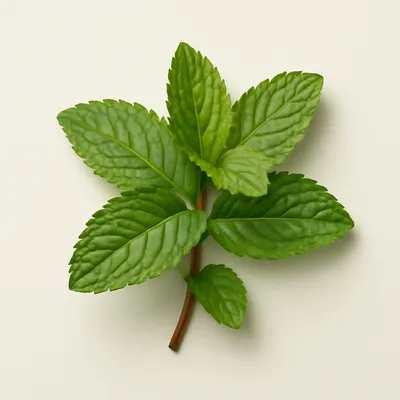
Serve the tomato broth with the crispy crab cakes, adding fried tofu and a splash of fish sauce for depth. Garnish with fresh mint for an aromatic finish.
Watch outAdd the fish sauce off a taste at the very end, not by the spoonful up front — the broth should land sweet-sour first, salty second.
Archive tool suggestions — not reviewed
These legacy suggestions have not been evidence-reviewed and are not presented as required tools.