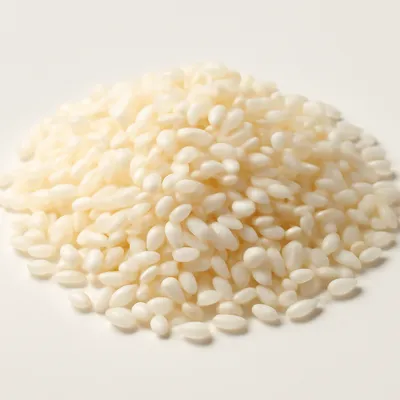
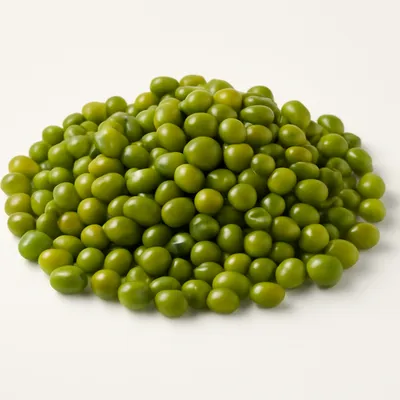
Banh khuc is a Hanoi sticky-rice dumpling scented with khuc, a wild cudweed leaf pounded into the dough. Inside sits a filling of mashed mung bean and seasoned fatty pork, peppered heavily; the whole thing is rolled in a coat of glutinous rice and steamed. It is street food sold from baskets, traditionally hawked through the lanes at night by vendors calling out for it. The cudweed gives a faint grassy, herbal note found in nothing else.



Banh khuc belongs to the Red River Delta, where the khuc plant (cudweed, Gnaphalium affine) grows wild along the rice-paddy edges in the cool, drizzly months of the first and second lunar months. Cooks gather the young leaves, blanch and pound them, and work the green pulp into glutinous-rice dough. Because the herb is seasonal and the dumpling is eaten hot and heavily peppered, it has always been more a Hanoi and Northern dish than a Southern one. The night-hawker's cry of xoi khuc — its sticky-rice-coated form — is a remembered sound of the Old Quarter, though wild cudweed has grown scarcer as the delta's fields give way to building.
Warm in the hand, the dumpling is soft and faintly sticky, its skin tinted grey-green and carrying a quiet, hay-like fragrance. Bite through and the mung bean is smooth and mild, the pork fat melting and emphatically peppery against it. The outer rice grains stay separate and chewy, salted just enough. It is filling, gentle food — the herbal note keeps it from feeling plain.
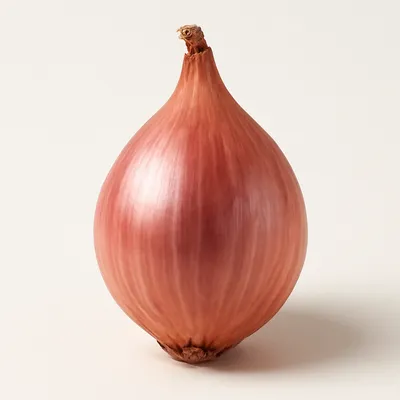
The cudweed does two things: it perfumes the dough and, pounded fine, helps the glutinous-rice flour hold together into a tender, slightly elastic skin. Blanching the leaves first sets their colour and softens the fibre before pounding. The mung bean is cooked, mashed and sometimes lightly fried with shallot so it holds a shape inside the wrapper; the pork is cut with fat on purpose, since the rendering fat carries the pepper and keeps the filling moist through a long steam. Coating the wrapped dumplings in soaked glutinous rice before steaming gives the separate-grain outer layer and protects the soft skin.
Variations
The rice-coated version, sold by night vendors, is often called xoi khuc; a plainer banh khuc keeps a smooth steamed skin without the loose rice jacket. Fillings vary in the pork-to-mung ratio, and a meatless version with mung bean alone is made for fast days. When fresh cudweed is out of season, some cooks substitute other greens such as young spinach or pennywort, which give colour but not the true khuc scent.
On the Palate
Where Banh Khuc sits in the Vietnamese flavor cloud
Ingredients
Serves 6
How it's made
7 steps · 45 min active + 45 min waiting
- 110 min
Blanch young cudweed leaves briefly, then pound or blend them to a fine green pulp.
Watch outBlanch the cudweed briefly to set its color, then pound it fine — coarse leaves won't bind and the skin tears.
- 215 min
Work the pulp into glutinous-rice flour with a little water and salt to make a soft, pliable dough; rest it.
- 315 min
Cook mung beans until soft, mash, and lightly fry with shallot; season and let cool.
- 48 min
Season diced fatty pork generously with pepper, fish sauce and shallot.
- 512 min
Flatten a piece of dough, enclose a portion of mung bean and pork, and seal into a ball.
- 66 min
Roll each dumpling in pre-soaked glutinous rice to coat.
- 730 min
Steam over high heat until the rice jacket is translucent and the dumplings are cooked through; serve hot with a sprinkle of fried shallot.
Watch outSteam until the rice jacket turns translucent — that's your cue the dumpling inside is cooked through.
Archive tool suggestions — not reviewed
These legacy suggestions have not been evidence-reviewed and are not presented as required tools.


