
Omegi-tteok is Jeju's signature rice cake, made not from rice but from glutinous millet — the grain the island actually grew. Steamed millet dough is shaped into small balls or rings, often tinted green and grassy with mugwort, then rolled in a thick coat of sweet red-bean paste or crushed beans. The bite is chewy and faintly nutty from the millet, herbal from the mugwort, and mellow-sweet from the bean coating. It is the most emblematic of Jeju's tteok, sold all over the island today and historically tied to its grain-based, rice-scarce kitchen.
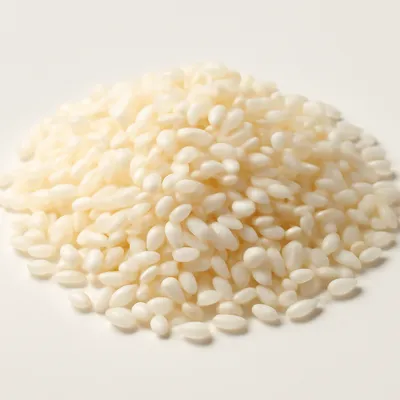



Jeju's volcanic soil could not sustain paddy rice, so the island leaned on millet, barley and buckwheat, and its rice cakes were built from those grains rather than the glutinous rice of the mainland. Omegi-tteok comes from chal-jo, glutinous foxtail millet, and the name is said to derive from the Jeju-dialect word for the millet itself. It was a household sweet and an offering at ancestral rites, and it doubled as the starter for omegi-sul, a traditional Jeju liquor fermented from the same cakes. The mugwort-and-red-bean form widely sold today is the popular modern face of an old island staple.
Soft and stretchy with a gentle chew, the millet dough is subtly nutty and earthier than glutinous rice, while the mugwort adds a clean, grassy bitterness. The red-bean coat brings a mild, rounded sweetness and a slightly grainy texture that keeps the whole thing from being cloying.
Glutinous millet has the sticky starch needed to make a cohesive, chewy dough once steamed; it is steamed first, then pounded or kneaded warm so the starch turns elastic. Mugwort, blanched and pureed in, both colors and flavors the dough while its fibers add structure. The red-bean coating is more than decoration — it seasons each piece, slows the cake's surface from drying, and provides the sweetness, since the dough itself is barely sweet.
Variations
The classic coat is sweet adzuki, but versions roll the cakes in crushed peanuts, soybean powder or black-sesame; some skip mugwort for a plain golden millet cake. Shapes range from filled balls with a bean-paste center to flattened rings. A few makers blend in glutinous rice for a softer texture, and the same cakes, dried, are the traditional base for fermenting omegi-sul.
On the Palate
Where Omegi-tteok sits in the Korean flavor cloud
Ingredients
Serves 6How it's made
6 steps · 40 min
- 120 min
Soak glutinous millet, drain, and grind or pound it into a coarse flour.
- 28 min
Blanch mugwort, squeeze dry and chop or puree it.
Watch outSqueeze the blanched mugwort really dry before mixing in — extra water slackens the dough and dulls both the color and the herb's fragrance.
- 37 min
Mix the millet flour with the mugwort and a little hot water into a pliable dough.
- 430 min
Steam the dough until cooked through, then pound or knead it warm until smooth and elastic.
Watch outSteam the dough through, then pound it warm until smooth and springy — the starch only turns elastic while it's hot, so don't let it cool first.
- 510 min
Shape into small balls or rings, tucking in sweet red-bean paste if making a filled version.
- 68 min
Roll each cake in a thick layer of sweet red-bean paste or crushed beans and serve.
Archive tool suggestions — not reviewed
These legacy suggestions have not been evidence-reviewed and are not presented as required tools.


