
Jeju Korean
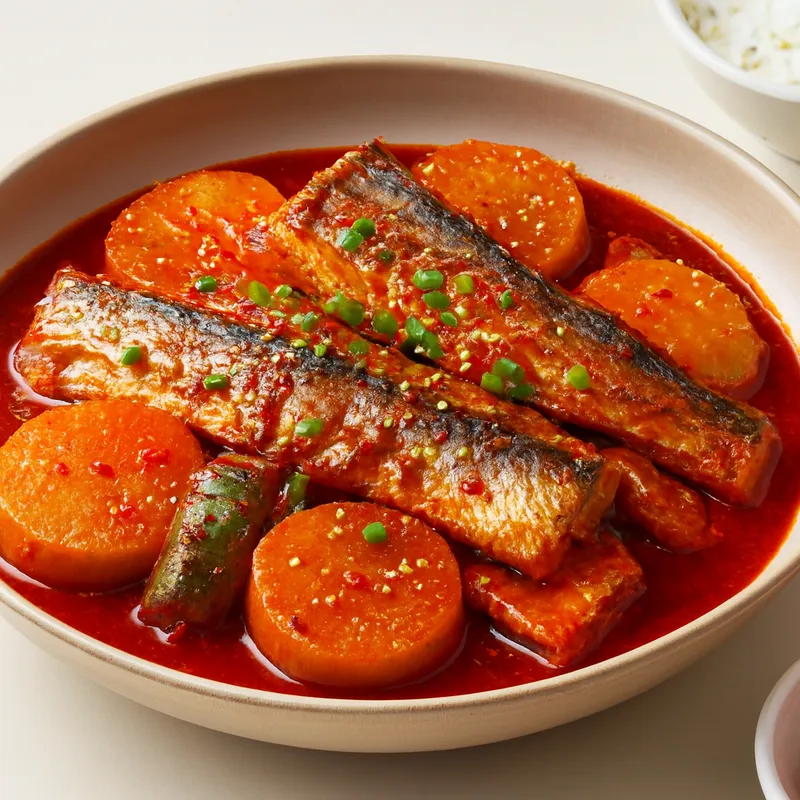
Galchi Jorim: braised hairtail, spicy sauce.
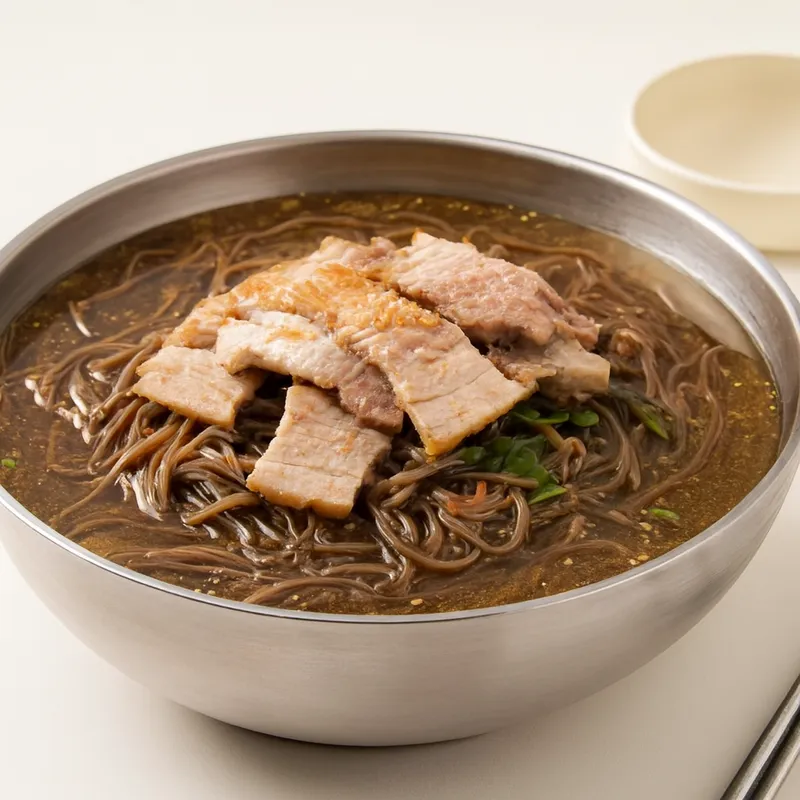
Heuk Dwaeji
Jeju's unique black pork, renowned for its tender texture and rich flavor, reflects the island's distinct culinary identity.
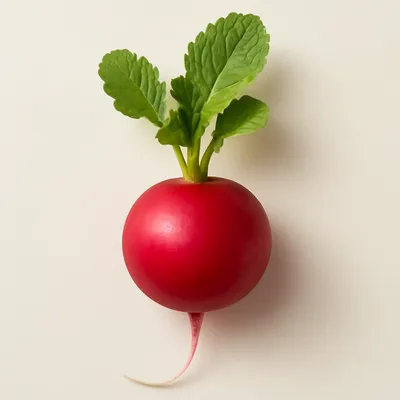
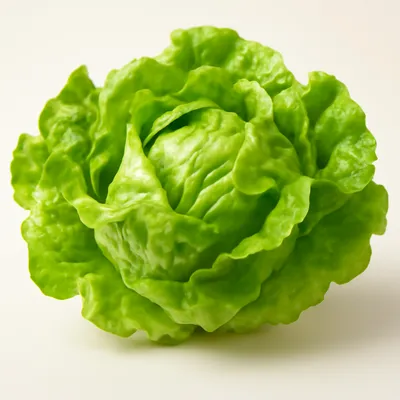
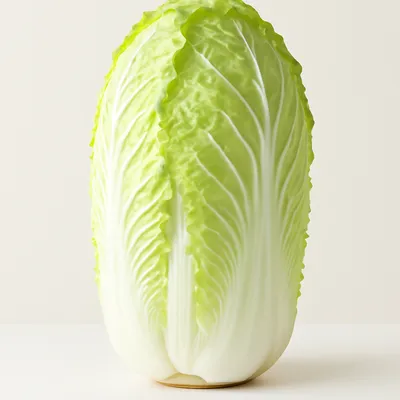
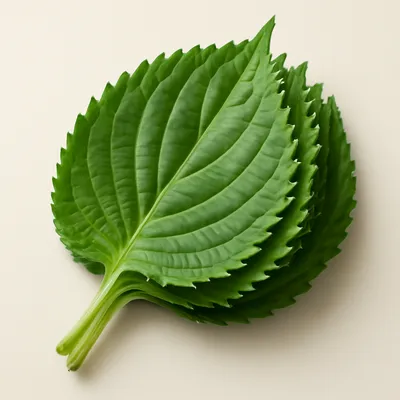
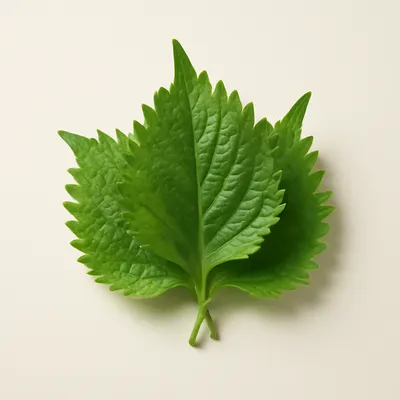
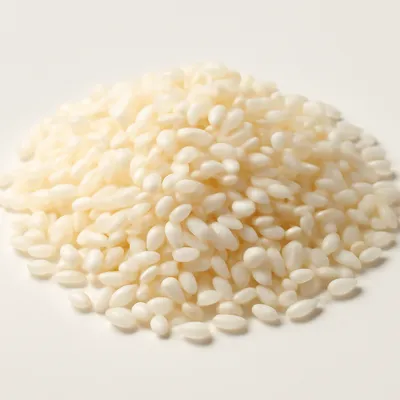
View page →Jeju, the volcanic island off Korea's south coast, has its own cooking shaped by black basalt soil, surrounding seas, and a history of scarcity that taught islanders to waste nothing. The star is heuk dwaeji, the island's prized black pig, usually grilled in thick slices and wrapped in lettuce or perilla with ssamjang. From the sea come galchi jorim, fresh hairtail braised with radish and chili powder, and a range of abalone dishes — above all jeonbok-juk, the abalone rice porridge long associated with the haenyeo, the island's famous free-diving women. Because rice grew poorly on the porous volcanic ground, islanders leaned on buckwheat and millet, which survive in bingtteok, thin buckwheat crepes rolled around seasoned radish. The food is plain, salt-forward, and close to its sources — what the volcanic land and the surrounding water could actually give.
Start Here
Experience Jeju black pork belly, grilled to smoky perfection, encased in fresh greens and dipped in ssamjang.
Why start here · Heuk Dwaeji Gui showcases the unique taste of Jeju's native black pig, a must-try for understanding the island's culinary identity.
Delicate buckwheat pancakes filled with savory daikon radish and scallion, a fragrant bite from Jeju's humble kitchen.
Why start here · Bingtteok embodies Jeju's simplicity and resourcefulness, offering a taste of the island's traditional flavors.
A spicy and savory braise of Jeju's fresh hairtail fish, simmered with daikon in a rich gochugaru-infused broth.
Why start here · Galchi Jorim captures the essence of Jeju's seafood offerings, highlighting the island's rich marine resources.
The Pantry







See all 71 ingredients›









Fruits



Grains & Staples






Dairy & Fats





How They Cook
Techniques that define this cuisine
Kindred Kitchens
Cuisines built on the same signature ingredients
Other regions
Siblings within Korean — each its own tradition.