Hoideopbap
“Cold sliced raw fish over warm rice with shredded lettuce, julienned vegetables, sesame oil, and a spoonful of gochujang-based sauce — Jeju and southern coastal diner staple, eaten by stirring everything to red.”
Where it comes from
Hoideopbap is a southern coast and Jeju island fixture — the islands have direct access to morning-caught raw fish, and the dish is the diner-counter way to serve sashimi without the formality (and price) of a hoetjip raw-fish house. Jeju cooks use local oily fish like mackerel or hairtail; mainland Seoul-region versions migrated to milder tuna and yellowtail in the 1990s as Japanese-style sashimi entered the supply chain. Either way it is a working-lunch dish — quick, cold, sharp.
On the plate
First bite is a temperature shock — cool fish, body-warm rice, ice-cold lettuce. Then chogochujang hits: sweet first, then vinegar, then slow gochujang heat. Fish stays just-firm-just-snapping; if it's mushy the rice was too hot or the fish was too long out of the fridge. Sesame oil rounds the heat. The bowl needs to be eaten in five minutes — past that the fish bleeds water into the sauce and the texture flattens.
How it works
Rice temperature is the make-or-break: hot rice cooks the fish on contact (whitens, goes mealy); ice rice doesn't release the sauce. Body-warm (35-40°C) is the window. The fish must be cubed not sliced — a slice flops over and lays flat against the rice, conducting heat; a cube sits up and stays cold longer. Vegetables are salted briefly so they don't water down the sauce when stirred.
Jeju and southern-coast diner-counter sashimi-on-rice. Body-warm rice (35-40°C) is the window — hot rice cooks the fish on contact, ice rice won't release the chogochujang. Cubed not sliced, so cubes sit up and stay cold longer.
Variations
Jeju version uses local mackerel or hairtail; Busan and Tongyeong shops favour flounder; 1990s Seoul migrated to Japanese-supply tuna and yellowtail; modern Hawaiian-influenced shops add avocado and seaweed flakes.
On the Palate
Ingredients
Serves 2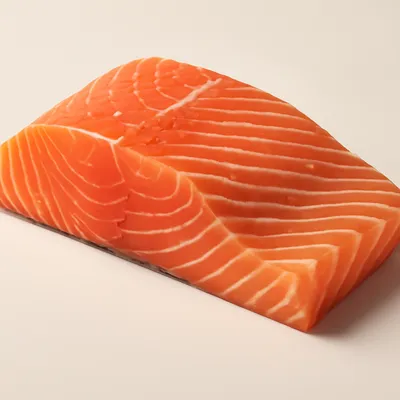









How it's made
6 steps · Show ↓20 min active
How it's made
6 steps · Show ↓- 120 min
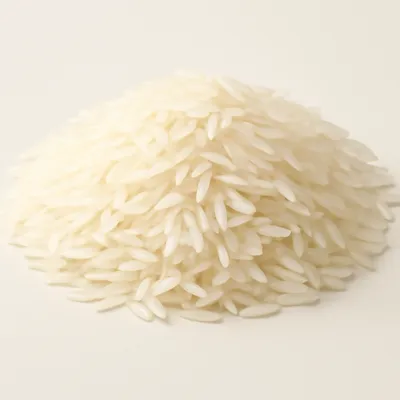
Cook 300g short-grain rice. Spread on a plate to cool to body-warm — not hot enough to cook the fish.
Watch outEnsure the rice cools sufficiently to avoid cooking the fish.
- 25 min
Slice 200g sashimi-grade fish (Jeju style: mackerel, hairtail, or flounder; inland substitute: tuna or yellowtail) into 5mm slices, then crosscut into 1.5cm cubes. Keep on ice until plating.
Watch outUse a sharp knife to prevent tearing the fish.
- 35 min
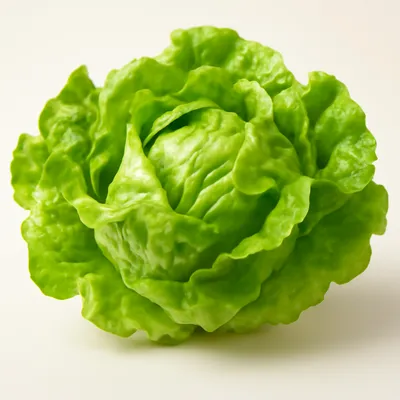
Shred 80g iceberg or red leaf lettuce, 50g cucumber julienne, 30g carrot julienne, 30g daikon julienne. Toss with a pinch of salt; let drain 3 minutes; squeeze out water.
Watch outDo not oversalt the vegetables, as they will release water.
- 43 min
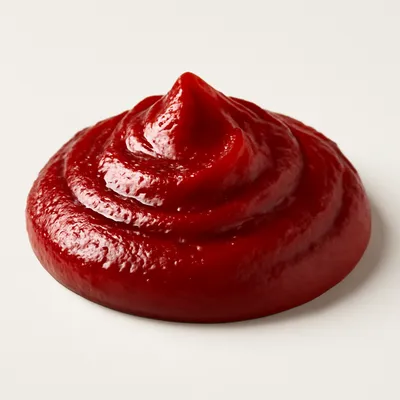
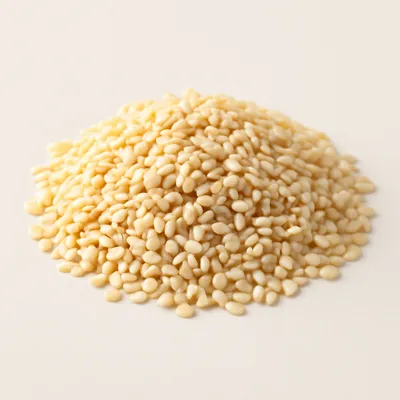
Mix the sauce (chogochujang): 3 tbsp gochujang, 1 tbsp rice vinegar, 1 tbsp sugar, 1 tsp soy sauce, 1 minced garlic clove, 1 tsp toasted sesame. Stir glossy.
Watch outEnsure the sugar fully dissolves for a smooth sauce.
- 53 min
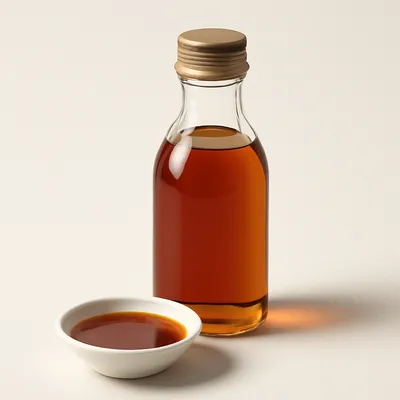
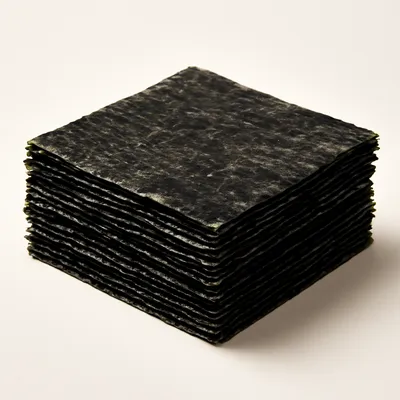
Compose bowls: 150g warm rice base, the fish cubes piled on one half, the shredded vegetables on the other, 1 tsp sesame oil drizzled over, 1 tbsp seasoned dried seaweed flakes, the sauce in a separate dish.
Watch outArrange ingredients neatly to enhance presentation.
- 61 min
Diner pours all of the sauce in and stirs hard until everything turns red and glossy and the fish coats with sauce — 20 seconds. Eat immediately, before the fish warms.
Watch outStir quickly to prevent the fish from warming too much.