



A peasant home dish from at least the Joseon era (post-15th c.), born from the practical problem of kimchi turning over-sour by late winter — too sharp to eat raw. Cooking it with whatever protein was around (pork, tuna, spam during the Korean War era) revived the cabbage and stretched a meal. The dish has no canonical recipe; every Korean grandmother's is different.
The dish that proves week-old kimchi beats fresh. Sour-fermented depth is the point; gochugaru is just the colorist.
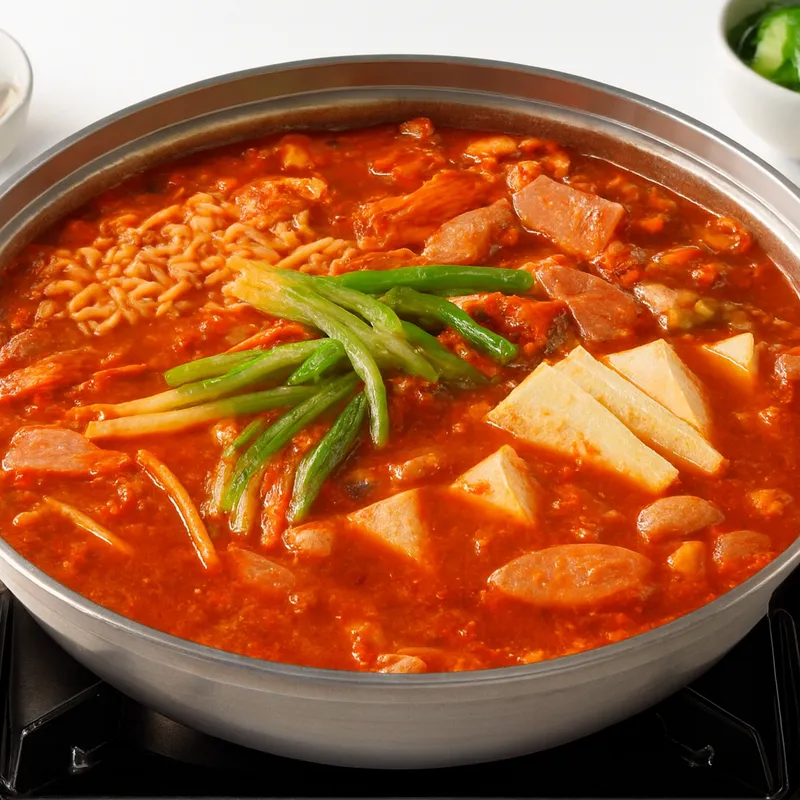
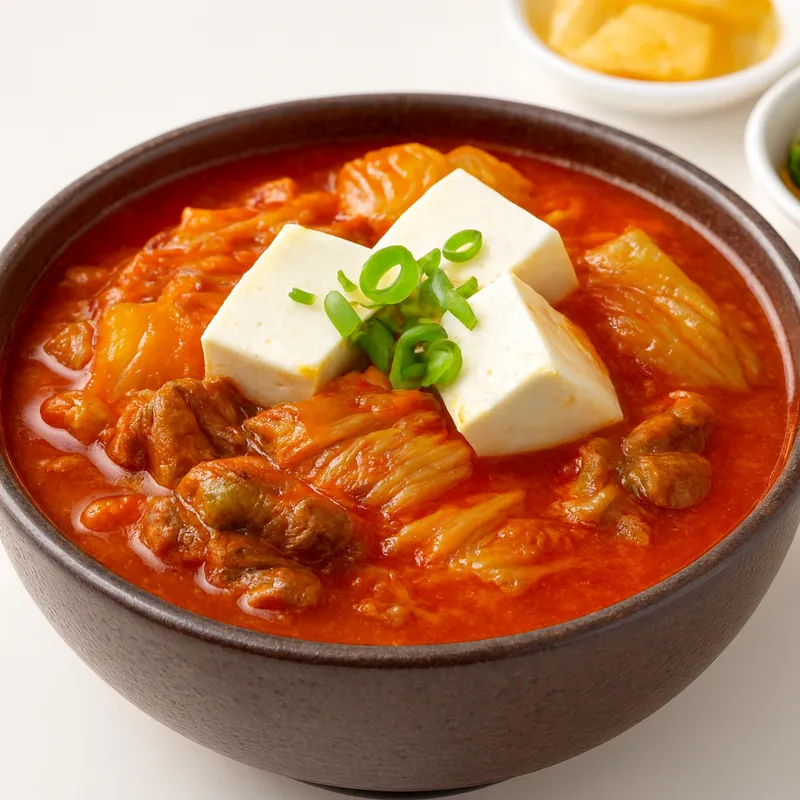
An iron pot brought to the table still bubbling, broth murky red-orange from aged kimchi and gochugaru. Pork belly, tofu cubes, scallion, sometimes a handful of enoki. The kimchi is sour — properly aged, not fresh — and the soup tastes of fermentation more than spice. Served with a bowl of plain white rice you spoon broth onto. Heat builds across bites.
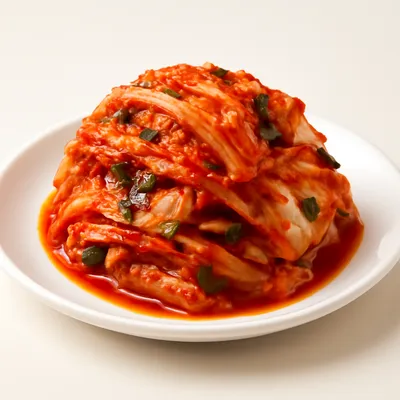
Aged kimchi (mukeun-ji, 묵은지) is non-negotiable — fresh kimchi makes a flat, vegetal soup. The lactic acid from 3+ months of fermentation breaks down pork fat into a deeper, rounder broth. Many cooks add a spoonful of the kimchi brine itself; some add a dash of soy or saeujeot (salted shrimp) but never sugar — sweetness flattens the sour edge.
Variations
Tuna-can version (chamchi-jjigae) is the dorm-room staple; budae-jjigae (army stew) adds Spam, hot-dog, and instant noodles.
On the Palate
Where Kimchi Jjigae sits in the Korean flavor cloud
Use kimchi that's gone properly sour and sauté it in the fat before any water goes in — the aged lactic tang is the whole broth, and blooming it in oil first is what turns a thin, vegetal soup into a deep, round stew.
Ingredients




How it's made
4 steps · 30 min
- 15 min
In a large pot, sauté sliced onions and minced garlic in a bit of oil until the onions are translucent and fragrant, about 5 minutes.
Watch outCook the onion and garlic only until translucent and fragrant, not browned — you want a soft sweet base under the sour, not a caramel note.
- 25 min
Add the kimchi and continue to sauté for another 5 minutes, allowing the flavors to meld and the kimchi to soften.
Watch outThe kimchi is ready to take liquid when its edges have gone soft and floppy and the raw-cabbage smell has turned tangy and mellow.
- 315 min
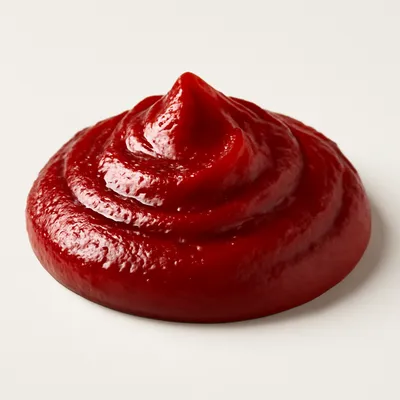
Pour in water or broth to cover the kimchi, then stir in gochujang and soy sauce. Bring to a gentle simmer and let it bubble for 15 minutes to deepen the flavors.
Watch outKeep it at a lazy simmer with just a few bubbles breaking the surface; a hard boil for fifteen minutes muddies the broth instead of deepening it.
- 45 min
Cut the tofu into cubes and gently add it to the stew. Simmer for another 5 minutes until the tofu is heated through.
Watch outSlide the tofu in and nudge it gently rather than stirring — hard stirring at this point crumbles the cubes into the broth.
Archive tool suggestions — not reviewed
These legacy suggestions have not been evidence-reviewed and are not presented as required tools.