
Andong soju is the prized heritage distilled liquor of Andong, a clear, potent grain spirit handed down in the city's old yangban households as a home-brewed gayangju. It is made the traditional way: grains are steamed, mixed with nuruk and water and fermented into a mash, then slowly distilled in an earthenware still called a soju-gori to draw off a strong, fragrant spirit. Far higher in strength and far more aromatic than the cheap diluted soju in green bottles, it is a true distilled liquor with a clean grain sweetness and a warming finish. It stands among Korea's most respected traditional spirits.
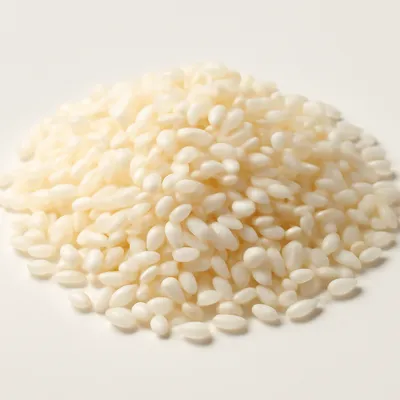


Andong soju is a grain-based distilled liquor long passed down as a home brew in the yangban households of Andong in North Gyeongsang. Its modern revival is closely tied to the artisan Jo Ok-hwa, who from the early 1980s set out to reconstruct the traditional method, blending the home-brewing techniques she had learned from her own family and her husband's; her recipe was recognized as a Gyeongsangbuk-do Intangible Cultural Property on 13 May 1987, and in 1988 Andong soju was named one of the country's eight traditional folk liquors. Korean home distilling had been suppressed for much of the twentieth century under grain-control laws, and a 1990 revision allowing folk-liquor production let it return to the market. Jo Ok-hwa was later designated a national food master; after her death in 2020 the craft passed to her family.
Clear and clean on the nose with a sweet, grainy fragrance and a whisper of nuruk. The sip is smooth but powerful, carrying real heat from its high strength, a mellow rice sweetness in the middle, and a warm, lingering finish that spreads through the chest. Sipped neat and slow, it is worlds away from the sharp, watery taste of mass-market soju.
The spirit relies on fermentation followed by pot distillation. Steamed grain is inoculated with nuruk, a traditional fermentation starter whose molds and yeasts convert starch to sugar and then sugar to alcohol, producing a fragrant fermented mash over about ten days. The mash is heated in a pot fitted with the soju-gori still; alcohol and aroma compounds, being more volatile than water, vaporize first, rise, and condense on the cool upper chamber to run off as a high-proof, intensely flavored distillate. Distillation concentrates both the alcohol and the grain aromatics, which is why the result is far stronger and more fragrant than fermented or diluted soju.
Variations
Traditional Andong soju is typically bottled at a high strength of around 45 percent, though producers now also offer lower-proof bottlings for easier drinking. Recipes differ by house in their grain mix and nuruk; the classic uses rice, sometimes with barley, foxtail millet, sorghum, and soybean. It is drunk neat as a heritage spirit, served at ceremonies and as a gift, and modern brands experiment with aging and refined finishes.
On the Palate
Where Andong Soju sits in the Korean flavor cloud
Ingredients
Serves 12How it's made
6 steps · 1 hour
- 190 min
Wash and soak the grains, then steam them through in a traditional steamer.
- 240 min
Cool the steamed grain and mix thoroughly with crushed nuruk and water to start the mash.
- 314400 min
Ferment the mash for about ten days until it is fragrant and fully worked.
Watch outThe mash is ready when it smells sweetly fragrant and the bubbling has calmed — that's about ten days; a sour, sharp smell means it has gone off.
- 430 min
Load the fermented mash into a pot and fit the earthenware soju-gori still on top.
- 5120 min
Heat gently so the alcohol vaporizes, rises, and condenses, drawing off the clear distilled spirit.
Watch outKeep the heat gentle so only the alcohol vapor rises and condenses — push the fire too hard and you scorch the mash and drag bitterness into the spirit.
- 660 min
Collect the soju, adjust strength as desired, and rest it before bottling.
Archive tool suggestions — not reviewed
These legacy suggestions have not been evidence-reviewed and are not presented as required tools.


