
Cheongju is a clear, refined Korean rice wine drawn from the same fermented rice mash that makes makgeolli. Rice is steamed, mixed with nuruk and water and fermented into a mash, which is then left to settle so the clear liquor floating on top can be ladled or strained off as cheongju, while the cloudy dregs blended with water become makgeolli, or takju. The result is clean and elegant, running from dry to gently sweet, and it has long been the wine poured for ancestral rites and served at fine tables. Though both Korean cheongju and Japanese sake are written with the same characters for clear wine, the two are made differently and taste distinct.


Cheongju belongs to the old family of Korean rice wines and is defined by its relationship to makgeolli: both come from one batch of fermented mash, with cheongju the clear wine taken from the top and makgeolli the cloudy remainder let down with water. The closely related yakju is another refined rice wine of the same clear type. As the cleaner, more refined drink, cheongju was the wine of ceremony, set out for the ancestral memorial rites that remain central to Korean ritual life. Several regional examples are held up as benchmarks of the craft, among them Gyeongju Gyodong Beopju, brewed by the Choi family of Gyeongju over many generations from glutinous rice and house-well water, and Myeoncheon Dujeonju in South Chungcheong, a cheongju scented with azalea blossom and honey; both are recognised as protected cultural assets.
Bright and clear in the glass, a pale straw to light amber, with a gentle nose of steamed rice and a soft fruity-floral lift. The taste is clean and smooth, the rice sweetness restrained and balanced by a dry, faintly tart finish, far lighter and more elegant than the cloudy tang of makgeolli. It is poured cool into small cups and slips down easily alongside food.
Cheongju relies on parallel fermentation followed by clarification. Nuruk, a traditional grain starter carrying moulds and yeasts, does two jobs at once in the mash: its enzymes break the steamed rice starch down into sugars while the yeast ferments those sugars into alcohol, over one to two weeks building a mash that is part liquid wine, part suspended rice solids. Left undisturbed, the heavier solids sink and a clear wine separates on top; ladling or straining off that upper layer gives cheongju, and stirring water back through the dregs gives the cloudy makgeolli. The clarity and lighter body of cheongju come simply from taking the settled, refined fraction rather than the whole mash.
Variations
The defining contrast is with makgeolli itself, the cloudy wine made from the same mash; cheongju is simply the clear fraction drawn off above it. Yakju is a close refined cousin, and flavoured versions exist, most famously the azalea-scented dujeonju. Strength and sweetness vary by house and recipe, from crisp and dry to softly sweet, and styles range from everyday commercial bottlings to slow, traditionally brewed heritage wines. Beyond the cup, cheongju is a common cooking wine in Korean kitchens, splashed in to lift braises and soups and to take the edge off strong meat and fish.
On the Palate
Where Cheongju sits in the Korean flavor cloud
Ingredients
Serves 12How it's made
6 steps · 1 hour
- 190 min
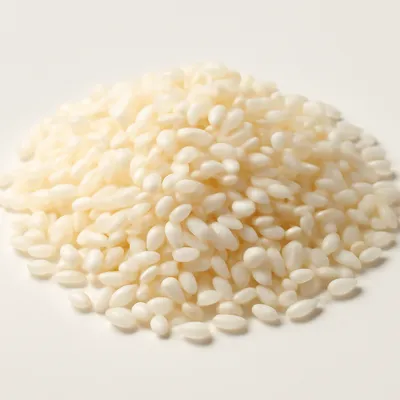
Wash short-grain and glutinous rice, soak, then steam through until fully cooked.
- 240 min
Cool the steamed rice and mix thoroughly with crushed nuruk and water to start the mash.
- 314400 min
Ferment the mash in a covered crock for one to two weeks, stirring early on, until it works clear.
Watch outThe mash is working right when it goes from milky-cloudy toward clearing on top — that's the yeast finishing the sugars.
- 42880 min
Stop stirring and let the mash settle so the heavy solids sink and clear wine separates on top.
- 530 min
Carefully ladle or strain off the clear upper liquor as cheongju, leaving the dregs behind.
Watch outLadle only the clear upper liquor and stop before you disturb the sunk dregs, or the wine clouds right back up.
- 621600 min
Let the cheongju rest and clarify further, then rack it off the lees and serve it cool.
Archive tool suggestions — not reviewed
These legacy suggestions have not been evidence-reviewed and are not presented as required tools.


