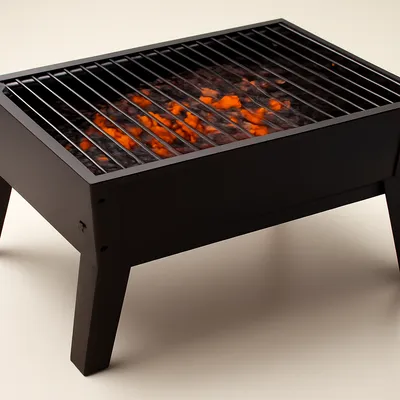
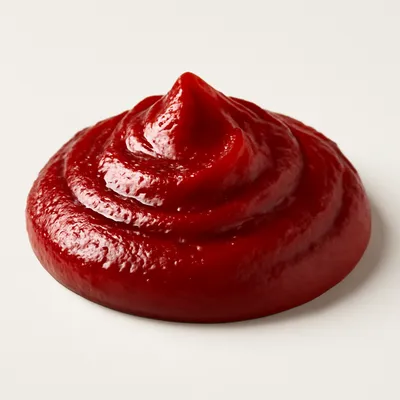
Pungcheon jangeo-gui is freshwater eel charcoal-grilled in the style of Gochang, in North Jeolla, around the temple town of Seonunsa. It comes two ways: salt-grilled, plain, the skin crisped in the eel's own rendered fat, or glazed, with a gochujang-and-soy sauce brushed on in repeated coats until it lacquers. The eel is deboned, butterflied and grilled over ashed-over charcoal, then snipped into pieces and eaten with sliced ginger, garlic and perilla or lettuce wraps. The local pairing is a chilled glass of bokbunja, the black-raspberry wine for which Gochang is equally famous.
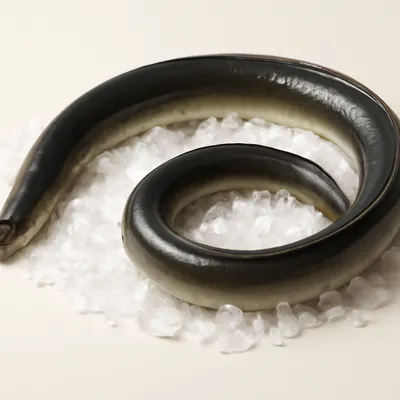




The name is the most interesting fact here, and the documented reading runs against intuition: Pungcheon is not a village but a descriptive term for the brackish wind-and-tide river mouth where a stream meets the sea, which is where the prized eels were caught — here the lower Incheon-gang that flows past Seonunsan into the bay. The charming folk image, that the wind rides upstream with the tide and so the place is the wind-stream, is popular but secondary. Gochang is documented as Korea's foremost freshwater-eel producing region, with dozens of farms and a dedicated Pungcheon Eel Street at the gate of Seonunsa; restaurants there began selling grilled eel in the 1970s and the dish rose to national stamina-food fame in the 1990s. An honesty point: today's eel is overwhelmingly farmed, raised from wild-caught glass eels, so Pungcheon eel now names a regional style and provenance more than a literal wild estuary catch.
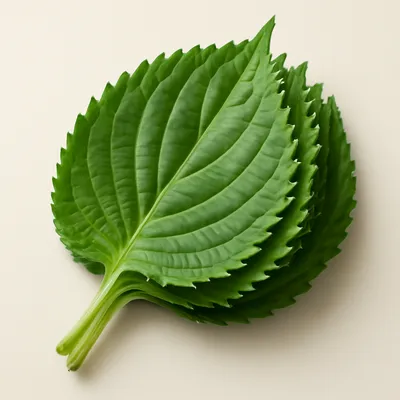
The line everyone uses fits: crisp outside, rich within. The skin is lacquered and brittle, giving way to dense, oily, springy flesh with a clean charcoal smokiness. The salt version foregrounds the nutty richness of the eel fat itself; the gochujang version layers on a sweet-spicy caramelized glaze. A bite of sharp young ginger cuts the oil and resets the palate, and a wrap of perilla adds a green, herbal note before the next piece.
Eel is a high-fat, collagen-rich fish, which is exactly what charcoal grilling exploits. It is deboned, butterflied, the fins trimmed and the skin scraped and patted fully dry, since wet skin steams rather than crisps. Over ashed-over embers with no live flame, the dry radiant heat renders the thick layer of subcutaneous fat and crisps and lacquers the skin while smoke perfumes the flesh, so the eel is flipped often to render evenly. For the glazed version the eel is par-grilled first, then brushed with a gochujang glaze over low heat in repeated coats so the sugars caramelize without scorching. Ginger is the documented foil, its pungency cutting the oily richness; eel is a classic boyangsik, a restorative stamina food eaten especially in the summer dog days.
Variations
The two canonical grills are salt and gochujang glaze; Gochang has its own twist, a glaze aged with the local bokbunja. Grilled eel also goes over rice as jangeo-deopbap, a Korean cousin of the eel rice bowl, and the bones are sometimes deep-fried as a crisp side. The bokbunja pairing is itself the iconic Gochang variation of the experience, the sweet-tart fruit wine cutting the eel's richness. Eel soup, jangeo-tang, uses the same fish in a different register.
On the Palate
Where Pungcheon Jangeo-gui sits in the Korean flavor cloud
Ingredients
Serves 3
How it's made
9 steps · 40 min
- 110 min
Use a deboned, butterflied eel; trim the fins, scrape the skin, then rinse and pat it fully dry.
Watch outScrape and pat the skin bone-dry before it hits the fire — wet skin steams and goes leathery instead of crisping.
- 28 min
Light the charcoal and let it burn down to even, ashed-over embers with no live flame.
- 36 min
Lay the eel skin-side down first and par-grill past half done as the fat renders, flipping frequently.
Watch outGrill skin-side down first to set the skin, and flip often — the thick fat layer needs to render evenly without one side scorching.
- 45 min
For salt-grilled, season with salt and grill all sides, including the edges, until golden and crisp, then serve.
- 53 min
For the glaze, whisk gochujang, gochugaru, soy sauce, rice syrup, garlic, ginger and sesame oil, with bokbunja in the Gochang style.
- 62 min
Brush a first coat of glaze and return the eel to low, indirect heat so the sugars caramelize.
Watch outGlaze in thin coats over low heat, grilling between each — pile it on hot and the sugars scorch black before they lacquer.
- 74 min
Flip and brush a second and third coat, grilling between each to build a glossy, lightly charred lacquer.
- 81 min
Snip the eel into bite-size segments and plate.
- 91 min
Serve with shredded young ginger, sliced garlic and perilla or lettuce for wrapping, and a chilled glass of bokbunja.
Archive tool suggestions — not reviewed
These legacy suggestions have not been evidence-reviewed and are not presented as required tools.