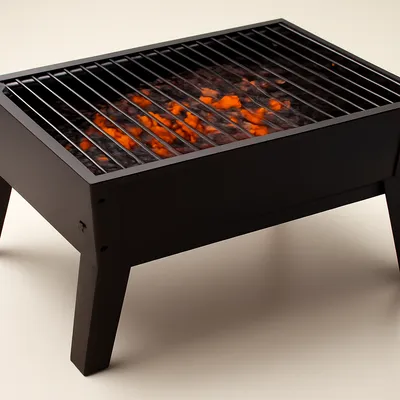
Dakkochi is the skewered grilled chicken of Korean street stalls, bite-size pieces of thigh threaded onto a bamboo stick, often alternating with scallion, and basted with a glossy sauce as they char over the grill. There are two house glazes: a sweet, soy-based teriyaki-style one and a fiery gochujang one, and stalls usually offer both. The chicken is grilled until the edges catch and the sauce caramelizes, then brushed again at the end for a sticky, lacquered finish. Sold hot off the griddle at markets, festivals and roadside carts, it is one of the most popular handheld snacks in the country.



Grilled meat on skewers is ancient and pan-regional, and Korea's own lineage runs back through sanjeok, the skewered grilled dishes of old ritual and banquet tables. Dakkochi as a cheap street snack, though, is a modern pojangmacha and market food rather than a documented historical dish — it has no single inventor or founding date, growing up with Korea's street-cart culture as poultry became plentiful and affordable. The sweet soy glaze owes an obvious debt to Japanese yakitori and teriyaki, while the gochujang version is the thoroughly Korean answer, tuned to the national love of sweet-hot. It is best understood as folk street food: improvised, vendor-to-vendor, and standardized only by taste.
The first bite is all contrast — a sticky, caramelized skin giving way to juicy, tender thigh meat, the char carrying a faint smoky bitterness against the glaze's sweetness. The soy version is mellow and savory-sweet, almost candied at the edges; the gochujang one builds a slow, sweet heat that lingers. Scallion pieces between the meat go soft and sweet on the grill. It eats hot, messy and direct, pulled straight off the stick.
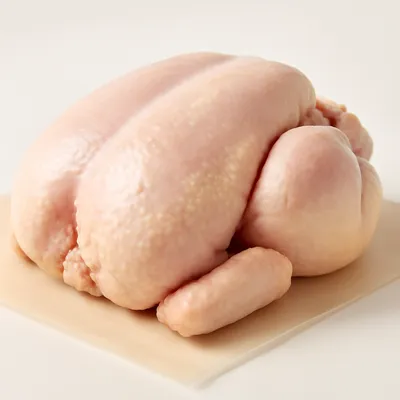
Boneless thigh is the cut of choice because its fat keeps it juicy through high, dry heat where lean breast would dry out. The sauce is brushed on in stages rather than all at once: its sugars must caramelize to build flavor and shine, but painted on too early they scorch, so the meat is grilled most of the way first, glazed near the end, and given a final coat off the heat. That late lacquering is also where the Maillard browning and the caramel notes converge to give the skin its sticky, glossy crust. Soaking the bamboo skewers in water keeps the exposed wood from burning through before the chicken is done.
Variations
The two glazes — sweet soy and spicy gochujang — are the basic fork, and many stalls finish a spicy skewer with a dusting of cheese powder or a squiggle of mayo. Some thread scallion or rice cake between the chicken, turning it toward pa-dak or tteok-kkochi territory; others skip the stick and serve the same glazed thigh as dak-bbang or in a cup. Beyond chicken, the same vendor skewers and sauces run across pork, sausage, fish cake and rice cake, the whole family of kkochi street snacks.
On the Palate
Where Dakkochi sits in the Korean flavor cloud
Ingredients
Serves 4
How it's made
7 steps · 40 min
- 110 min
Cut boneless chicken thigh into bite-size pieces and cut scallion into short lengths.
- 230 min
Soak bamboo skewers in water so they will not burn on the grill.
- 312 min
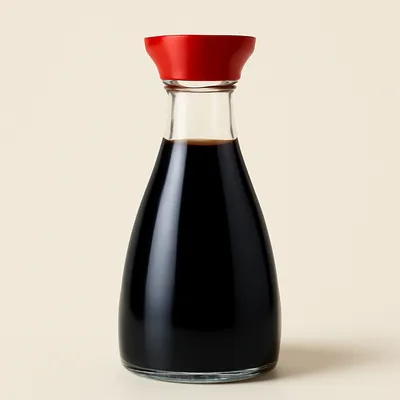
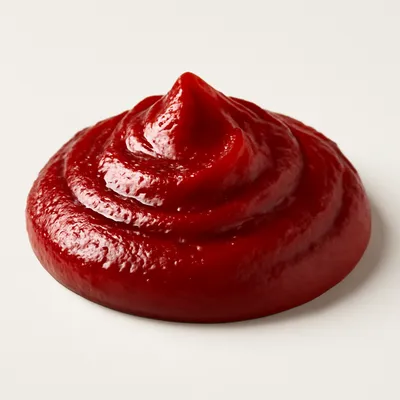
Make the sauce by simmering soy sauce, sugar, mirin, garlic and ginger until slightly thickened; for the spicy version stir in gochujang and gochugaru.
- 45 min
Thread the chicken onto the skewers, alternating with pieces of scallion.
- 58 min
Grill the skewers over medium-high heat, turning, until cooked through and lightly charred at the edges.
Watch outGrill the chicken most of the way before saucing — thigh is juicy when the edges char lightly and the juices run clear.
- 65 min
Brush generously with the sauce and grill a little longer so it caramelizes, turning and basting once more.
Watch outOnly brush the sauce on near the end — its sugars scorch fast, so you want them to lacquer and glisten, not blacken.
- 71 min
Give a final coat of sauce off the heat and serve hot.
Archive tool suggestions — not reviewed
These legacy suggestions have not been evidence-reviewed and are not presented as required tools.