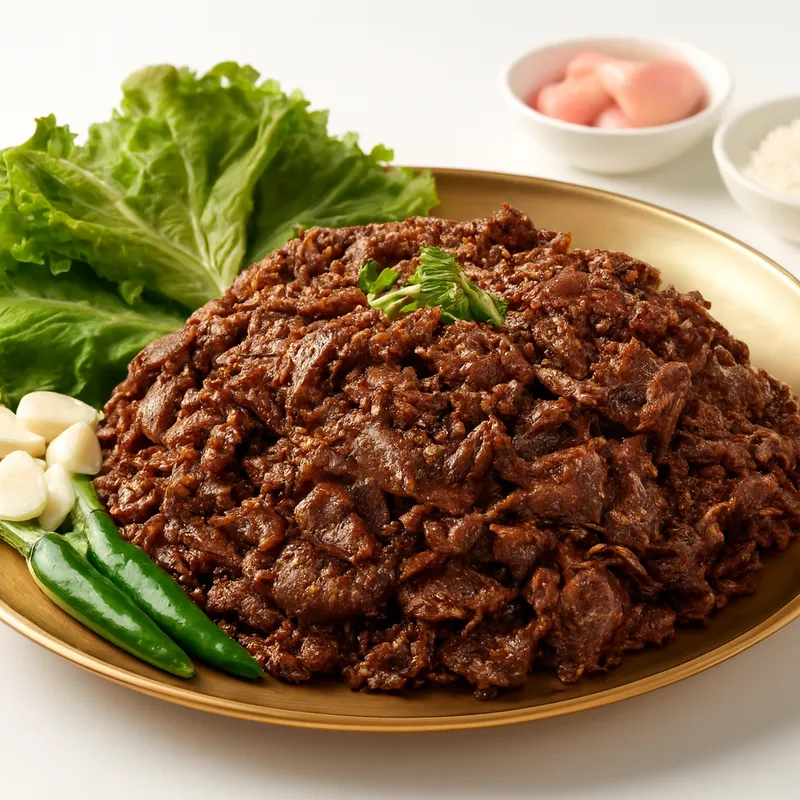
Yangnyeom-gejang is raw blue crab cut up and tossed in a fiery seasoning of gochugaru and gochujang spiked with garlic, ginger, fish sauce, sugar and aromatics, then left in the cold a few days to mellow and meld. It is the spicy sibling of soy-marinated ganjang-gejang — same crab, no brine, all chili — and like its cousin it carries the nickname bapdoduk, the rice thief, for the way the spicy roe and sweet crab make a bowl of plain rice vanish. Where ganjang-gejang is dark, salty and elegant, the yangnyeom version is red, hot, sweet and aggressive, the seasoning clinging in the shell to be sucked out with the meat. People eat it by scraping rice into the back shell and stirring it through the spiced roe.
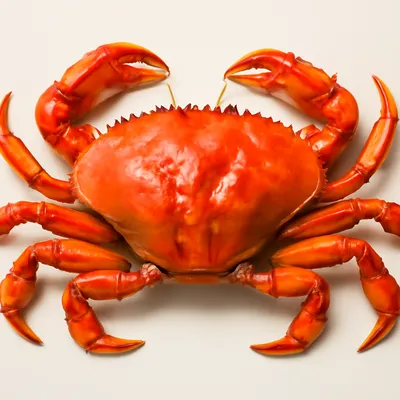

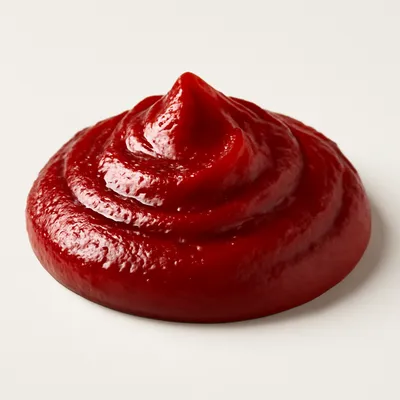



Crab cured in seasoning is old in Korea — gejang appears in Joseon-era texts such as Sanlim Gyeongje and Gyuhap Chongseo, and the early forms used wine lees, salt or, most enduringly, soy brine, the ganjang-gejang that remains the classic. The spicy yangnyeom version is far younger. Red chili itself only became common in the Korean kitchen relatively late, so a gejang built on gochugaru could not be ancient; the dressed, chili-tossed style is generally traced to the decades after the Korean War, growing out of the fresh tossed-crab (gemuchim) habit of the Chungcheong and Jeolla coasts, where crab was eaten dressed rather than long-brined. Its spread also tracks the arrival of the home freezer: since at least the 1970s makers have used crab frozen hard first, which both firms the raw meat and makes the short, lightly fermented cure safer.
The shell cracks to a slick of glossy red paste; inside, the raw crab meat is cool, sweet and almost jelly-soft, sliding from the leg in translucent threads, while the roe is rich and custardy. The seasoning hits hot and sweet at once, gochugaru warmth layered over fish-sauce savor and a sharp lift of garlic and ginger, with sesame on top. It is messy, hands-on food — you suck the spiced meat from each cut leg and scrape the rest of the spice paste, and the roe is saved to mash into rice. Fresh, it tastes clean and bright; after a few days the heat deepens and rounds.
This is not really cooking but a brief cold cure. Cutting the crab open exposes the flesh so the seasoning can penetrate, and salt and sugar in the paste draw moisture from the meat by osmosis, firming its texture and seasoning it through. Gochugaru, gochujang, garlic and ginger are all mildly antimicrobial and, with the salt of the fish sauce, hold spoilage in check during the short rest, while a gentle lactic and enzymatic ferment over a few days rounds the raw edge and deepens the savor. The crucial safeguard is the freezing: blue crab held below about minus twenty for a day kills off parasites, which is why the modern dish leans on sea crab frozen hard rather than the long, high-salt soy brine that older cures used to preserve. Best eaten within days, before the delicate raw meat turns.
Variations
The great divide is spicy versus soy: yangnyeom-gejang against the dark, salty ganjang-gejang made from the same crab. Within the spicy camp, some balance the heat with corn syrup, Korean pear or apple for sweetness and gloss, others push the gochugaru harder; many add a splash of soy or extra fish sauce for depth. The crab itself varies — prized autumn females heavy with roe, or spring crab — and small raw shrimp, octopus or whole tiny crabs get the same fiery treatment. Some cooks dress the crab and serve it almost at once as a quick muchim; others give it three days to a week of cold curing for a deeper, melded flavor.
On the Palate
Where Yangnyeom-gejang sits in the Korean flavor cloud
Ingredients
Serves 4


How it's made
8 steps · 1 hour
- 11440 min
Freeze fresh blue crab hard, below about minus twenty, for at least a full day, then thaw it in the refrigerator.
Watch outFreeze the crab below minus twenty for a full day first — this is the non-negotiable safety step for eating it raw-cured, not optional.
- 215 min
Scrub the thawed crab clean, pry off the top shell, and remove the gills, mouth parts and apron.
- 310 min
Cut each crab in half or quarters so the seasoning can reach the meat, and reserve the roe and the back shells.
- 410 min
Mince garlic and ginger and slice scallion and onion.
- 510 min
Mix gochugaru, gochujang, fish sauce, sugar, corn syrup and the aromatics into a thick seasoning paste and let it sit briefly to bloom.
- 610 min
Toss the cut crab thoroughly through the paste until every piece is coated, working it into the cut faces.
Watch outWork the paste into every cut face so the seasoning reaches the meat — coat the shell only and the inside stays bland.
- 72880 min
Pack into a container, press cling film onto the surface, and cure in the refrigerator for three days to a week.
- 85 min
Finish with toasted sesame seeds and a drizzle of sesame oil, and serve cold with rice to scrape into the shells.
Archive tool suggestions — not reviewed
These legacy suggestions have not been evidence-reviewed and are not presented as required tools.