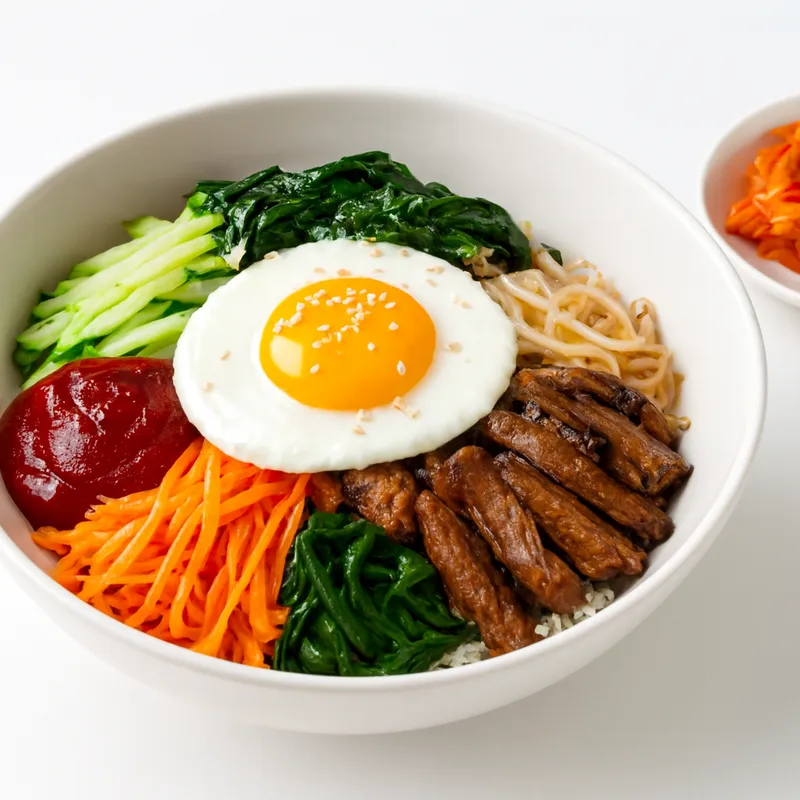
Jumulleok is beef cut into thick chunks, hand-massaged with sesame oil, garlic and salt, and grilled tableside. The name comes from the Korean word for kneading or rubbing with the hands, which is exactly how the seasoning is worked into the meat — by the fistful, just before cooking, rather than left to soak in a wet marinade. The result sits between plain grilled beef and sweet soy-marinated bulgogi: lightly seasoned, full of beefy flavor, with a chewy, satisfying bite. It is a classic of old-school Seoul meat houses, eaten straight off the grill with a dip of sesame-oil salt.




Jumulleok is associated with the meat-trade district of Majang-dong in eastern Seoul, the country's largest livestock-and-meat market, where butchers and nearby grill houses are said to have served just-cut beef seasoned by hand on the spot. The technique reflects that setting: with extremely fresh meat there is no need for a long soak, so seasoning is rubbed in by hand and the beef goes straight to the fire. The dish gained a wider following from the late twentieth century as Seoul's grilled-meat culture expanded. Its exact origin is folk rather than documented, but its identity as a hand-seasoned, market-fresh beef grill is well established.
The chunks are meatier and chewier than thin-sliced bulgogi, with a juicy, fibrous pull that rewards a slow chew. The seasoning is gentle — savory sesame and garlic over clean beef rather than sweet soy — so the meat itself leads. A crisp, browned exterior gives way to a tender, just-pink center, and a dip of sesame-oil salt rounds out the savor.
Hand-rubbing seasons by coating and lightly working the surface, and the mechanical massaging plus the oil and salt help loosen the muscle and draw a thin layer of moisture to the surface, which browns into savory crust on the grill. Because the marinade is dry and brief rather than a long wet soak, the meat keeps its own flavor and firm texture instead of turning soft and sweet. Cutting the beef into thick chunks suits high-heat grilling, letting the outside char while the inside stays juicy; a short rest after massaging lets the salt and oil settle in before cooking.
Variations
Jumulleok is most often made with beef, but a pork version is common in casual eateries. Seasonings vary from a bare salt-and-sesame rub to ones that add a little soy, sugar, black pepper or chili. Some cooks toss in onion and scallion to grill alongside, and leftover pieces are stir-fried with vegetables or served over rice. The same hand-seasoning idea is applied to other quick-grilled cuts in home cooking.
On the Palate
Where Jumulleok sits in the Korean flavor cloud
Ingredients
Serves 3How it's made
6 steps · 15 min active + 15 min waiting
- 16 min
Cut the beef into thick, bite-sized chunks.
- 24 min
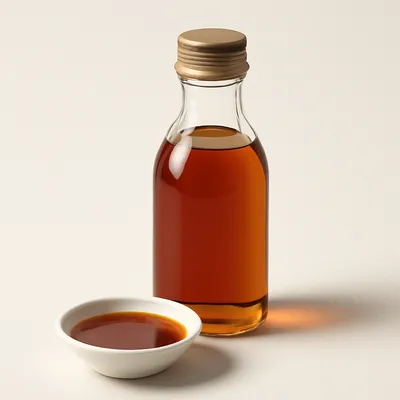
Add sesame oil, minced garlic, salt and black pepper, and massage thoroughly by hand.
Watch outMassage the oil and salt in by hand until a thin sheen of moisture surfaces — that drawn-out layer is what browns into savory crust on the grill.
- 315 min
Let the seasoned meat rest briefly so the flavors settle.
- 43 min
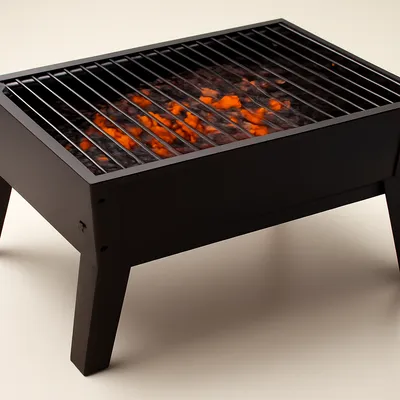
Heat a grill plate or charcoal grill until very hot.
- 54 min
Grill the chunks over high heat, turning, until browned outside and just done inside.
Watch outGrill hot and fast so the outside chars while the thick chunks stay juicy inside — thick cuts want fierce heat, not a slow cook.
- 61 min
Serve hot with sesame-oil salt, lettuce, garlic and ssamjang for wrapping.
Archive tool suggestions — not reviewed
These legacy suggestions have not been evidence-reviewed and are not presented as required tools.