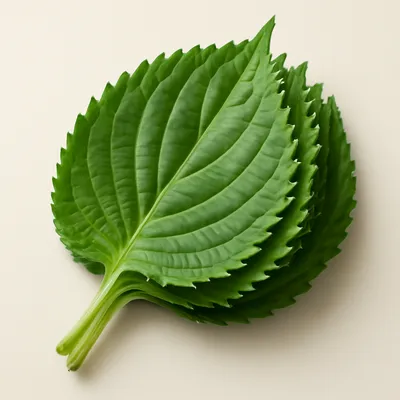
Moksal-gui is grilled pork collar — the well-marbled shoulder muscle that runs along the pig's neck and upper back — the leaner, meatier counterpart to samgyeopsal on the Korean barbecue table. Where pork belly is striped with thick bands of fat, the collar carries its marbling in finer flecks scattered through firm red meat, so it reads as substantial and savory rather than rich. It is a staple of everyday grill houses, valued for being satisfying without feeling heavy, and is just as common in the home kitchen. It is eaten wrapped in leaves with ssamjang, garlic and a dab of salted sesame oil.




Like the rest of Korea's pork-grill repertoire, moksal-gui rose to prominence in the latter half of the twentieth century, when affordable pork and the spread of dedicated grill restaurants turned tabletop barbecue into a national everyday meal. As samgyeopsal became the defining cut, eaters who wanted something less fatty turned to the collar, which offers a meatier bite at a similar price. It became the standard non-belly choice on grill menus and a common cut for home grilling and for marinated stir-fries. Its appeal is straightforward: more lean meat, gentler fat, the same communal ritual of grilling and wrapping.
The chew is firm and meaty, with a clean, slightly sweet pork flavor that comes through clearly because the fat is restrained. Tiny pockets of marbling melt as you eat, keeping the lean from turning dry, while the grilled surface adds a savory char. Wrapped with ssamjang and raw garlic, it tastes hearty and grounded rather than indulgent.
The collar is a much-used muscle, so it is firm and full of connective tissue but threaded with enough intramuscular fat to stay tender on a fast grill. High heat browns the exterior and renders the fine marbling, which lubricates the lean fibers from inside as they cook. Because it is leaner than belly, it dries out faster, so it is sliced a moderate thickness and grilled briskly, then taken off as soon as the pink is gone; resting a moment lets the juices settle before it is cut and wrapped.
Variations
Beyond plain salt-grilling, the collar is the go-to cut for marinated pork — rubbed with gochujang and garlic for spicy jeyuk-bokkeum, or with soy and pear for a sweet bulgogi-style grill. It is sometimes sliced thin for quick pan-frying or thick for a steakier bite. Leftovers go into kimchi stir-fries, fried rice and stews, and the same muscle is braised whole in some home dishes.
On the Palate
Where Moksal-gui sits in the Korean flavor cloud
Ingredients
Serves 3How it's made
6 steps · 15 min
- 15 min
Slice the pork collar into pieces roughly a centimeter thick, across the grain.
- 23 min
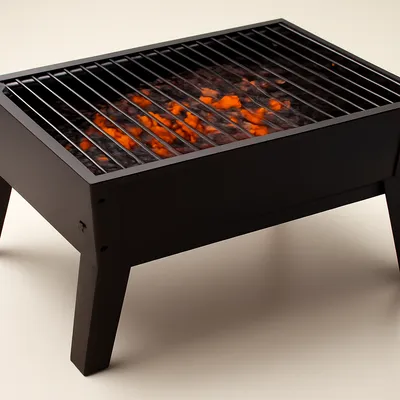
Heat a grill plate or pan over high heat until very hot.
- 33 min
Sear the pieces undisturbed until the underside browns well.
Watch outLeave it untouched until the underside is deep brown — the collar is lean, so you want one hard sear, not repeated flipping.
- 43 min
Flip and grill the other side until just cooked through, no longer pink.
Watch outPull it the instant the pink is gone — this cut dries out faster than belly, so a few extra seconds turns it tough.
- 51 min
Rest briefly, then cut into bite-size pieces.
- 61 min
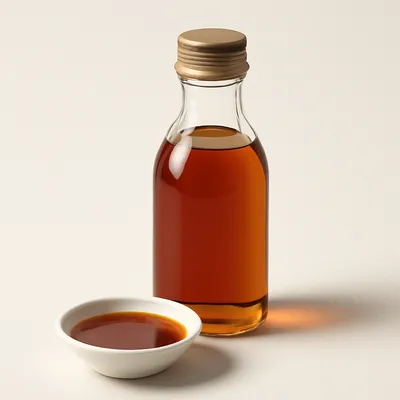
Serve with salted sesame oil, ssamjang, garlic, raw chili and leaves for wrapping.
Archive tool suggestions — not reviewed
These legacy suggestions have not been evidence-reviewed and are not presented as required tools.