
Deep-fried wheat-flour cookies enriched with sesame oil and honey, pressed into flower-shaped molds, then soaked in honey-ginger syrup until the centre turns dense and dark — Joseon court and Buddhist temple sweet.
Yakgwa traces to Goryeo (10-14th c.) Buddhist temple cuisine, where ancestral rites used no meat or fish and honey-and-sesame-oil cookies (yumilgwa) stood in for the meat offerings — often molded into the shapes of fruits like jujube, chestnut, pear and persimmon. The name literally means "medicine-fruit" — yak (medicine) refers to honey, which was classed as medicinal in traditional Korean materia medica. Honey, sesame oil and flour were so costly that demand for yakgwa once drained the country's honey and oil and drove up prices, prompting Goryeo kings to ban its making by law — King Myeongjong in 1192 (ordering nuts and fruit used instead) and King Gongmin in 1353, with offenders flogged. It later became a key jesa (ancestral rite) offering and tea-ceremony confection at the Joseon court, and remains essential at major holidays alongside other hangwa (traditional sweets).
From Goryeo (10-14th c.) Buddhist temple cuisine, where animal fat was forbidden and honey-sesame-oil cookies stood in for ceremonial meat. The name means medicine-fruit — yak (medicine) refers to honey, classed as medicinal in traditional materia medica. Sesame oil cut into the flour first blocks gluten formation; that's why it gives instead of crunches.
Looks like a small carved-flower cookie the colour of dark whiskey. Bite in and it doesn't crunch — it gives, dense and almost cake-like inside, drenched in honey that runs slightly down the chin. The flavour is honey, toasted sesame, ginger heat, a thread of cinnamon. The pleasure is in the saturation: a properly soaked yakgwa is heavier than it looks. If yours is dry-centred and crisp, the syrup soak was too short or the cookie was over-kneaded.
The defining trick is keeping gluten development to near zero. The sesame oil is cut into the flour first — coats the proteins, blocks water absorption, prevents networks from forming. Then the wet ingredients are folded in only enough to bind. The double-fry — slow at 100°C to dry and set, hot at 150°C to colour — creates a porous interior. That porosity is what lets the honey-ginger syrup permeate during the long soak; without it you'd get a glazed-but-dry cookie.
Variations
Standard flower-mold yakgwa is the temple/jesa form; modern Andong yakgwa is sold pillow-shaped; Gaeseong-style runs darker with more ginger; small bite-size variants in Seoul tea shops; matcha and black-sesame are recent updates.
On the Palate
Where Yakgwa sits in the Korean flavor cloud
Ingredients
Serves 8
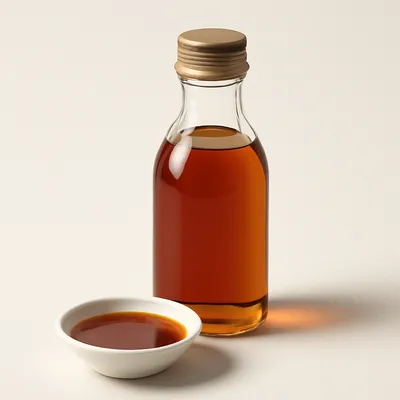
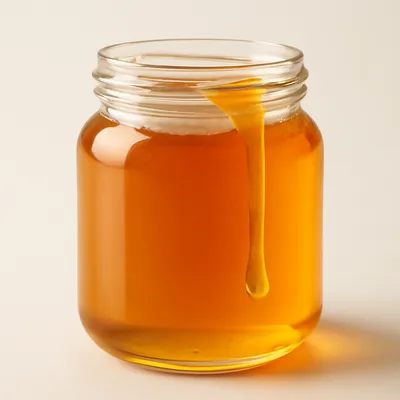


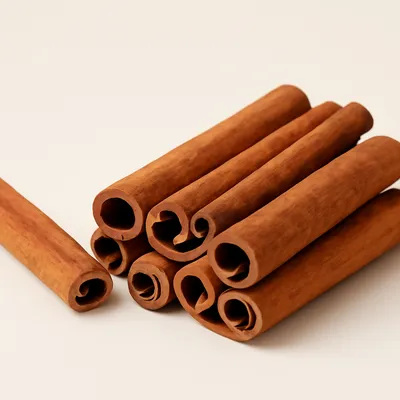




How it's made
6 steps · 1 hour active + 2 hours waiting
- 18 min
Mix 250g wheat flour, 1/2 tsp salt, 1/2 tsp ground ginger, 1/2 tsp cinnamon. Rub in 60ml toasted sesame oil with fingertips until sandy — this is the load-bearing fat.
Watch outRub the sesame oil into the flour until it feels like damp sand — this fat coating is what keeps the dough tender instead of tough.
- 25 min
In a bowl whisk 60ml honey, 30ml soju (or rice wine), 30ml water. Pour into the flour. Fold gently with a spatula — do NOT knead. Stop the moment it comes together, even if shaggy. Overworking builds gluten and makes yakgwa hard.
Watch outFold just until it clumps together and stop, even if it looks shaggy — knead it smooth and you build gluten that bakes hard.
- 315 min
Roll dough 1.2cm thick on a lightly floured board. Press into yakgwa flower molds, or stamp with a 3cm cutter and prick each cookie 3-4 times with a fork (lets oil penetrate and prevents puffing).
- 412 min
First fry: heat neutral oil to 100°C. Slide cookies in. They sink, then slowly rise after 6-7 minutes — surface stays pale. Lift out and rest 5 minutes.
Watch outEnsure the oil is at the correct temperature to avoid greasy cookies.
- 58 min
Second fry: raise oil to 150°C. Return cookies and fry 5 minutes until deep amber and the fork-prick channels show clearly. Drain.
Watch outSecond fry is done when it turns deep amber and the fork holes stand out clearly — that open channel is how the syrup soaks to the core.
- 610 min
Make syrup: simmer 200g honey, 100ml water, 2 sliced ginger coins, 1 cinnamon stick for 5 minutes. Cool to warm. Submerge fried cookies fully — weight with a plate if they float — and soak 2 hours minimum, ideally overnight. The cookie absorbs syrup all the way through, turning dark and dense.
Watch outKeep the cookies fully under the syrup, weighting them if they bob up — any part poking out stays dry and won't darken through.
Archive tool suggestions — not reviewed
These legacy suggestions have not been evidence-reviewed and are not presented as required tools.


