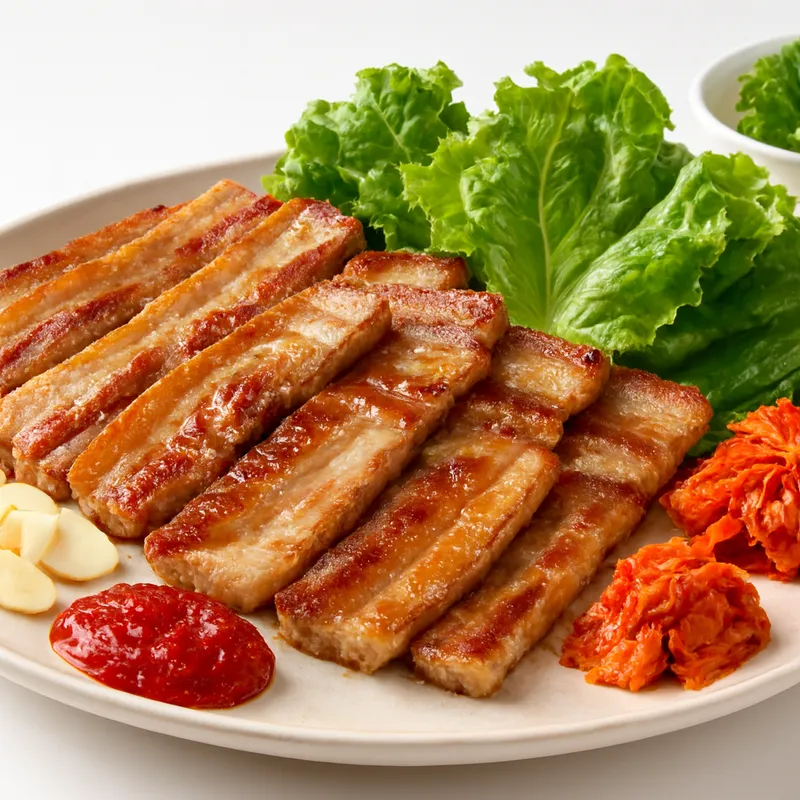
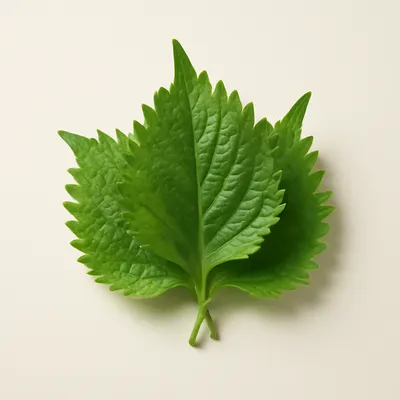
Juicy and smoky Jeju black pork belly, perfectly grilled with a touch of salt and garlic, wrapped in fresh lettuce and perilla leaves, dipped in ssamjang.




Jeju Island has raised black pigs (heuk dwaeji) for over 1,000 years; the breed is documented in Goryeo-era records (10th–14th c.). Traditionally pigs were kept in dottongsi — combination pigsty-toilets — where they ate household waste, including human, which Jeju islanders claim concentrated the meat's flavor. The practice ended in the 20th century; the breed and the grilled-with-just-salt habit remained.
Jeju has raised black pigs for over 1,000 years — the breed shows up in Goryeo records (10th–14th c.). Intramuscular fat runs around 3% versus 1.5% for commercial breeds, which is why the local technique grills 1.5–2 cm cuts thick over coals with salt only — marinade would mask the breed's nuttiness.
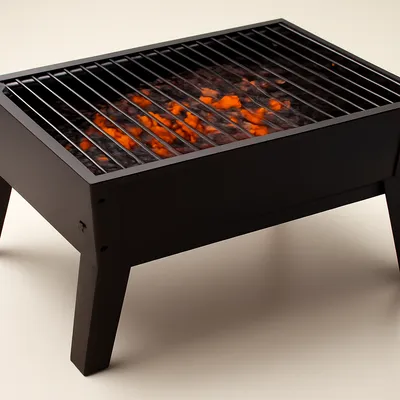
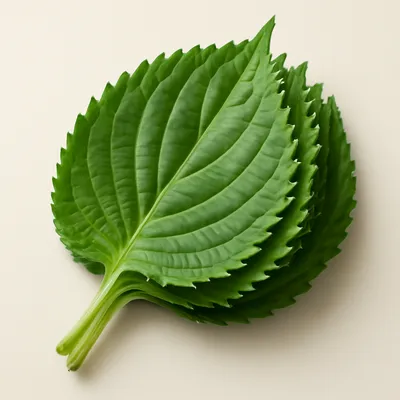
Thick-cut Jeju black pork belly grilled over charcoal at the table, fat rendering until the edges crackle. Salt, sometimes garlic, nothing else — no marinade. You wrap a piece in lettuce or perilla leaf with raw garlic, green chili, a smear of ssamjang, and a grain or two of coarse salt. The pork tastes faintly nutty, almost like aged ham; that's the breed, not the seasoning.
Jeju black pork actually has LOWER intramuscular fat and lighter carcass weight than commercial breeds, but a denser, finer muscle fiber and more lean meat — which gives it a firm, chewy texture with little gaminess, and lets it tolerate high charcoal heat — which is why the local technique grills thick (1.5–2 cm) cuts directly over coals rather than thin-slicing for samgyeopsal. Marinades would mask the breed's nuttiness. The salt-only treatment is a flex, not a shortcut.
Variations
Jeju City classic (charcoal-grilled belly, salt only); Seogwipo south-coast style (with meljeot anchovy-sauce dip instead of ssamjang); Pyoseon village version (whole-skin-on cuts, pre-blanched); modern Seoul Jeju-pork specialists like Donsadon serving thicker pork-neck cuts.
On the Palate
Where Heuk Dwaeji Gui sits in the Korean flavor cloud
Cut the belly thick (1.5–2 cm) and grill over real charcoal heat with salt only — the dense Jeju pork wants time to render and char, and a marinade would only mask its nutty flavor.
Ingredients

How it's made
5 steps · 45 min
- 14 min
Slice the pork belly into thick pieces.
Watch outEven 1.5–2 cm slabs cook evenly; thin patches burn while thick ones stay raw.
- 22 min
Season with salt and minced garlic.
- 38 min
Preheat a grill and place the pork belly slices on it.
- 48 min
Grill until the meat is crispy on the outside and juicy on the inside.
Watch outReady when the edges are lacquered and crisp and the fat has gone glassy and translucent — press it and clear juice beads up.
- 52 min
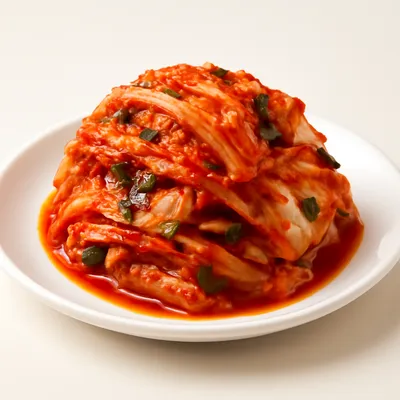
Serve with fresh lettuce and perilla leaves, kimchi, and ssamjang.
Archive tool suggestions — not reviewed
These legacy suggestions have not been evidence-reviewed and are not presented as required tools.