
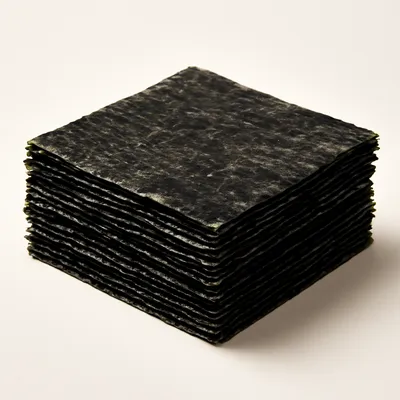
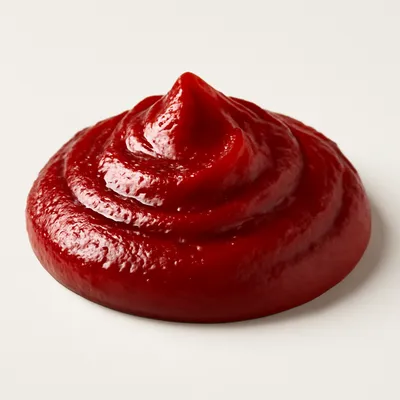
Gwamegi is a winter delicacy of Pohang's Guryongpo coast: oily fish hung outdoors in the cold sea wind, freezing through the night and thawing by day until it dries down to a chewy, deep-flavored half-cure. Around Guryongpo it is made from saury, while Yeongdeok keeps to the older herring; either way the fish is never cooked. Diners cut the dried fillets into bite pieces and wrap them in roasted laver or fresh seaweed with raw garlic, green chili, and a smear of cho-gochujang. The taste is rich, faintly funky, and intensely savory, the kind of thing Koreans drink soju with on a cold night.




Gwamegi was originally made from herring (cheongeo), and the name comes from gwanmogeo, meaning fish dried strung through the eyes; in the Guryongpo dialect the word for eye, mok, became megi, so gwanmegi softened to gwamegi. When herring catches collapsed from the 1960s, Pohang fishermen switched to the saury that was then abundant, and saury gwamegi became the standard around Guryongpo. The method depends on the local climate: the fish hangs through the deep-winter cycle of nightly freezing and daytime thawing, which dries and ferments it slowly without spoiling. Curiously, as saury catches fell and herring returned in the 2020s, traditional herring gwamegi has been making a comeback.
Chewy and yielding, with the concentrated oily richness of cured fish and a clean, briny tang from the sea wind. Wrapped with garlic, chili, and laver, each bite layers funk, heat, and the marine sweetness of seaweed; the texture is somewhere between sashimi and jerky.
The repeated freeze-thaw of deep winter is the key: ice crystals form in the flesh each night and rupture cell walls, so when the fish thaws by day moisture escapes and the texture turns dense and chewy. As the water leaves, enzymes and the fish's own oils slowly transform the flesh, deepening savor and developing a mild fermented aroma without letting spoilage take hold, because the cold and falling water activity keep bacteria in check. Saury and herring both carry enough fat to stay supple rather than drying brittle.
Variations
The two great styles are saury gwamegi (Guryongpo) and herring gwamegi (Yeongdeok), the latter fattier and more strongly flavored. Wrapping greens differ by table: dried laver, fresh miyeok or dasima, raw napa, and perilla leaf are all common, with cho-gochujang, raw garlic, and green chili the usual companions. Some prefer it slightly drier and chewier, others softer and oilier.
On the Palate
Where Gwamegi sits in the Korean flavor cloud
Ingredients
Serves 4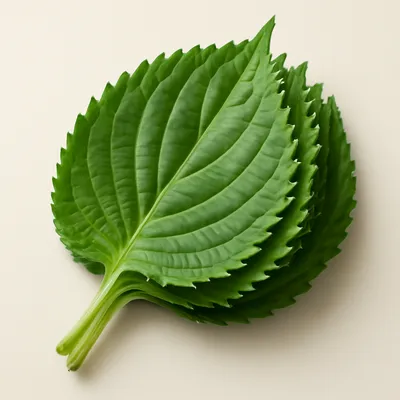
How it's made
6 steps · 30 min
- 110 min
Select fresh whole saury (or herring); leave whole for the traditional cure or split and bone for the faster method.
- 25 min
Hang the fish outdoors in cold, dry sea wind where nights freeze and days thaw.
- 34300 min
Let it cure through several days of nightly freezing and daytime thawing until firm, chewy, and half-dried.
Watch outCure until the fish is firm, chewy and only half-dried — dried out fully it goes hard and brittle instead of dense and supple.
- 48 min
Trim and cut the cured fillets into bite-sized pieces.
- 55 min
Set out roasted laver and fresh seaweed with raw garlic, sliced green chili, and cho-gochujang.
- 62 min
Wrap a piece of gwamegi with garlic and chili in the laver or seaweed and eat at once.
Archive tool suggestions — not reviewed
These legacy suggestions have not been evidence-reviewed and are not presented as required tools.


