
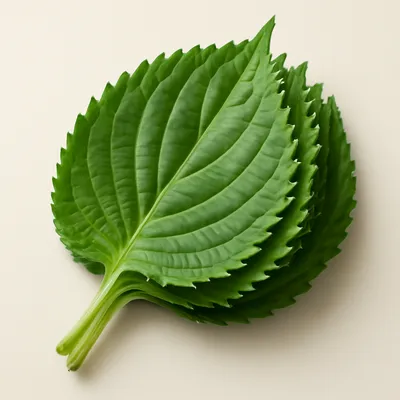
A cold raw-fish soup from Jeju Island, built on jari (Chromis notata, the pearl-spot chromis or damselfish), a small reef fish caught off the south coast. The fish is scaled, gutted, and sliced thin on the diagonal bone-in, then dressed with raw doenjang (soybean paste), gochujang, and vinegar before iced water is poured over to make a broth. Cucumber, perilla leaf, garlic chives, onion, and green chili go in alongside, and prickly-ash leaf (chopi) is often added for fragrance. It is eaten cold in the heat of summer, sour and savory, frequently over a scoop of barley rice. As a mulhoe — literally a "water hoe," a raw fish dish loosened with liquid — it is one of the defining dishes of the Jeju table.


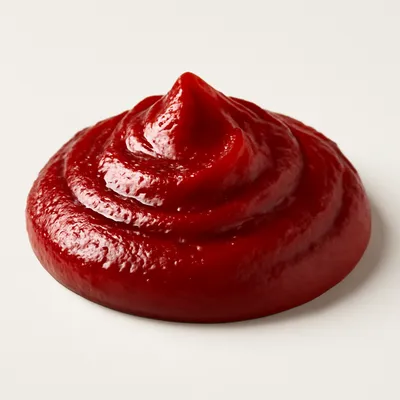


Jarimulhoe is a Jeju summer staple rooted in the island's lack of cold storage: before refrigeration, dressing raw fish with fermented soybean paste and a sour vinegar broth was a way to eat hoe in heat that could spoil fish within half a day, and the acidity also lowered the risk of food poisoning. The jari is small and soft enough to slice and eat bone-in, and its season runs from May, when the barley ripens, through the summer; flavor is held to peak in May and June and to fall off after the fish spawn in July. Within Jeju the fish from Bomok-ri, on the sheltered south coast behind Hallasan, is prized for mulhoe because its fish run small and tender, while the larger, current-fighting fish of Moseulpo are favored grilled. The dish remains tied to Bomok, where the Bomok Jaridom Festival is held each year in late May and early June; the exact origin of the recipe is unrecorded.
It arrives cold enough to fog the bowl, the broth a cloudy tan from raw doenjang and sharp with vinegar. The fish slices are firm and a little chewy, and you feel the fine bones as a faint crunch rather than a hazard — that bone-in bite is the point. Flavor runs sour first, then the deep savor of fermented soybean, then the cool green of cucumber and perilla and a late prickle of chili. With barley rice spooned in, the cold broth turns into something closer to a meal. If the fish is mushy or the broth flat, the jari wasn't fresh or the vinegar was held back.
The cold broth does the work that heat usually would. Vinegar's acid denatures the surface proteins of the raw fish, firming the flesh and tightening its texture much as a brief cook would, while the low pH suppresses spoilage bacteria — the practical reason a sour mulhoe was safe to eat in Jeju's heat. Raw, unheated doenjang carries its full load of glutamate from fermentation, so the broth tastes deeply savory without any stock or boiling. The small size of the jari is what makes bone-in slicing possible: its skeleton is fine and soft enough to chew, and cutting the fish thin on the diagonal shortens each bone so it never catches. Everything is kept iced because the dish is built to be eaten cold, the chill sharpening the vinegar and the doenjang both.
Variations
Squid mulhoe (hanchi-mulhoe) uses sliced cuttlefish in the same cold doenjang broth and is the other classic Jeju version; abalone, conch, and flying-fish mulhoe also appear. The same jari is served grilled (jari-gui), salt-fermented into jari-jeot, and as plain raw slices (jari-hoe). Mainland mulhoe, as in Pohang and the east coast, leans on a sweeter, redder gochujang base rather than Jeju's raw doenjang, and the jari is replaced by flatfish or other white fish.
On the Palate
Where Jarimulhoe sits in the Korean flavor cloud
Ingredients
Serves 4


How it's made
8 steps · 30 min active + 5 min waiting
- 18 min
Scale the jari, then remove the heads, fins, and innards; rinse and pat dry.
- 27 min
Slice each fish thin on a steep diagonal so the bones are cut short, leaving the small bones in; sprinkle the slices with a little vinegar and set aside.
Watch outSprinkle the sliced fish with a little vinegar and let it sit — the acid firms and tightens the raw flesh much as a brief cook would, and it is what makes the mulhoe safe to eat cold.
- 36 min
Cut cucumber into matchsticks, slice onion thin, chop perilla leaf, garlic chives, green chili, and red chili; finely chop prickly-ash leaf if using.
- 43 min
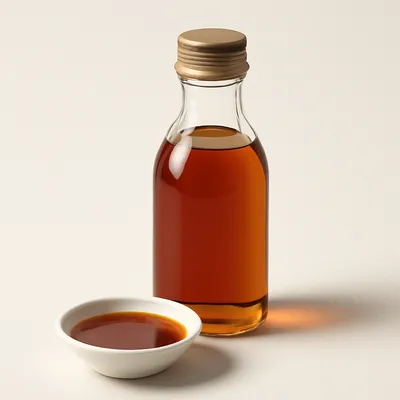
Make the dressing: combine raw doenjang, gochujang, gochugaru, minced garlic, minced ginger, sugar, and sesame oil into a paste.
- 52 min
In a large bowl, toss the vinegared fish with the dressing until every slice is coated.
- 62 min
Add the cut vegetables and toss again so the dressing distributes.
- 72 min
Pour in ice-cold water to reach a soupy consistency, adjust with more vinegar, sugar, and salt to a sharp sweet-sour-savory balance.
Watch outPour in ice-cold water and balance it sharp — sweet, sour and savory all pronounced; the raw doenjang carries deep umami with no stock at all.
- 82 min
Add a handful of ice, scatter toasted sesame seeds over the top, and serve cold, with barley rice alongside.
Archive tool suggestions — not reviewed
These legacy suggestions have not been evidence-reviewed and are not presented as required tools.


