Korean seaweed rice rolls filled with seasoned vegetables, egg, and protein, a beloved lunch and picnic staple.





Long believed to derive from Japanese norimaki introduced during the colonial period (1910–45), more recent Korean scholarship traces a parallel native tradition of rice-in-seaweed (bokssam) predating Japanese influence. Either way, the modern kimbap form — sesame-oil rice rather than vinegared, multiple fillings rather than one — stabilized in 1950s–60s school lunches and remains distinct from Japanese maki.
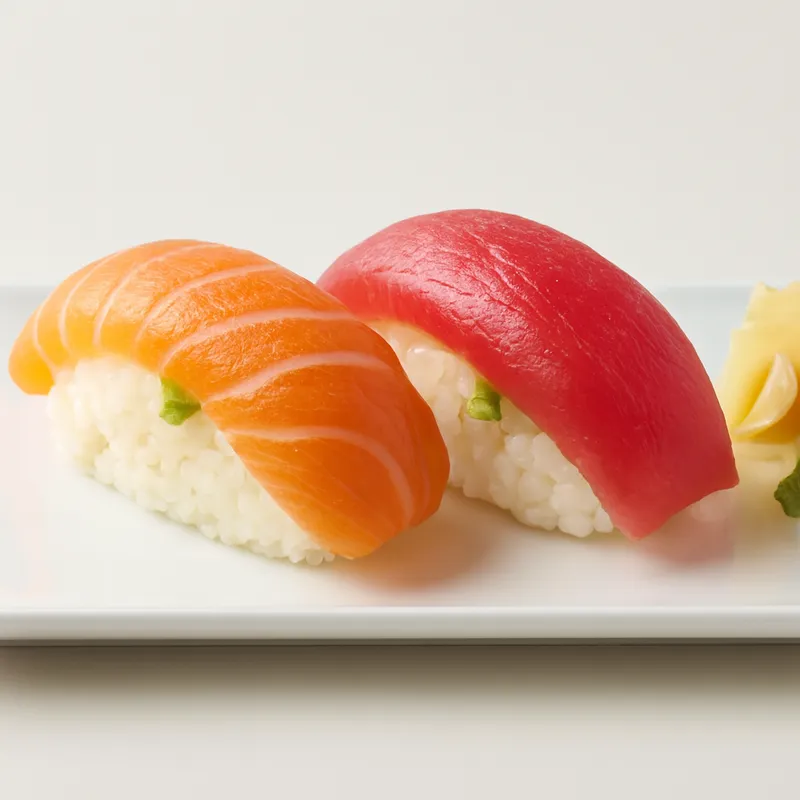
Often called Korean sushi, but the rice is sesame-oil-and-salt seasoned, not vinegared — that's the whole argument. Picnic food since the 1950s, sold by the foot at Gwangjang Market.
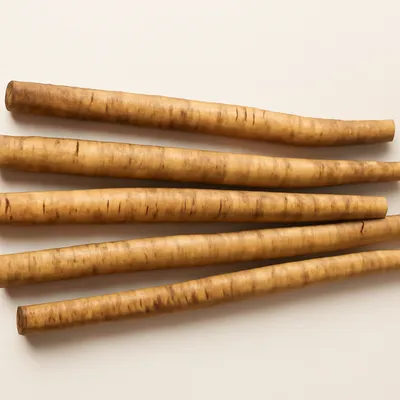
A roll of seasoned rice and fillings wrapped in roasted seaweed, sliced into one-bite rounds. Filling stripes show in cross-section: yellow pickled radish (danmuji), orange carrot, green spinach or perilla, brown burdock or bulgogi, white egg. Rice is dressed with sesame oil and salt — not vinegar like sushi. Packed cold for picnics, school lunches, train rides. Eaten with bare fingers.
Sesame oil on the rice is the load-bearing detail — it coats each grain, slows moisture loss, and keeps the rice palatable cold for 6+ hours, which vinegared sushi rice cannot do (sushi rice goes stiff in the fridge). This is why kimbap travels and sushi doesn't. The seaweed is also lightly toasted before rolling, never raw, which gives it the faint smoky note.
Variations
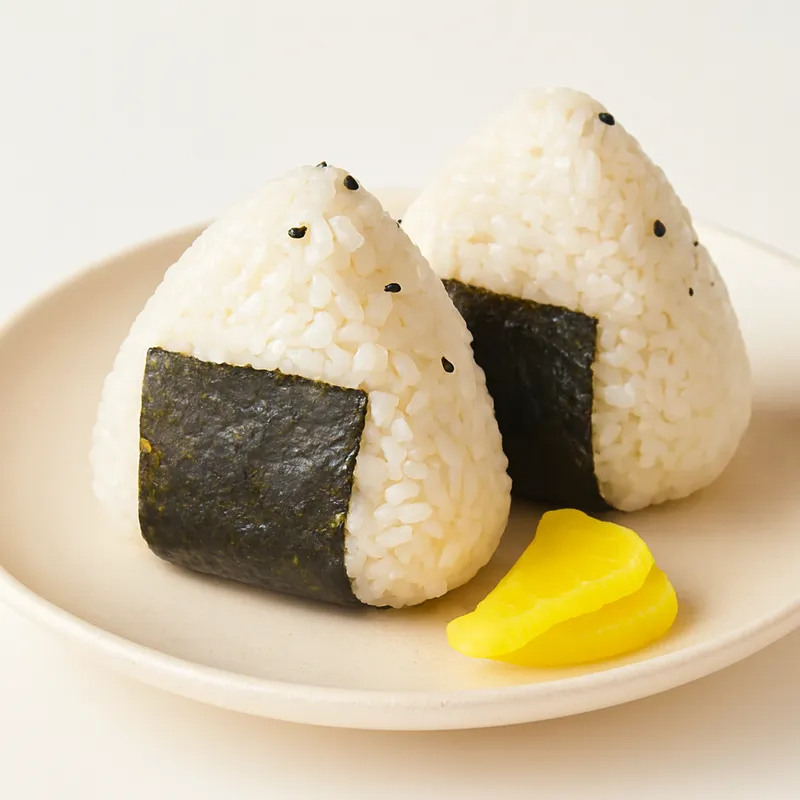
Chungmu kimbap (tiny rolls, rice only, served with squid and radish kimchi); samgak kimbap (triangular convenience-store version); nude kimbap (rice outside); chamchi (tuna mayo) is the modern bestseller.
On the Palate
Where Kimbap sits in the Korean flavor cloud
Ingredients

How it's made
6 steps · 45 min
- 115 min
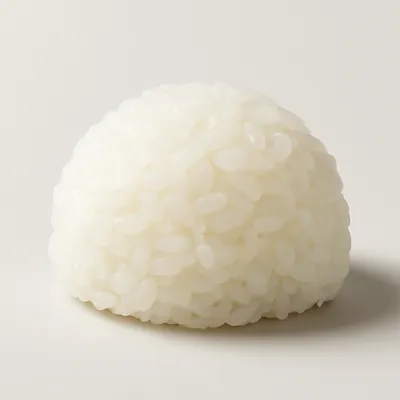
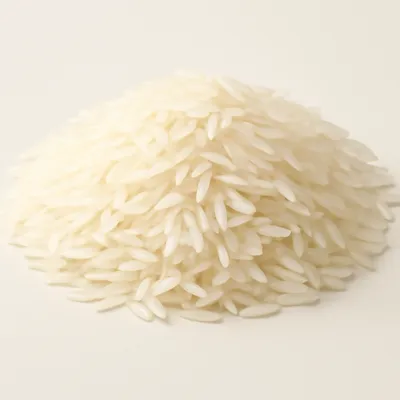
Cook the rice until tender and sticky, then let it cool slightly. Mix with a touch of sesame oil and salt for flavor.
Watch outEnsure the rice is sticky enough to hold together when rolled.
- 25 min
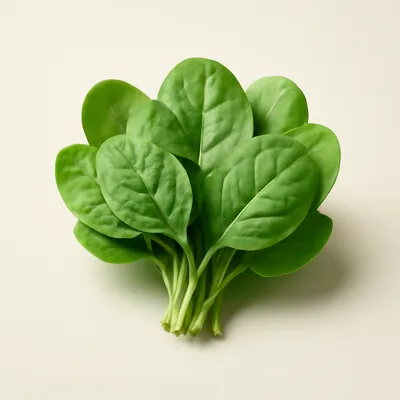
Blanch spinach briefly in boiling water until just wilted, then plunge into ice water to preserve its bright green color. Squeeze out excess water and season with sesame oil and salt.
Watch outPull the spinach the instant it wilts and shock it in ice water — a few seconds too long and it goes olive and slimy instead of bright green.
- 35 min
Julienne carrots and sauté them in a pan with a little sesame oil until slightly softened and fragrant.
Watch outAvoid overcooking the carrots; they should retain some crunch.
- 45 min
Beat eggs and cook them in a lightly oiled pan until set, forming a thin omelette. Slice into strips.
Watch outKeep the heat low and don't brown the egg — you want a pale, just-set sheet that stays tender, not a crisp fried edge.
- 510 min
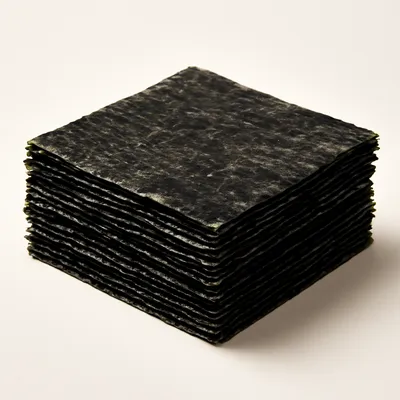
Lay a sheet of nori on a bamboo mat, shiny side down. Spread a thin, even layer of rice over the nori, leaving a margin at the top edge. Arrange spinach, carrots, egg strips, and any other fillings in a line across the center.
Watch outLeave a rice-free strip along the top edge — that bare band of seaweed is the glue that seals the roll shut.
- 65 min
Using the mat, roll the nori tightly from the bottom, pressing firmly to seal. Slice the roll into bite-sized pieces with a sharp knife.
Watch outUse a sharp knife to slice the roll cleanly without crushing it.
Archive tool suggestions — not reviewed
These legacy suggestions have not been evidence-reviewed and are not presented as required tools.