
The maki form is Edo-period (17th–19th century), but tobiko-coated rolls (uramaki with roe outside) are a US-Japanese hybrid from 1960s–70s Los Angeles, where chef Ichiro Mashita at Tokyo Kaikan adapted nori-outside maki to nori-inside (uramaki) for American diners uncomfortable with seaweed exterior. Tobiko coating became standard on California rolls and spread back to Japan as a Western-Japanese menu item.
Ichiro Mashita at Tokyo Kaikan in 1960s LA flipped nori inside for diners who balked at seaweed; the tobiko shell came along for the ride. The 24-hour brine-cured chitin is what makes the pop.
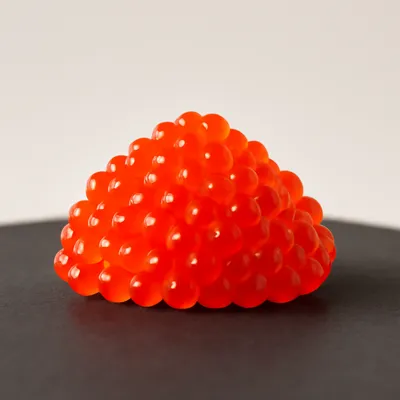
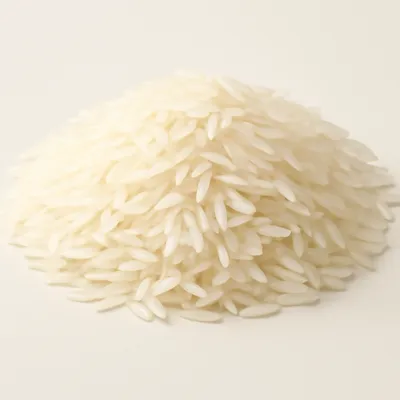
Cylindrical maki cut into six pieces, the outside coated in a layer of bright orange tobiko (flying fish roe) that pops between teeth — a tiny saline crackle in every bite. Inside: vinegared rice and a vegetable or seafood core (cucumber, avocado, crab stick). Less wasabi than nigiri because the tobiko already brings salt and a faint fishiness. Eat in one bite per piece.
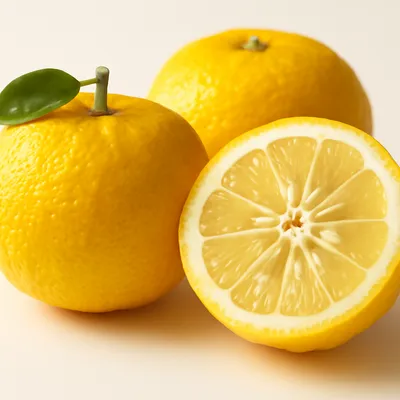
Tobiko's pop comes from a thick chitin shell that cures in salt brine for 24+ hours; fresh roe has no crunch. Color is dyed: natural tobiko is dull orange, but commercial tobiko is tinted black (squid ink), red (beet), green (wasabi), or yellow (yuzu). Apply to the outside of the roll while the rice is still tacky; rolling tobiko inside the rice instead of on it kills the texture entirely.
Variations
Black squid-ink tobiko, beet-red, wasabi-green, yuzu-yellow at any LA shop; California roll is the parent form, Philadelphia roll subs cream cheese and smoked salmon, rainbow roll lays sashimi over the tobiko coat.
On the Palate
Where Tobiko Maki Rolls sits in the Japanese flavor cloud
Put the tobiko on the outside of the roll while the rice is still tacky, not inside it — the pop comes from the roe's salt-cured shell touching your tongue, and burying it in rice smothers the crunch completely.
Ingredients


How it's made
4 steps · 28 min
- 115 min
Rinse the sushi rice under cold water until the water runs clear. Cook according to package instructions, ensuring the grains are sticky but not mushy.
Watch outRinse until the water runs clear, then cook so the grains are shiny and sticky but still hold their shape — mushy rice can't be rolled.
- 25 min
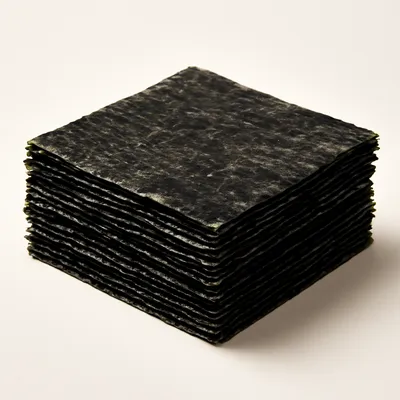
Lay a sheet of nori on a bamboo sushi mat. Spread a thin, even layer of cooked rice over the nori, leaving a 1-inch border at the top edge.
Watch outMake sure to leave enough border to seal the roll properly.
- 33 min
Place thin strips of cucumber and avocado across the center of the rice. Sprinkle tobiko evenly over the top for a burst of color and texture.
Watch outScatter the tobiko in an even single layer across the surface — clumps make some bites all pop and others empty.
- 45 min
Using the mat, carefully roll the nori over the filling, pressing gently but firmly to seal. Slice the roll into even pieces with a sharp knife.
Watch outPress the mat firmly enough to feel the roll tighten into a cylinder, then ease off — too hard and the rice squeezes out the ends.
Archive tool suggestions — not reviewed
These legacy suggestions have not been evidence-reviewed and are not presented as required tools.