
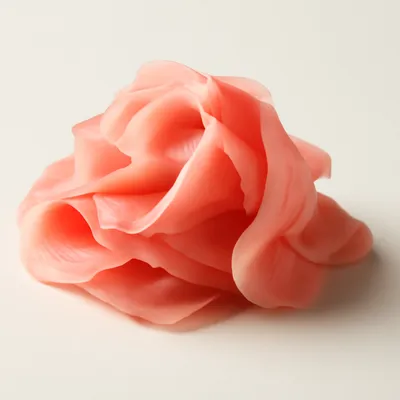
Makizushi is the rolled-sushi family of Edomae cuisine: vinegared rice (shari) and fillings rolled inside a sheet of toasted nori on a bamboo mat (makisu), then cut into rounds. The category covers several forms — thin hosomaki of a single filling, about 2–3 cm across (tuna tekka-maki, cucumber kappa-maki); thick futomaki, 5 cm or more, built from several fillings around a colourful core; and inside-out uramaki, with the rice on the outside and the nori within. A whole sheet of nori is laid shiny-side down, spread with rice, layered with filling, rolled under even tension, and sliced with a wet knife into six or eight pieces. It is served at room temperature as a starter or a light main, with soy sauce, wasabi and pickled ginger.


Rolled sushi grew out of the spread of sheet nori in Edo. Nori cultivation in Tokyo Bay is generally dated to the early 1700s around Shinagawa and Omori, and by about 1717–1718 fishermen and craftsmen in Asakusa were pressing nori into thin square sheets by borrowing the mould-and-strainer method of Asakusa washi papermaking — the sheet form that makizushi requires. The earliest known textual record of the dish is the word 'makizushi' (巻鮓) in the 1750 recipe book Ryori Sankai-kyo; a near-modern rolled form appears in the 1776 Shinsen Kondate Burui-shu, and several varieties are described in the 1802 Meihan Burui, placing the rise of makizushi in mid-Edo Edomae cooking. The thick futomaki is tied to the Setsubun custom of eating an uncut roll while facing the year's lucky direction (ehomaki); the practice is said to have begun among Osaka merchants, though its exact origin is unrecorded, and its nationwide spread followed convenience-store promotion after 7-Eleven began selling Setsubun rolls in 1989.
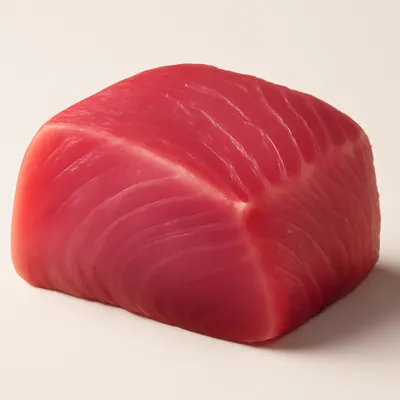
A clean round eats in two or three bites. The toasted nori gives a brittle snap and a dark, marine-savoury edge that yields to the soft, faintly sweet-sour rice; the grains stay distinct and loosely packed rather than mashed. A thin hosomaki is rice-led with a single bright note of filling — the iron tang of raw tuna, the cool crunch of cucumber. A futomaki layers contrasts in one mouthful: sweet simmered shiitake and kanpyo gourd, the custard of tamagoyaki, a streak of seasoned vegetable. Eaten fresh the nori is crisp; left to sit it softens to a pliant, leathery chew.
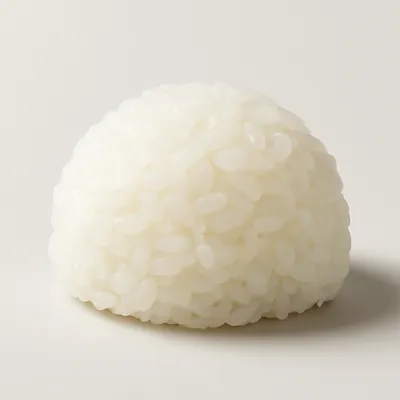
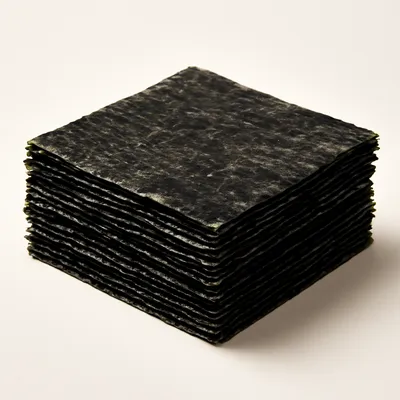
The rice is the structure. Hot cooked rice is folded with sushi vinegar — rice vinegar, sugar and salt, a base ratio often taught around 5:2:1 — and fanned to body temperature, roughly 37°C, the point at which the seasoning's aroma carries and the grains stay glossy without turning hard or gummy. The acetic acid softens each grain's surface and lowers the pH, seasoning the rice and helping it keep. Toasting drives moisture from the nori and crisps it, so it is laid shiny (smooth) side down against the mat with the rough side to the rice; the dry sheet then absorbs surface moisture from the rice and grips it, which is why a roll is best cut and eaten before the nori goes leathery. Rolling tension is the craft: tight enough that the cylinder holds its shape and the cut faces stay clean, loose enough that the rice keeps air and does not compress into paste. The knife is wiped and dampened between cuts so the wet blade slides through nori and rice without dragging or tearing.
Variations
Hosomaki are the thin single-filling rolls — tekka-maki with tuna, kappa-maki with cucumber, and rolls of pickled radish or natto. Futomaki are the thick festival rolls of several fillings, of which the Setsubun ehomaki, often built from seven ingredients for the Seven Lucky Gods, is the best known; the Kansai region also has decorative kazari-maki cut to show a pattern in cross-section. A temaki is the same components hand-rolled into a cone rather than cut. The inside-out uramaki, rice on the outside, is generally associated with sushi abroad and with the California roll developed in the United States, and is often finished with sesame or roe on the rice.
On the Palate
Where Makizushi sits in the Japanese flavor cloud
Ingredients
Serves 4

How it's made
9 steps · 40 min active + 30 min waiting
- 115 min
Rinse short-grain sushi rice until the water runs clear, then cook it slightly firm and let it steam off the heat.
- 212 min
Warm rice vinegar with sugar and salt until dissolved, fold it through the hot rice with a cutting motion, and fan the rice to body temperature.
Watch outFan the vinegared rice down to body temperature, around thirty-seven degrees — too hot it turns gummy, too cold it goes hard and won't take the seasoning gloss.
- 35 min
Lightly toast each nori sheet over a flame or in a dry pan until crisp and fragrant.
- 44 min
Lay a nori sheet shiny-side down on the bamboo mat and spread an even layer of rice, leaving a clear border along the far edge.
Watch outLeave a clear border of bare nori along the far edge — that dry strip is where the roll seals shut, so don't cover it with rice.
- 54 min
Lay the fillings in a line across the rice, a single filling for hosomaki or several for futomaki.
- 63 min
Lift the mat and roll the nori over the filling under even tension, sealing along the bare border.
- 72 min
Shape the roll lightly in the mat, then rest it seam-side down for a minute to set.
- 85 min
Slice into six or eight pieces with a wet, sharp knife, wiping and dampening the blade between cuts.
Watch outSlice with a wet, sharp knife, wiping and dampening the blade between cuts — a dry or dull blade drags and crushes the roll flat.
- 92 min
Arrange cut-side up and serve with soy sauce, wasabi and pickled ginger.
Archive tool suggestions — not reviewed
These legacy suggestions have not been evidence-reviewed and are not presented as required tools.


