Temaki is a hand-rolled form of sushi shaped into a cone. A half-sheet of crisp nori is held in the palm, spread with a thin diagonal of vinegared rice, topped with fillings such as raw tuna or salmon, cucumber, avocado, salmon roe or rolled omelette, and wrapped by hand into an open-topped cone — no bamboo mat is used. Unlike pre-cut maki, it is assembled at the table and eaten immediately, while the seaweed is still dry and crackling. It is a casual, home-style sushi, most associated with temaki-zushi gatherings where the host lays out the rice and fillings and each diner rolls their own.

Temaki is a modern, casual offshoot of Edomae (Tokyo-style) sushi, and the exact origin of hand-rolled sushi is not well documented. The now-standard cone shape is generally credited to Tsukiji Tamasushi, which in 1971, on opening in Ginza's Ginza Core building, introduced a fan-shaped (suehiro) hand roll at a uniform low price to make sushi approachable for young customers; the third-generation owner is said to have been inspired by youths walking through Ginza eating soft-serve ice-cream cones. Older folk accounts also circulate — that hand-rolled sushi existed as 19th-century Edo street food, or began in gambling halls (tekkaba) as a finger food that kept players' fingers clean — but these are unverified.
The first bite cracks: the dry nori snaps and shatters against the teeth, releasing a toasted, marine aroma. Beneath it the rice is cool and faintly sweet-sour, the raw fish slippery and rich, the cucumber crisp and watery — warm-cool, soft-crunchy contrasts in one mouthful. A dab of wasabi and soy carries a sharp, salty heat. Eaten within a minute the seaweed stays brittle; left longer it turns leathery and chewy.
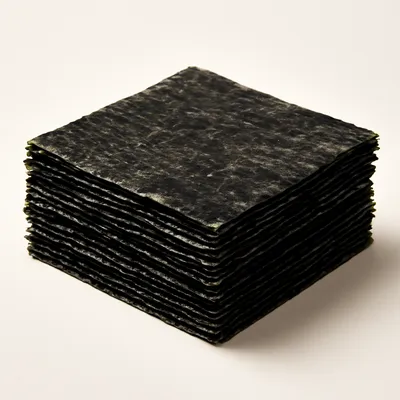
Nori is strongly hygroscopic — its dried laver sheet readily draws in water vapour. The vinegared rice is served warm and moist, so the instant it touches the nori, moisture and heat begin migrating into the seaweed; within a minute or two the brittle, glassy sheet hydrates, loses its snap and turns soft and leathery. This is precisely why temaki is rolled to order and eaten at once, rather than pre-made like cut maki. The cone geometry also helps: rice and fillings are laid along a diagonal and rolled outward into an open horn, so the bulk of each sheet's surface stays exposed and dry until the moment it is bitten, and the open top keeps the fillings loose rather than compressed.
Variations
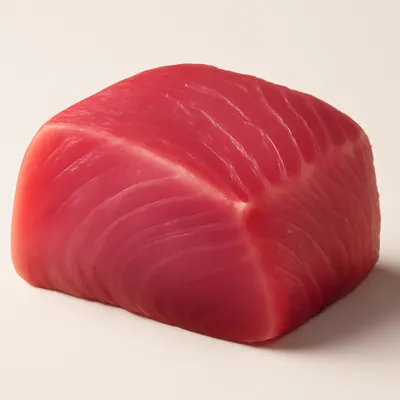
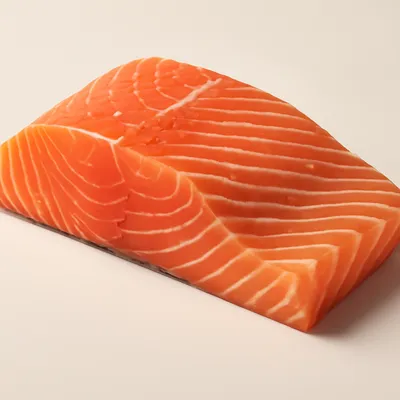
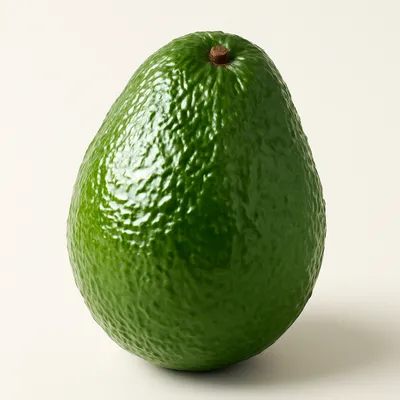
Fillings follow nigiri tradition — maguro (tuna), salmon, yellowtail, boiled prawn, ikura (salmon roe), and dashimaki tamago (rolled omelette) with cucumber. A tuna-and-wasabi roll is the tekka temaki, the hand-roll sibling of tekka-maki. Negitoro temaki pairs minced fatty tuna with spring onion; California-style hand rolls use crab or imitation crab with avocado. At home the format becomes temaki-zushi, a spread-and-roll-your-own party meal. The same open cone built on a fried-tofu-skin pouch rather than rice gives inari-style hand rolls, while gunkan-maki uses a nori band around rice to hold loose toppings like roe.
On the Palate
Where Temaki sits in the Japanese flavor cloud
Ingredients
Serves 4

How it's made
7 steps · 15 min active + 5 min waiting
- 112 min
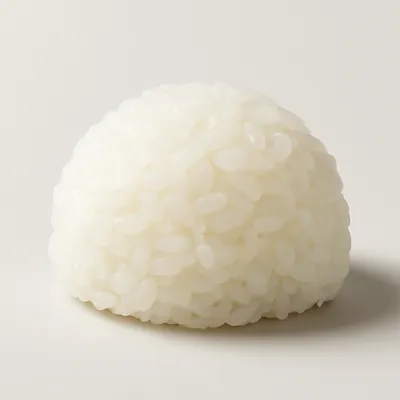
Rinse short-grain sushi rice until the water runs clear, then cook it; while still warm, fold in sushi vinegar (rice vinegar, sugar and salt) and fan it to cool to body temperature.
- 21 min
Cut full sheets of nori in half, keeping them sealed and dry until serving so they stay crisp.
Watch outKeep the nori sealed and dry until the moment you assemble — the sheet goes soft and leathery within a minute of touching warm rice, which is why temaki is rolled to order.
- 35 min
Prepare the fillings: slice raw tuna or salmon into finger-length strips, cut cucumber and avocado into batons, and have salmon roe and rolled omelette ready.
- 41 min
Lay one half-sheet of nori, rough side up, across your palm; with wet fingers spread a thin layer of rice over the left half on a diagonal.
- 51 min
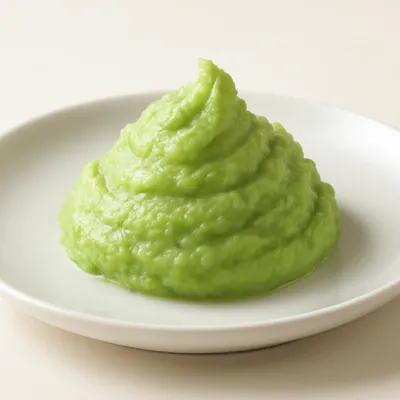
Add a small smear of wasabi, then lay the fish and vegetables diagonally across the rice toward one corner.
- 61 min
Fold the bottom corner over the fillings and roll the sheet into a cone, sealing the loose edge with a grain or two of crushed rice.
- 71 min
Eat immediately, dipping the open end lightly in soy sauce, before the nori softens.
Watch outEat it immediately, before the nori softens — that crisp snap of the seaweed is half the point of a hand roll.
Archive tool suggestions — not reviewed
These legacy suggestions have not been evidence-reviewed and are not presented as required tools.