
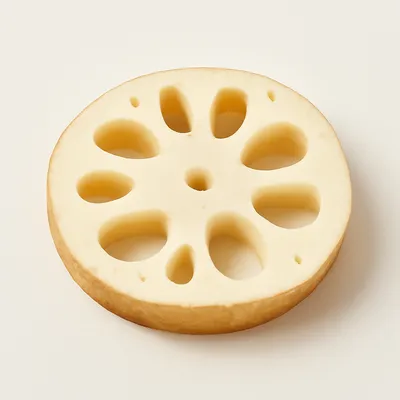
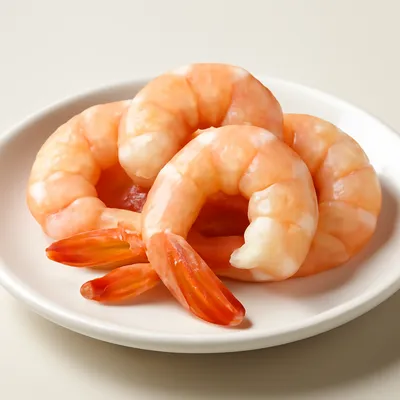
Okayama's lavish festival sushi, also called matsuri-zushi or Bizen barazushi: a wide bed of vinegared rice buried under a profusion of toppings rather than a few neat slices. Over and through the rice go raw fish such as Spanish mackerel, shrimp, octopus and conger eel, alongside cooked elements — shredded omelet, simmered lotus root, bamboo shoot, shiitake and the local vinegar-cured mamakari. The result is gorgeous and abundant, a single dish that eats like a whole spread, made for festivals, celebrations and the welcoming of guests. The course is a main.



Barazushi is the centerpiece scattered sushi of the old Bizen province around Okayama, and its popular origin is a story told everywhere it is served. In the 17th century the Okayama daimyo Ikeda Mitsumasa, a strict promoter of thrift, is said to have issued a frugality edict limiting commoners' meals to 'one soup, one dish' (ichiju-issai). Townspeople are said to have evaded the rule by mixing fish and vegetables straight into the rice so that the whole heap technically counted as a single dish, served with one bowl of soup beside it — and from that workaround the gorgeous 'one dish' of Okayama is said to have grown into barazushi. This account is widely documented as the traditional explanation rather than as established fact. The dish is recorded by the Ministry of Agriculture among Okayama's official local cuisines under the names matsuri-zushi and barazushi, and remains the standard sushi for festivals and celebrations across the prefecture.
The first impression is sheer abundance — a glossy mound where silvery fish, pink shrimp, dark conger and pale shredded egg all show at once. The vinegared rice underneath is cool and tangy, seasoned just sweet enough to carry the toppings without competing. Raw slices give clean, oily richness; the cured mamakari adds a bright vinegar sharpness; simmered lotus root brings a sweet, crisp snap and the shiitake a deep savory note. Every spoonful pulls up a slightly different mix, so the dish keeps shifting as you eat — soft rice, yielding fish, crunchy root, the perfume of vinegar and dashi running through all of it.
Barazushi is built on the same foundation as all edomae-style sushi: the rice is dressed while still warm with a blend of rice vinegar, sugar and salt, and fanned as you fold so the grains cool quickly to a glossy, separate, faintly sticky finish. The vinegar's acetic acid drops the rice's pH, which both sharpens flavor and slows spoilage — the practical reason vinegared rice keeps for a festival's length at room temperature. The toppings are deliberately split between raw and cooked: raw fish supplies inosinate and fat, while the simmered elements — lotus root, bamboo shoot and especially shiitake, rich in guanylate — are first cooked in a sweet dashi so they carry their own seasoning. Layering glutamate-rich dashi against the inosinate of the fish and the guanylate of the mushrooms stacks two umami synergies at once, which is what gives the heaped dish its deep, rounded savor despite so many disparate parts.
Variations
The classic Okayama version is the lavish festival spread of mixed raw and cooked toppings; everyday home barazushi is lighter, leaning on the cooked elements with whatever fish is to hand. Spanish mackerel is the prized raw topping in spring, and vinegar-cured mamakari is the local signature, but shrimp, octopus, conger eel, squid and crab all appear by season and occasion. Some families mix the toppings through the rice, others arrange them on top in the chirashi manner. It overlaps with broader Japanese scattered sushi — the everyday chirashi bowl and other regional barazushi — but the Okayama form is distinguished by its festival profusion and the inclusion of mamakari. The neighboring Osaka barazushi is its better-known cousin, drier and more cooked-topping-led.
On the Palate
Where Okayama Barazushi sits in the Japanese flavor cloud
Ingredients
Serves 4


How it's made
7 steps · 1 hour active + 15 min waiting
- 120 min
Cook short-grain rice firm, turn it out hot, and fold in a dressing of rice vinegar, sugar and salt while fanning until cool and glossy.
Watch outFold the vinegar dressing into the hot rice while fanning — the fanning cools it fast to a glossy, separate finish and the acid keeps it safe at room temperature for the festival.
- 218 min
Simmer sliced lotus root, bamboo shoot and shiitake in dashi with mirin and soy until tender and sweetly seasoned, then drain.
- 38 min
Make thin omelet sheets, roll and shred them into fine golden threads (kinshi tamago).
Watch outMake the omelet sheets thin and shred them fine — thick, coarse egg threads sit heavy on top instead of the delicate golden scatter this dish wants.
- 410 min
Slice Spanish mackerel and other raw fish; cook and peel the shrimp; have the vinegar-cured mamakari ready.
- 57 min
Fold the cooled simmered vegetables and some of the egg through the sushi rice and spread it in a wide, shallow bowl.
- 67 min
Arrange the raw fish, shrimp, mamakari and remaining toppings generously over the surface.
- 75 min
Scatter the rest of the shredded egg and any garnish on top and serve at room temperature.
Archive tool suggestions — not reviewed
These legacy suggestions have not been evidence-reviewed and are not presented as required tools.


