
Tekone-zushi is a scattered-style sushi from the Ise-Shima coast of Mie Prefecture, in which slices of red-fleshed fish—classically skipjack tuna or bluefin tuna—are marinated briefly in a sweet soy sauce, then tossed by hand through warm vinegared rice. The name means 'hand-kneaded': the fish and shari are mixed together rather than pressed into individual pieces. It is finished with shredded nori, shiso or myoga, pickled ginger and sesame, and eaten from a bowl. Unlike chirashi, where toppings are arranged on top of the rice, here the marinated fish is folded through the whole bowl so every bite carries it.
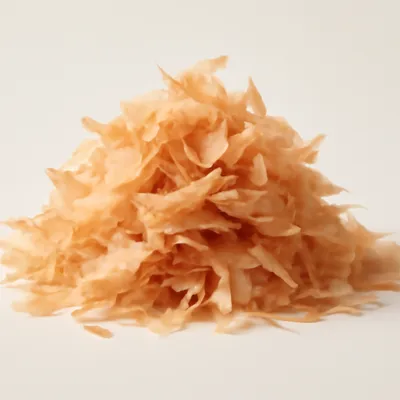


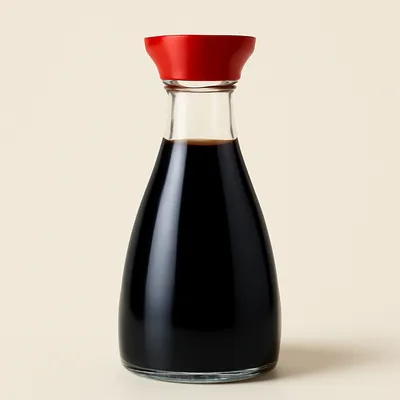

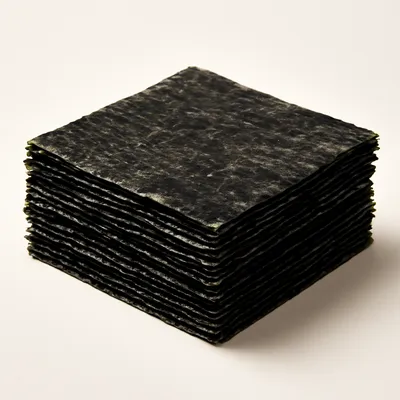
Tekone-zushi originated among the fishermen of Ise-Shima as a quick shipboard meal: crews of the bonito boats are said to have sliced their fresh catch on deck, dunked it in soy sauce and tossed it by hand into vinegared rice so it could be eaten fast and would keep through a working day. The marinade and vinegared rice both helped the fish hold in the absence of refrigeration. It is recognized as a local home-cooking tradition (kyodo-ryori) of Mie and is closely tied to the Ise area; the precise date of origin is not documented. The dish gained wider recognition through Ise tourism and is now served at restaurants around the Ise Grand Shrine.
The fish is glossy and soy-dark, just firm at the edges from the marinade but still tender and cool inside, and it carries a sweet-savory depth into the warm, faintly sour rice beneath. Skipjack brings a clean, slightly metallic richness; the shiso and myoga cut through with a green, herbal sharpness, and the nori adds toasted sea-salt aroma. A good bowl is balanced—the marinade present but not drowning the rice—while an over-soaked one turns salty and the fish goes mealy.
The short soy-mirin marinade does two things: the salt draws a little moisture from the fish surface and firms it slightly, while sugar and amino acids season the flesh and add a savory gloss. Tossing the fish through the rice while the shari is still warm lets the marinade and the rice vinegar meld, and the warm rice releases more aroma than cold sushi rice would. The vinegared shari itself is seasoned with rice vinegar, sugar and salt and cut with a slicing motion to keep the grains separate and glossy. Because nothing is pressed, the dish depends entirely on the fish being fresh and cut cleanly across the grain.
Variations
Skipjack (katsuo) is the most traditional fish, but bluefin or yellowfin tuna, and sometimes other red-fleshed fish, are used. Some cooks marinate the fish longer for a firmer, more pickled bite (zuke-style); others add a raw egg yolk on top. Garnishes vary with the season—shiso, myoga, sansho leaf, toasted nori, sesame, or grated ginger—and a dashi can be poured over the leftovers to finish it as a chazuke.
On the Palate
Where Tekone-zushi sits in the Japanese flavor cloud
Ingredients
Serves 2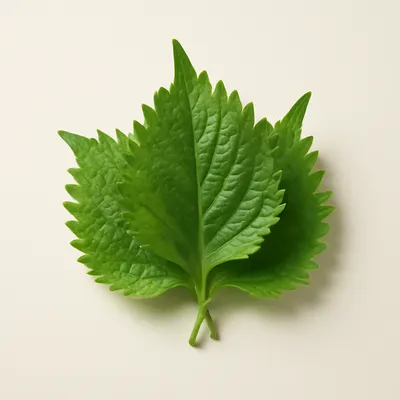


How it's made
5 steps · 25 min active + 15 min waiting
- 135 min
Rinse short-grain rice until the water runs clear, cook it, and while hot fold through a seasoning of rice vinegar, sugar and salt; let it cool to warm.
Watch outFold the vinegar seasoning through the rice while it's still hot — warm shari lets the vinegar meld and releases more aroma than cold rice would.
- 28 min
Slice skipjack or tuna across the grain into bite-sized pieces about 5 mm thick.
- 312 min
Mix soy sauce, mirin and a little grated ginger, and marinate the fish in it for 10–15 minutes.
- 44 min
Drain the fish lightly, then toss it by hand through the warm vinegared rice with a little of the marinade.
Watch outToss the fish through by hand and eat soon — nothing is pressed, so the whole dish rides on very fresh fish cleanly cut; it doesn't keep.
- 53 min
Serve in bowls topped with shredded nori, shiso or myoga, pickled ginger and toasted sesame.
Archive tool suggestions — not reviewed
These legacy suggestions have not been evidence-reviewed and are not presented as required tools.


