Dorome is a Kochi (Tosa) delicacy of raw, just-caught whitebait — the translucent juvenile fry of sardine and anchovy (maiwashi, urumeiwashi and katakuchi-iwashi), the last of which is prized as the finest grade. Because the tiny fish spoil within hours, dorome is a coastal dish eaten near the boats at the peak of freshness, classically from spring into early summer when the first bonito run. It is dressed simply: with Tosa-nuta, a vinegared miso pounded with leaf-garlic (ha-ninniku), or eaten with grated ginger, scallion and ponzu. Above all it is sake food — the signature snack of Kochi's hard-drinking izakaya culture, and the namesake of the Dorome Festival at Akaoka, where competitors race to drain oversized cups of local sake.





Dorome is the local name in Kochi for the raw fry of several sardine species — chiefly Japanese pilchard and round herring, with anchovy fry considered the choicest — and it ranks among the prefecture's representative seafood delicacies, tied to its long Pacific coastline and its reputation as Japan's heartland of heavy drinking. Its profile rose with the Tosa-Akaoka Dorome Festival in the former Akaoka town (now Konan City), launched in 1959 by the third-generation head of a local sake brewery to promote dorome as a regional draw. From the third festival in 1962 the event added its famous masu-draining contest, in which men down 1.8 litres of sake and women 0.9 litres, judged not only on speed but on the grace of the drinking.
Cold, glistening and barely holding together, the fry slip across the tongue with a soft, faintly granular give and a clean note of the sea — sweet rather than fishy when truly fresh, with the faintest bitter whisper from the threadlike guts. The leaf-garlic nuta lands sharp and sweet-sour at once, its miso clinging in a thick coat that the vinegar cuts clean; the ginger-ponzu version is brighter and looser, all citrus lift and scallion bite. Either way the dish is built to be chased by a cold mouthful of dry Tosa sake.
Whitebait is eaten raw because heat would instantly collapse fish this small to mush; freshness is everything, since the fry carry a full load of digestive enzymes and bacteria that turn them soft and bitter within hours of landing, which is why the dish lives at the water's edge. The dressing does the work that cooking would otherwise do. Tosa-nuta is a loose emulsion of miso, rice vinegar and sugar pounded with leaf-garlic: the vinegar's acid both brightens and lightly firms the surface proteins of the fish, the miso supplies a deep glutamate savoriness, and the garlic's allyl compounds mask any residual fishiness. The fry's own sweetness comes from free amino acids and the inosinic acid of very fresh fish, so the sourer, saltier dressing reads as balance rather than disguise.
Variations
The two standard dressings are Tosa-nuta (leaf-garlic vinegared miso) and a simple grated-ginger-and-ponzu, sometimes with just scallion and soy. The same nuta is poured over yellowtail, mahi-mahi, tofu or konnyaku, making it a Kochi table staple in its own right. A close cousin on Kochi menus is noresore, the transparent leptocephalus (young conger eel), eaten raw the same way with ponzu. Grade matters: anchovy fry is the connoisseur's choice, while mixed sardine fry is the everyday version sold by the pack.
On the Palate
Where Dorome sits in the Japanese flavor cloud
Ingredients
Serves 2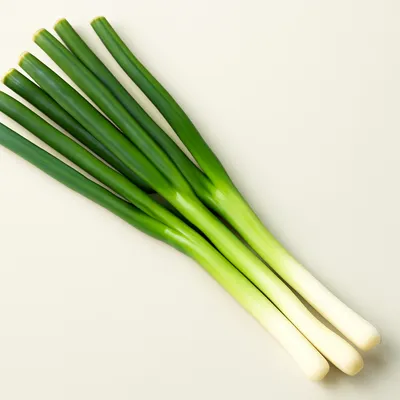

How it's made
5 steps · 15 min
- 14 min
Rinse very fresh whitebait gently in chilled, lightly salted water and drain on a cloth; keep cold throughout.
Watch outRinse the whitebait briefly in chilled salted water and keep everything cold throughout, since these tiny fry carry enzymes that turn them soft and bitter within hours; only glass-fresh fish can be eaten raw.
- 26 min
For Tosa-nuta, pound or grind leaf-garlic to a paste, then work in white miso, rice vinegar and a little sugar to a thick, pourable dressing.
Watch outWork the miso, vinegar and sugar into the pounded leaf-garlic to a thick pourable dressing, where the vinegar's acid does the job of cooking, lightly firming the raw fish's surface.
- 31 min
Pile the drained fry onto a chilled dish.
- 43 min
Serve with the nuta on the side, or top with grated ginger and scallion and pour over ponzu just before eating.
- 51 min
Eat immediately, alongside cold dry Tosa sake.
Archive tool suggestions — not reviewed
These legacy suggestions have not been evidence-reviewed and are not presented as required tools.