Shirasu-don is a donburi heaped with shirasu — the tiny, translucent larvae of sardines (and sometimes anchovies), eaten whole. It comes in two forms: nama-shirasu, the raw catch, glassy and silvery; and kama-age shirasu, the same fish briefly boiled in salted water until opaque, soft and fluffy. The shirasu are mounded over warm rice and finished with grated ginger, sliced scallion, torn nori, shiso, and often a raw egg yolk in the center, then seasoned with soy sauce or a sweet-salty tare. It is the signature coastal donburi of the Shonan coast (Enoshima, Kamakura, Chigasaki in Kanagawa) and of Shizuoka along Suruga Bay. The course is a main.




Shirasu (whitebait) fishing has long been a staple of the warm, shallow coastal waters of Sagami Bay off Shonan and Suruga Bay off Shizuoka, and shirasu over rice is best understood as a fishing-port dish rather than the invention of any one shop or date. Historically the catch was processed into dried shirasu-boshi for keeping; the raw nama-shirasu and lightly boiled kama-age forms became widely sold as eaten-fresh dishes only with the spread of kettle-boiling and refrigeration. Because raw shirasu spoils within hours, nama-shirasu-don is essentially limited to the landing areas and to days when boats go out — in Kanagawa, shirasu fishing is closed each year from 1 January to around 10 March, so the raw bowl is a seasonal, place-bound specialty rather than a year-round dish.
Raw nama-shirasu is a cool, slippery, faintly briny mouthful — the bodies dissolve almost at once, leaving a clean sweetness and a whisper of bitterness from the tiny dark eyes. Boiled kama-age is warmer, softer and fluffier, milder and gently saline. Either way the egg yolk slicks the rice, the ginger and scallion cut any fishiness, and the nori adds a marine snap. Fresh raw shirasu should taste of clean seawater; an ammonia edge or mushy slack texture means it is past its same-day window.
Shirasu are eaten whole, so the dish is really about freshness and salt rather than cooking. Their savor comes from free amino acids — glutamate plus the nucleotide inosinate concentrated in the small fish — which together read as deep umami; soy sauce adds yet more glutamate, compounding it. Raw shirasu degrades fast because the gut enzymes of these tiny whole fish keep digesting the flesh after death (autolysis) and surface bacteria multiply, which is why it is a same-day, dockside food. Kama-age boiling denatures those proteins and halts the enzymes, setting the flesh opaque and extending its life by a day or two, at the cost of the raw version's glassy texture. The raw egg yolk works as an emulsion: its lecithin coats each grain and binds the soy and oils into a smooth, rich slick.
Variations
The two base forms are the raw nama-shirasu-don and the boiled kama-age shirasu-don; some shops offer a half-and-half bowl of both. Shirasu also tops a two-color don with raw tuna or salmon roe, and along the coast it is folded into shirasu omelets, shirasu toast and pizza, or paired with grated daikon as a small side. Shizuoka's Suruga Bay and Shonan each claim particularly prized landings; Shonan bowls lean on ginger, shiso and nori, while plain kama-age over rice with a little soy is a common home version.
On the Palate
Where Shirasu-don sits in the Japanese flavor cloud
Ingredients
Serves 1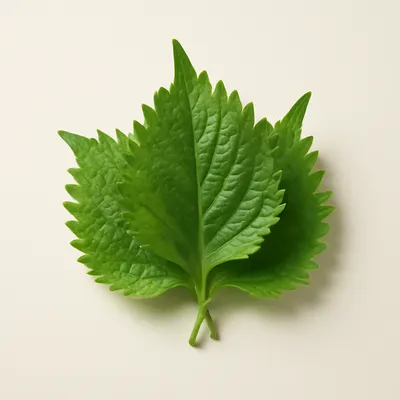

How it's made
7 steps · 10 min
- 15 min
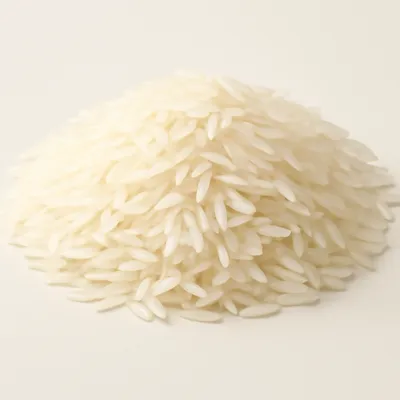
Cook short-grain rice and keep it warm; for nama-shirasu, use the freshest same-day raw catch, and for kama-age, briefly boil raw shirasu in lightly salted water until opaque, then drain and cool.
Watch outFor kama-age, boil the raw shirasu only briefly, just until opaque — a few seconds past and the tiny fish toughen and lose their delicate softness.
- 22 min
Rinse raw nama-shirasu very gently in cold salted water if needed and drain well on a sieve, handling as little as possible.
- 33 min
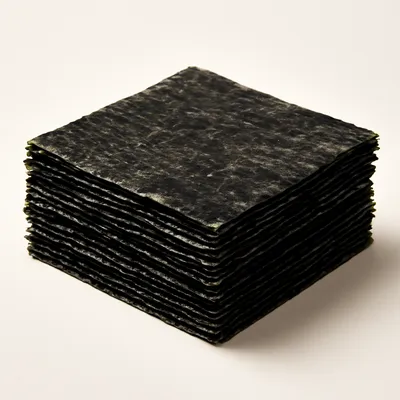
Prepare the garnishes: grate fresh ginger, slice scallions thinly, shred or tear nori, and chiffonade a shiso leaf.
- 41 min
Mound the warm rice in a bowl and spread the shirasu evenly over the top.
- 51 min
Make a small well in the center and slip in a raw egg yolk.
- 61 min
Scatter the ginger, scallion, shiso and nori around the yolk.
- 71 min
Drizzle with soy sauce or a sweet-salty tare to taste, and serve at once while the rice is hot and the shirasu cold.
Watch outServe at once with the rice hot and the shirasu cold — the contrast is the point, and raw shirasu degrades fast, so it's a same-day dish.
Archive tool suggestions — not reviewed
These legacy suggestions have not been evidence-reviewed and are not presented as required tools.